

Looking for a clean, cruelty-free way to boost recovery and build muscle? Vegan BCAA supplements work—but only if you pick the right ones.
The problem: Most conventional BCAAs come from animal by-products like duck feathers. Even some “vegan” labels cut corners with fillers.
I’ve done the work. I’m Hossein Mardali, certified fitness coach with 6+ years experience coaching plant-based athletes. I’ve tested these supplements myself and tracked real client results.
Quick Answer: Are BCAAs Vegan?
Yes, but not all. Traditional BCAAs come from duck feathers. Vegan BCAAs are fermented from corn or tapioca. Look for “100% vegan” or “fermented” on the label.
Who Is This For?
- 🌱 Plant-based athletes training 3-6x/week
- 🏃 Runners doing fasted cardio
- 🏋️ Lifters wanting recovery without animal products
- 👩 Women in strength training – read more here.
- ❓ Anyone wondering “should vegans take BCAAs?”
👉 Let’s find your match.
Table of contents
- What Makes a BCAA Supplement Vegan?
- Top Vegan BCAA Powders for 2026
- Top Vegan BCAA Capsules for 2026
- Vegan BCAA Tablets: What to Know
- Powder vs. Capsules vs. Tablets: Which Is Best?
- When and How to Take Vegan BCAAs
- 4 Tips for Choosing the Right Vegan BCAA
- Vegan BCAA: Frequently Asked Questions
- Final Verdict: Are Vegan BCAAs Worth It?
What Makes a BCAA Supplement Vegan?
Not all BCAAs are vegan—even if the label doesn’t scream “animal-based.” What makes a BCAA vegan is the source of the amino acids.

Most conventional BCAAs come from duck feathers, chicken feathers, or even human hair (yes, really).
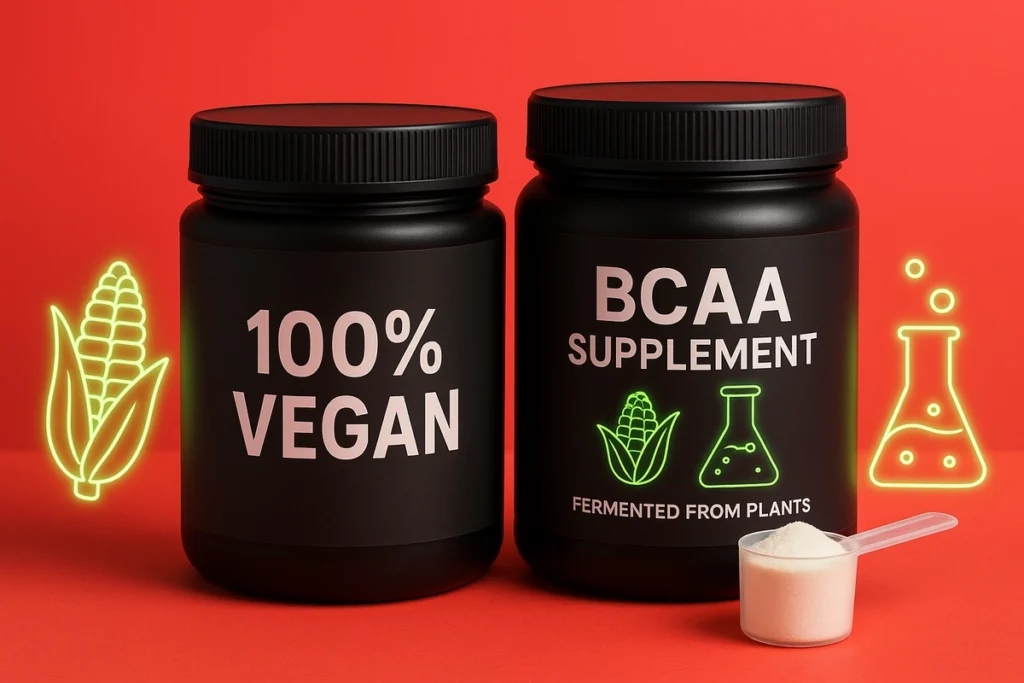
Vegan BCAAs are fermented from corn, tapioca, or other plants—no animals involved, just clean, pure amino acids.
They’re just as effective as the non-vegan versions, and many people find them easier to digest with less bloating.
✅ Do Look For:
- 100% vegan or plant-based on the label
- Fermented in the ingredients or product description
- Third-party testing (NSF, Informed Sport, or similar)
❌ Avoid If You See:
- Gelatin (common in capsules)
- No source listed (assume animal-derived)
- Natural flavors without clarification (can hide animal derivatives)
- Artificial dyes and fillers (irritate digestion)
When in doubt, message the brand. Ask: “Where do you source your amino acids?” If they can’t answer clearly, move on.
Top Vegan BCAA Powders for 2026
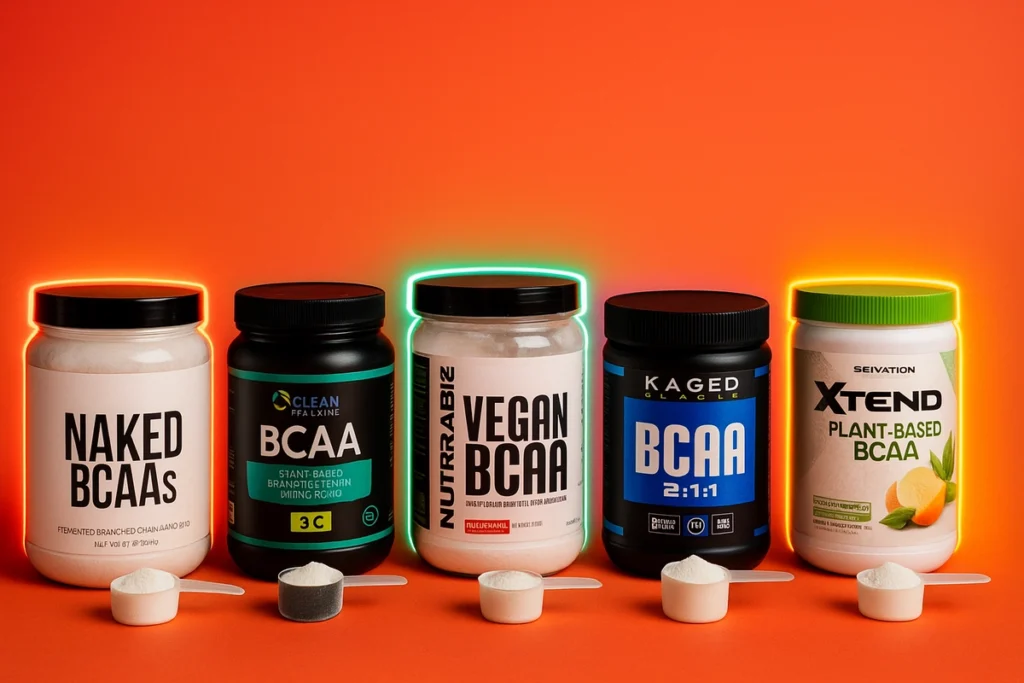
Why powders? They deliver clinically effective doses and mix easily during workouts.
Product | Key Feature | Best For |
|---|---|---|
Naked BCAAs | 100% fermented, 2:1:1 ratio, zero junk | Cleanest overall |
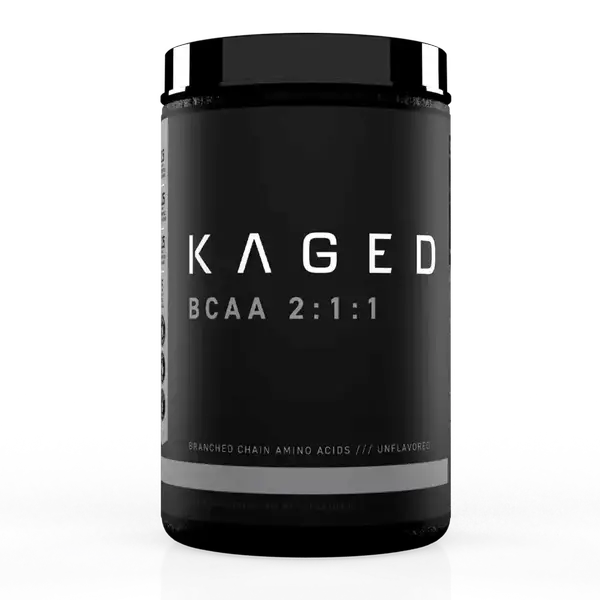
Kaged BCAA 2:1:1 | Plant-fermented, no fillers | Performance focus |
Scivation Xtend Plant-Based | +Electrolytes, great flavors | Intra-workout hydration |
Truth Nutrition | 3:1:1 leucine-heavy, organic | Max muscle synthesis |
USN Power Punch | +Vitamin B6, zero sugar | Flavored functional option |
⭐ Detailed Breakdown:
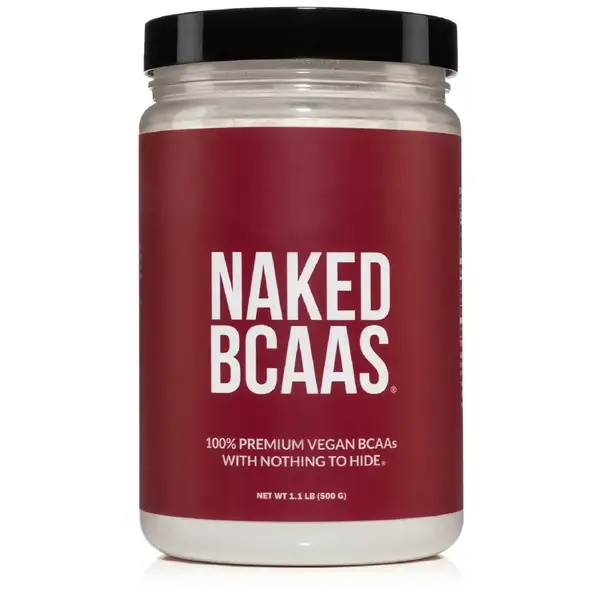
1. Naked BCAAs
👉 Considered one of the cleanest vegan BCAA powders available.
- 100% plant-based fermented BCAAs
- Minimal ingredients (BCAAs + sunflower lecithin)
- Certified vegan, gluten-free, non-GMO
- Classic 2:1:1 ratio
2. Kaged BCAA 2:1:1
👉 Strong performance-focused formula.
- Plant-fermented BCAAs
- 5g per serving
- No fillers or artificial sweeteners
- High purity standards
3. Scivation Xtend Plant-Based BCAA
👉 Popular among athletes for intra-workout hydration + recovery.
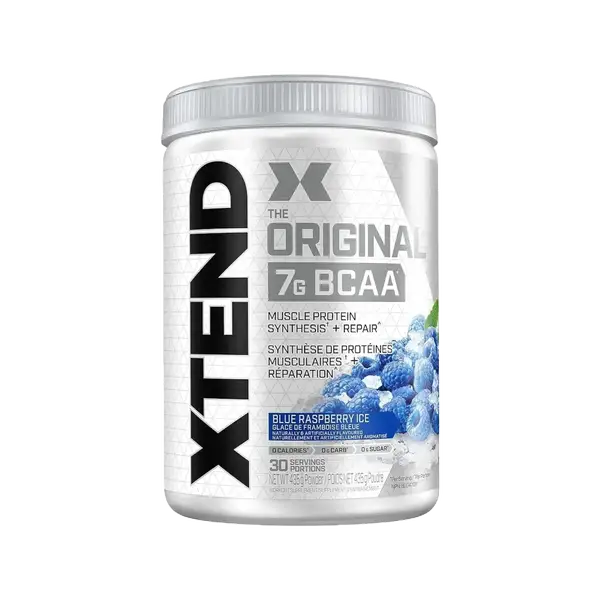
- Vegan version of the classic Xtend
- Includes electrolytes
- Multiple flavor options
4. Truth Nutrition Plant-Based BCAA Powder
👉 Good option if you want higher leucine for muscle protein synthesis.
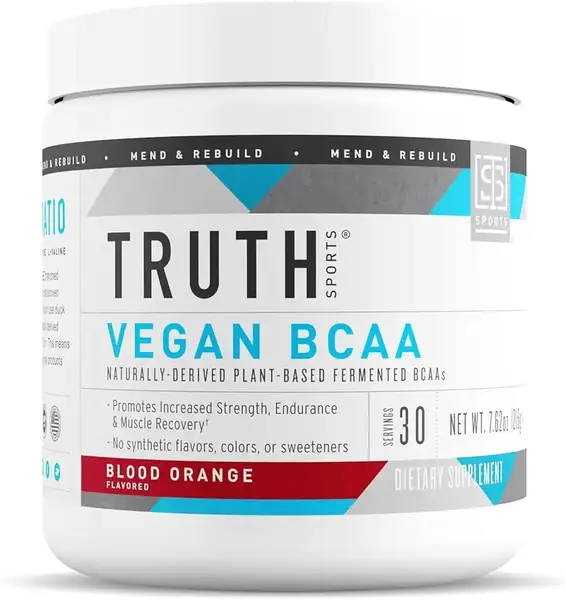
- Organic fermented amino acids
- 3:1:1 leucine-heavy ratio
- No artificial ingredients
5. USN Power Punch BCAA Amino Powder
👉 Good flavored functional option.

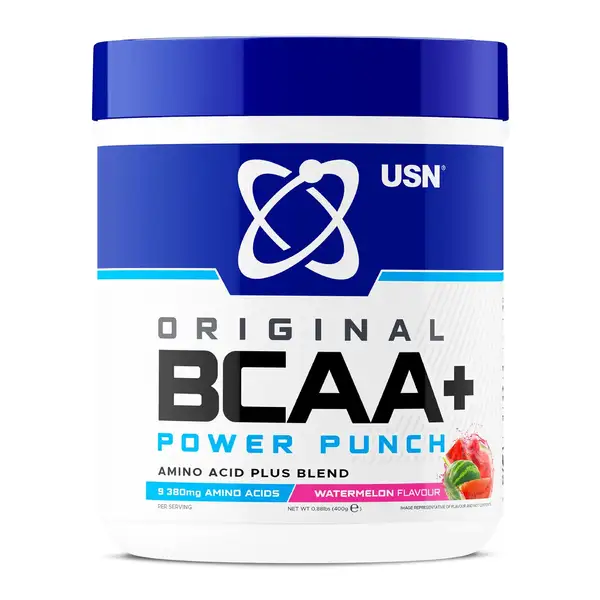
- Vegan-friendly formula
- Includes vitamin B6
- Zero sugar, easy mixing
Top Vegan BCAA Capsules for 2026

Why capsules? Portable, convenient, no mixing required—but expect to take multiple pills per dose.
Product | Key Feature | Best For |
|---|---|---|
Pure Encapsulations | Plant cellulose capsules | Clinical-grade quality |
Nutravita | +B6 +B12, vegan shell | Daily recovery |
AlpenPower | Fermented, European formulation | Clean ingredients |
Mother Nature | Minimalist, HPMC capsules | Simple & straightforward |
Double Wood | EAA + BCAA blend | Full amino profile |
⭐ Detailed Breakdown:
1. Pure Encapsulations BCAA Capsules
👉 One of the most reputable clinical-grade capsule options.
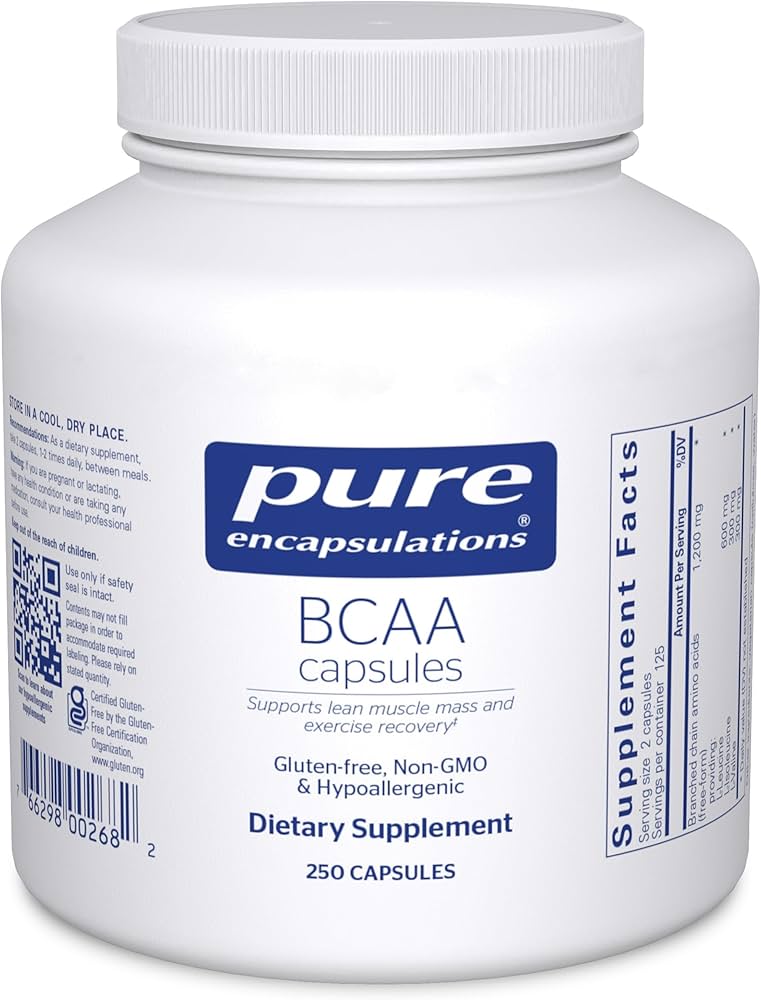
- Capsules made from plant cellulose
- Clean formula with only BCAAs
- Independently tested for quality
2. Nutravita BCAA 2:1:1 Vegan Capsules
👉 Popular for daily recovery support.
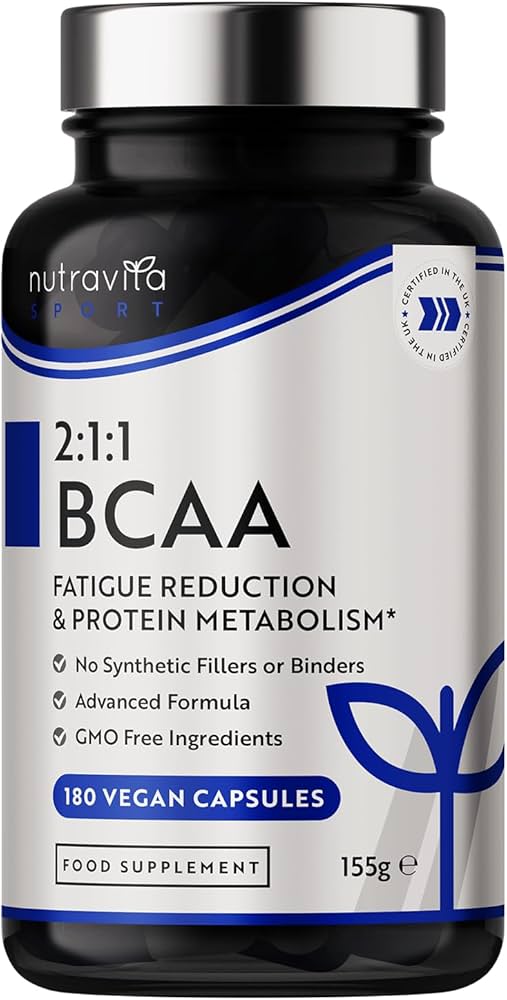
- Vegan capsule shell
- Added vitamin B6 + B12
- GMP-manufactured and lab tested
3. AlpenPower BCAA 2:1:1 Capsules
👉 Clean European-style formulation.
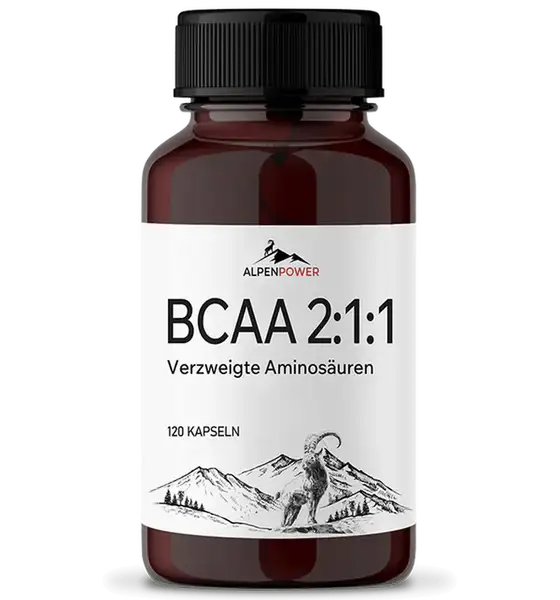
- Fermented plant-derived BCAAs
- Free from lactose, GMOs, and additives
4. Mother Nature BCAA 2:1:1 Vegan Capsules
👉 Minimalist ingredient list.
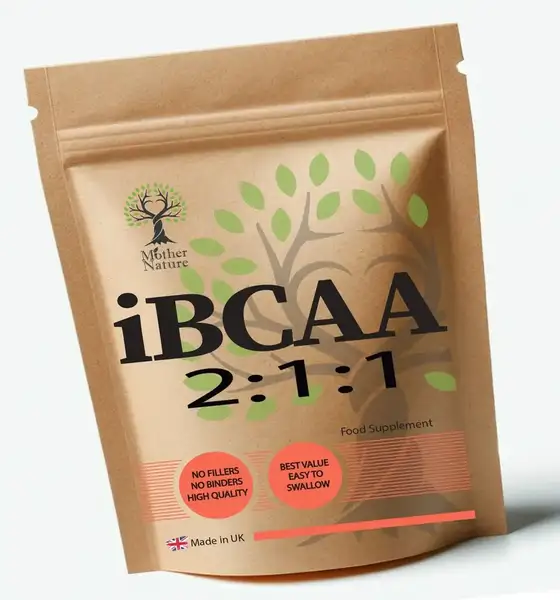
- Simple formula
- 500mg BCAAs per capsule
- HPMC vegan capsule shell
5. Double Wood Essential Amino Capsules
👉 Useful if someone prefers full essential amino profile instead of BCAA-only.
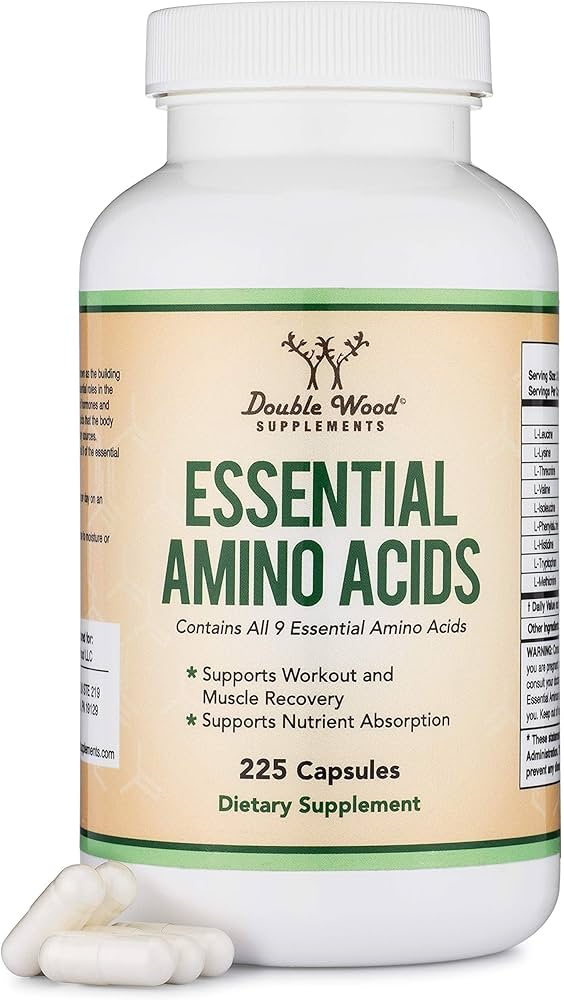
- EAA + BCAA blend
- Fully vegan
Vegan BCAA Tablets: What to Know

⚠️ True vegan BCAA tablets are rare—here’s why.
BCAAs require clinically effective doses of 5-10g. In tablet form, that means swallowing 10-20 large pills per serving.
Most manufacturers skip tablets entirely or market compressed capsules as “tablets”. If you find a legit fermented BCAA tablet, check the serving size—if it’s 2-3 tablets for a full dose, something doesn’t add up.
My advice: Stick with powders for effectiveness or capsules for convenience. Tablets sound appealing but usually mean either ineffective dosing or unrealistic pill counts.
Unless you find a rare fermented option verified by third-party testing, capsules do the same job better with fewer swallowing headaches.
Powder vs. Capsules vs. Tablets: Which Is Best?
Format | Pros | Cons | Best For |
|---|---|---|---|
Powder | ✅ Effective dosing ✅ Mixes in water ✅ Cost-effective | ❌ Requires shaker ❌ Less portable | Most athletes |
Capsules | ✅ Portable ✅ Convenient ✅ No taste | ❌ Many pills needed ❌ Higher cost | Travel, convenience |
Tablets | ✅ Novelty | ❌ Rare ❌ Impractical doses ❌ Hard to swallow | Niche only |
- Powder – The gold standard. Powders deliver clinically effective doses without breaking the bank. They mix easily during workouts and let you customize serving size. If you train seriously, this is your format.
- Capsules – Solid for travel, not for main dose. Capsules work when you’re on the go, but expect to swallow 4-6 pills per serving. Keep them in your bag for backup—not as your daily driver.
- Tablets – Skip these. True BCAA tablets are extremely rare because effective doses would require horse-pill sizes. If you see tablets, check the serving size—likely underdosed. Capsules do the same job better.
Should Vegans Take BCAAs? A Coach’s Answer
Yes—if you train hard, train fasted, or struggle with recovery.

Quick Decision Guide:
✅ Take BCAAs If… | ❌ Skip BCAAs If… |
|---|---|
You train fasted | You eat enough complete protein |
Recovery is slow | You’re on a tight budget |
You’re cutting calories | You already take EAAs |
You train twice daily | Your protein intake is high |
Why Vegans Benefit Most
Plant proteins lack leucine—the BCAA that triggers muscle growth.
Vegan BCAAs fill this gap exactly when muscles need it: around workouts, during cuts, and on fasted training days.
Think of them as insurance—not a replacement for food.
5 Signs You Need Them
- You train fasted – Prevents muscle breakdown until you eat.
- Recovery takes forever – Leucine speeds repair.
- You’re cutting weight – Preserves muscle on fewer calories.
- You train twice daily – Faster turnaround between sessions.
- Protein intake is borderline – Under 100g/day (male) or 80g (female)? BCAAs bridge gaps.
3 Times to Skip
- Diet is dialed – 1.6g–2.2g protein per kg body weight? You’re covered.
- You take EAAs – EAAs already include BCAAs.
- Training is casual – 2x/week gym-goer? Save your money.
Do Vegan BCAAs Really Work?
Yes—molecule is identical. Fermented corn vs. duck feathers? Your body sees the same 2:1:1 aminos.
Only difference: source ethics + digestion. Vegan = cleaner, no bloating.
Emily (vegan CrossFit athlete) struggled with DOMS. After adding BCAAs:
- ⬇️ Soreness dropped within 2 weeks
- ⬆️ Back-to-back training became possible
- 😊 No digestive issues
When and How to Take Vegan BCAAs
Timing matters—especially if you want maximum performance and recovery.
Here’s what I recommend:
- Fasted training? Take 5g BCAAs before your session. I detail this further in my guide on BCAAs for Fasted Cardio and Fat Loss.
- Long or intense workouts? Sip 7–10g during your workout.
- Heavy lifting days? Use it post-workout if your next meal is delayed.
That’s exactly what I do. On leg days, I mix 10g of BCAAs into 500 ml of water and sip it between sets. It keeps me going without needing a full meal mid-session.
To understand what works best for your schedule, read this full comparison on BCAA timing: before vs after workout.
Also, if you’re training less often, check this guide on BCAA use on rest days.
And if you’re confused about whether to take BCAAs with food or on an empty stomach, see this helpful guide.
Are BCAAs Vegan? What Plant-Based Athletes Need to Know
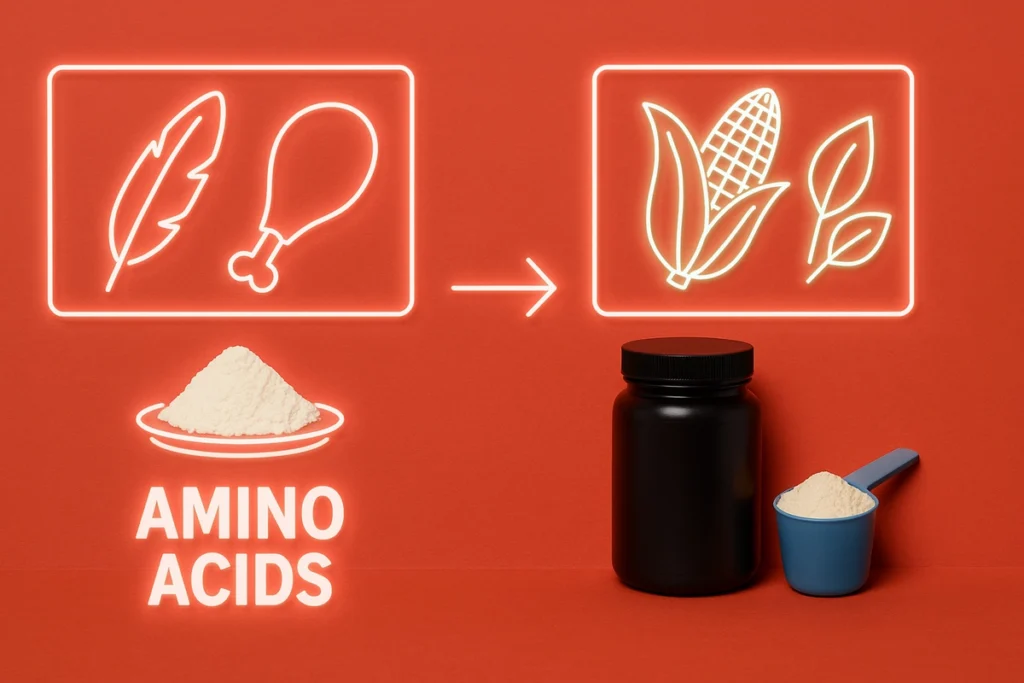
Short answer: Not always—but they can be. Here’s how to tell the difference.
Traditional BCAAs: Not Vegan-Friendly
Most conventional BCAA supplements are made from animal by-products, including:
- Duck feathers
- Chicken feathers
- Human hair (yes, really)
- Animal hooves
These sources are cheap for manufacturers but not cruelty-free.
Vegan BCAAs: Clean & Plant-Based
Vegan BCAAs are typically fermented from corn, tapioca, or other plant sources. The process creates identical amino acids—without the animals.
Look for:
- “100% vegan” or “plant-based” on the label
- Amino acids sourced from fermentation
- No gelatin, dairy, or animal derivatives
Quick Checklist: Is Your BCAA Vegan?
- Does the label say “100% vegan”?
- Are aminos sourced from fermentation (corn, tapioca)?
- Is the brand transparent about ingredients?
- Does it avoid gelatin, collagen, or animal derivatives?
If you checked all boxes—you’re good to go.
The Bottom Line
Question | Answer |
|---|---|
Are BCAAs vegan by default? | ❌ No |
Can BCAAs be vegan? | ✅ Yes—if fermented from plants |
How do I know for sure? | Look for “vegan certified” or fermented sources |
Verdict: Vegans can take BCAAs—just choose fermented, plant-based options.
Vegan BCAA Food Sources vs. Supplements
Factor | Whole Foods | BCAA Supplements |
|---|---|---|
Nutrient profile | Full spectrum (fiber, vitamins, minerals) | Just 3 amino acids |
Digestion speed | Slower, sustained release | Fast, immediate |
Around workouts | Can sit heavy | Light, easy |
Cost | Part of normal diet | Extra expense |
Convenience | Requires prep | Mix and drink |
Satiety | Filling | No fullness |
You can get BCAAs from plants—but supplements help around workouts.
For a deeper dive into how BCAAs compare to your daily protein shake, check out my guide on BCAAs vs. Protein Powder.
Top Vegan BCAA Food Sources
BCAAs (leucine, isoleucine, valine) are found in many plant foods. Here’s where to get them:
Food | BCAA Content | Best For |
|---|---|---|
Soy products (tofu, tempeh, edamame) | High in all 3 BCAAs | Complete protein source |
Pumpkin seeds | Rich in leucine | Snacking, salads |
Lentils | Good balance of all 3 | Meals, soups |
Chickpeas | Solid BCAA profile | Curries, hummus |
Quinoa | Complete protein | Grain bowls, sides |
Peanuts/Peanut butter | Leucine-rich | Quick snacks |
Almonds | Valine source | On-the-go |
Brown rice | Isoleucine content | Base for meals |
Kidney beans | Balanced aminos | Chili, rice dishes |
Sunflower seeds | Leucine + valine | Toppings, snacks |
Sample Vegan BCAA Meal Ideas
- Breakfast: Tofu scramble + spinach + whole grain toast
- Lunch: Quinoa bowl with chickpeas + pumpkin seeds
- Dinner: Lentil curry with brown rice
- Snack: Apple with peanut butter + sunflower seeds
When Food Isn’t Enough: Why Supplements Help
Even with a solid plant-based diet, supplements fill specific gaps:
Situation | Why BCAAs Help |
|---|---|
Fasted training | Prevent muscle breakdown when training on empty |
Intra-workout | Quick fuel during long sessions (food sits too heavy) |
Between meals | Fast amino delivery without full meal digestion |
High volume training | Extra support when food alone isn’t enough |
Immediate post-workout | Faster than waiting to get home and cook |
4 Tips for Choosing the Right Vegan BCAA
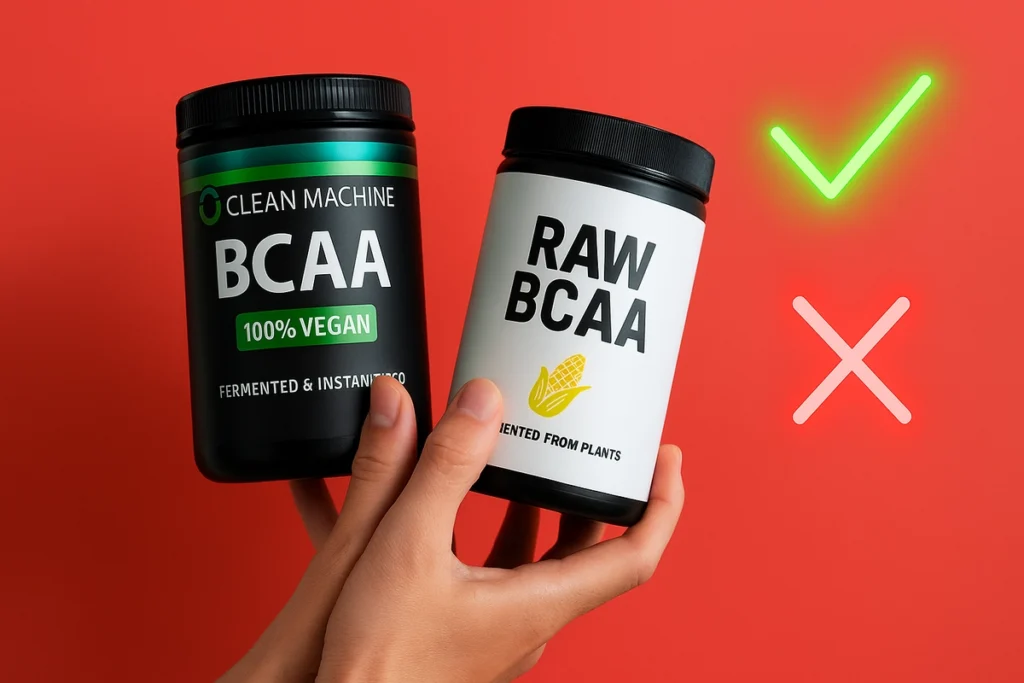
When shopping, I suggest you keep it simple and clean. Prioritize:
- Fermented plant-based aminos
- No artificial dyes or sweeteners
- Flavors you can actually drink daily
- Transparent labeling and third-party testing
Personally, I avoid artificial flavors like the plague. If I can’t pronounce it, I don’t drink it.
Some brands also use fillers that mess with your gut—so if you’ve had digestion issues with other BCAAs, check out this mixability guide.
Also—be aware of your dosage. Overdoing BCAAs won’t help, and can even backfire. See this article on BCAA overdose and side effects.
Vegan BCAA: Frequently Asked Questions
No. Most conventional BCAAs come from animal by-products like duck feathers. Look for “fermented” on the label or a certified vegan seal.
Yes, if you eat enough protein and variety. Soy, pumpkin seeds, lentils, and quinoa are all rich in BCAAs. Supplements help around workouts when you need fast amino delivery.
The source, not the structure. Vegan BCAAs are fermented from plants. Regular BCAAs come from animal proteins. The amino acids themselves are identical.
5g before fasted training, 7-10g during long or intense workouts, or 5-10g after if your next meal is delayed.
Take them before or during fasted cardio, sip throughout intense workouts, or between meals for a quick amino boost.
Unflavored ones taste slightly bitter. Flavored options use stevia or natural sweeteners. Capsules have no taste at all.
You can, but you don’t need to. Whole food protein sources are better if you’re sedentary.
Yes. Fermentation ensures plant sourcing and often makes them easier to digest with less bloating.
7-10 capsules equal a 5g powder serving. This is why powders are more practical for daily use.
Yes. They stack well with creatine, plant protein, EAAs, and electrolytes.
Yes. They contain calories and trigger an insulin response, so they break a true fast.
Rare. Some people get mild bloating from low-quality brands. Stick to 5-10g per serving and avoid megadosing.
Naked BCAAs for purity and value, or Scivation Xtend Plant-Based for great taste and electrolytes.
Absolutely. BCAAs work the same regardless of gender.
Not always. BCAAs are still useful during workouts when protein powder sits too heavy, or for fasted training.
For a full breakdown of all your options, see our complete guide on EAAs vs. BCAAs vs. Protein.
⚡ Need a Faster Answer?
Here are the most common questions answered in one glance:
Question | Answer |
|---|---|
Are BCAAs vegan? | Not always—check for “fermented” or vegan seal |
Do I need them? | Yes if you train hard or fasted. No if sedentary |
Powders or pills? | Powders win for results, capsules for travel |
Work with fasting? | No—they break a true fast |
Worth the money? | For athletes, absolutely yes |
Still Have Questions? Leave your question in the comments—I’ll reply within 24 hours.
Final Verdict: Are Vegan BCAAs Worth It?
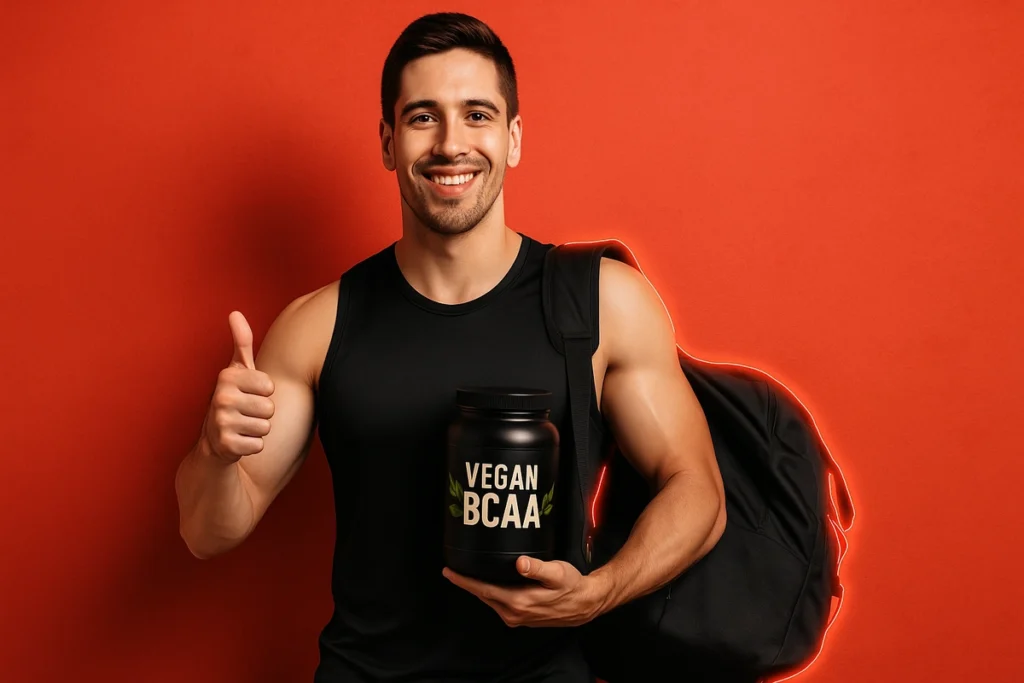
If you’re eating a mostly plant-based diet, training intensely, or doing fasted workouts, vegan BCAAs are absolutely worth it.
They won’t replace real food, but they will fill in the gaps and keep your training sharp—without compromising your ethics or digestion.
For me and many of my clients, vegan BCAAs have become a staple. They’re not just a trendy label—they’re a smart, effective, and clean way to support muscle and recovery, especially in a plant-powered lifestyle.
If you’re a runner, check out how BCAAs can help endurance athletes push further with less fatigue.
Stay strong. Stay fueled. Train smart.
Leave a Reply