


Soreness, slow results, and stubborn fat during a cut can make strength training feel like an uphill battle — especially for women.
That’s where BCAAs come in. These science-backed amino acids speed up recovery, preserve lean muscle, and boost workout performance without bloating or extra calories.
After coaching hundreds of female athletes, I’ve seen them turn “stuck” into “strong” during fasted training, fat loss phases, and high-volume programs.
✅ In this guide, I’ll walk you through the 5 proven BCAA benefits for women and exactly how to use them for faster, smarter results.
Table of contents
- Key Benefits of BCAAs for Women in Training
- Do Women Need BCAAs for Strength Training?
- How to Take BCAAs: Dosage, Timing & Best Practices
- Are BCAAs Safe? Side Effects & Myths for Women
- How to Choose the Best BCAA for Women
- BCAAs for Women’s Weight Loss: Lose Fat, Not Muscle
- BCAAs vs Protein Powder: Which Should Women Take?
- Frequently Asked Questions About BCAAs for Women
- Final Take: Should Women Add BCAAs to Their Stack?
Key Benefits of BCAAs for Women in Training
1. Speed Up Recovery & Reduce Soreness
BCAAs are well-researched for reducing exercise-induced muscle damage and soreness.
A 2024 clinical trial on sex-based effects of BCAA supplementation involving 100 recreational weightlifters found that BCAA supplementation significantly reduced delayed onset muscle soreness (DOMS).
Women in the study showed a remarkable 18.1 mm improvement on a soreness scale, compared to just 0.8 mm in the placebo group.

This matters a lot if you’re training multiple times per week.
I’ve had clients who used to be sore for 3 days after leg day. Once they introduced BCAAs, they were ready to go again in 24 to 48 hours.
👉 Learn more here: BCAAs for Muscle Soreness
2. Preserve Lean Muscle During a Cut
Cutting calories often leads to muscle loss, especially for women.
BCAAs for cutting and losing weight have become popular because leucine, the star player, directly stimulates muscle protein synthesis through the mTOR pathway.
This helps your body hold onto hard-earned muscle even when you’re eating less. Adding BCAAs can protect your muscle tissue during fat loss so you lose fat, not strength.
As the research on how leucine signals protein synthesis explains, leucine serves as a key signal that activates muscle-building pathways.
That’s exactly what you want when calories are low. This makes BCAAs ideal during cutting phases.
You’ll find more on this topic here:
👉 BCAA vs Glutamine: Cutting Benefits
3. Boost Energy & Workout Performance
BCAAs don’t just help muscles recover. They also fight central fatigue during exercise.
They compete with tryptophan for transport into the brain, which can reduce serotonin synthesis and lower your perception of fatigue.
A 2024 MDPI study found that women in particular experience significant fatigue reduction with BCAAs. Female participants reported a fatigue decrease of 2.6 scores, compared to just 0.6 in the placebo group.
Animal research further supports this mechanism. Studies show that BCAA administration reduces both serotonin and catecholamine synthesis in the brain, directly affecting the neurochemical pathways linked to exercise fatigue.

Put simply, leucine reduces central fatigue by inhibiting serotonin production, so you feel less drained and can push harder.
Especially for fasted training or long circuits, BCAAs help you stay strong through your entire session.
Several of my clients say they feel “more stable” and “less drained” with intra-workout BCAAs.
Related read: BCAAs During Intermittent Fasting
4. Gentle on Digestion & Easy Before Training
Many women find whey protein too heavy before workouts.
BCAAs are free-form amino acids, meaning they’re fast-absorbing and require minimal digestion. They can be sipped with water and are typically well tolerated, even on an empty stomach.
No bloating, no digestion issues.
The same 2024 clinical trial confirms this real-world practicality. BCAA supplementation is widely studied for its effects on muscle recovery and performance, with participants taking daily capsules for six months without reported digestive issues.
Perfect if you train early morning or don’t feel like eating pre-workout.
You can also stack BCAAs with other supplements easily:
👉 Best Time to Take BCAAs and Creatine
5. Support Mood & Manage Training Stress
There’s growing evidence that BCAAs may help manage cortisol and reduce stress-related fatigue.
While not a cure-all, I’ve noticed clients feel better overall when they use BCAAs during tough training blocks.
The combination of faster recovery and reduced central fatigue seems to have a cumulative, positive effect on mood and training motivation.
Do Women Need BCAAs for Strength Training?
Yes — if you’re lifting hard, training fasted, or cutting calories while trying to hold onto muscle.
BCAAs aren’t a magic pill, but they’re a strategic tool. They help you push through high-volume sessions, bounce back faster between workouts, and protect hard-earned lean mass when food is low. This is especially true during calorie deficits, early-morning fasted training, and intense strength phases.
Over the years, I’ve watched female clients like Emily, Anna, and Isabella break through plateaus once BCAAs became a small, consistent part of their routine. Not because BCAAs did the work — but because better recovery let them train with more quality and consistency.
When to Take BCAAs: 5 Smart Scenarios for Women
Here’s exactly when BCAAs make the most sense — and when you can skip them.
Scenario | Use BCAAs? | Why |
|---|---|---|
Fasted morning workouts | Absolutely | Guards muscle and sustains energy when training on empty. |
Cutting phase | Yes | Helps preserve lean mass while you shed fat. |
Training 4–6x per week | Highly recommended | Supports faster recovery between tough, frequent sessions. |
Already hitting protein goals | Optional | Adds extra recovery support if soreness still creeps in. |
No soreness, no fatigue, everything’s on point | Not essential | Your current nutrition and training are already dialed in. |
How to Take BCAAs: Dosage, Timing & Best Practices
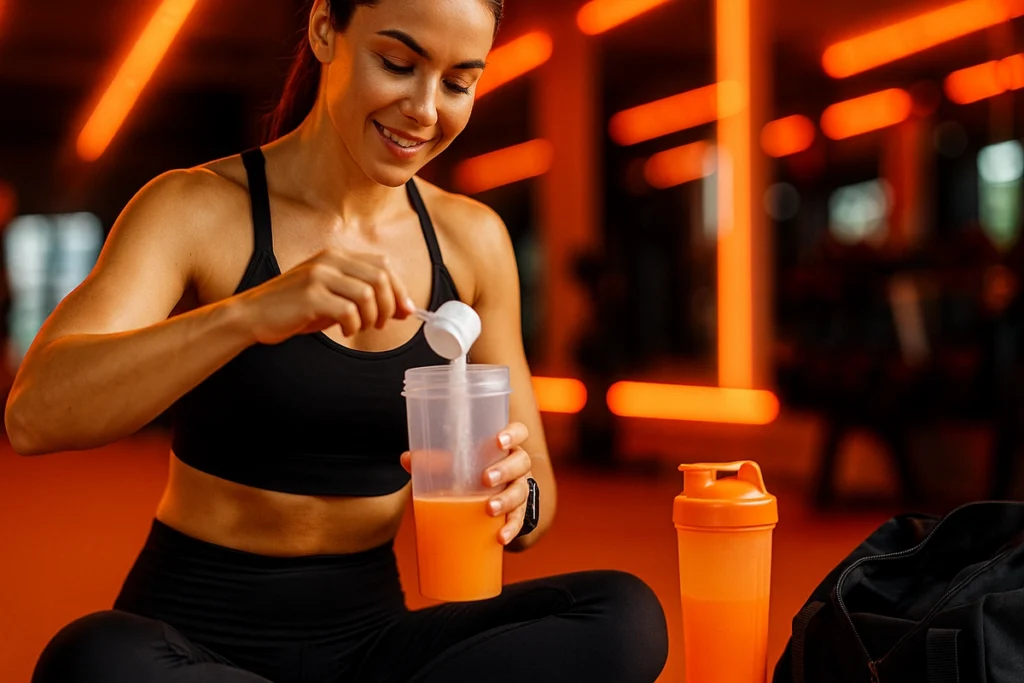
Getting the most from BCAAs comes down to three simple things:
- How much you take
- When you take them
- And a few smart habits that make them work harder.
Recommended Dosage
Stick to 5–8 grams per serving—that’s the sweet spot for supporting recovery and performance without overdoing it.
Always choose a 2:1:1 ratio of Leucine to Isoleucine to Valine. This is the most researched and effective blend for women looking to build strength, recover faster, and protect lean muscle.
Best Timing for Workouts
Take BCAAs 10–15 minutes before your workout or sip them during training to fuel energy, delay fatigue, and kickstart recovery while you train.
This timing is especially powerful if you work out fasted or follow a low-carb diet—helping preserve muscle and steady your performance when calories or carbs are low.
🚀 Learn more: Best Time to Take BCAAs and BCAAs on Rest Days Benefits
Best Practices for Maximum Results
- Use them as a training tool, not a meal replacement. BCAAs support your workout; they don’t replace whole protein sources or a solid nutrition plan.
- Keep them light and consistent. Their fast absorption means no stomach stress—perfect before early morning sessions.
- On rest days? Optional, but many women find them helpful for reducing lingering soreness and maintaining consistency between tough sessions.
Are BCAAs Safe? Side Effects & Myths for Women
Yes — BCAAs are safe for women when used correctly.
They’re simply three essential amino acids (leucine, isoleucine, valine) your body already gets from protein-rich foods like chicken, eggs, and dairy. Supplementing with them in a purified form doesn’t introduce anything foreign or dangerous.
⚠️ The rare issues I’ve seen in my coaching career come from two things:
- Low-quality BCAA powders loaded with artificial sweeteners, fillers, or mystery blends
- The unrealistic expectation that BCAAs alone will transform a body without proper training and nutrition.
They’re a tool, not a miracle, but when used right they consistently improve recovery and workout quality.
Let’s clear up the most common myth while we’re here: BCAAs do not make women bulky. They contain virtually no calories and zero hormones.
Building significant muscle mass requires a deliberate calorie surplus, heavy progressive overload, and often a genetic predisposition.
Sipping BCAAs during a workout will not suddenly make you look “big” — it’ll just help you feel less wrecked the next day.
If you’re still unsure about the difference between amino acids, I’ve compared them directly here: BCAA vs Glutamine for Muscle Recovery.
How to Choose the Best BCAA for Women
Not all BCAA supplements are created equal — and for women, the wrong choice can mean bloating, jitters, or simply no results.
Here’s exactly what to look for when picking a quality BCAA powder that supports your training, not your stomach issues.
✅ Quick Buyer’s Checklist
- The 2:1:1 Ratio Is Non‑Negotiable. Stick to leucine, isoleucine, and valine in a 2:1:1 split. That’s the research-backed sweet spot for muscle recovery and performance. Anything else is marketing, not science.
- Transparency Over Hype. Always choose a brand that openly lists the BCAA content per serving. Avoid “proprietary blends” — they hide cheap fillers behind fancy names. Third‑party testing (look for NSF or Informed‑Sport logos) adds another layer of trust that’s worth paying for.
- Clean Ingredients, No Nonsense. A women‑friendly BCAA should be gentle on digestion. Steer clear of artificial dyes, cloying sweeteners, and long ingredient decks that read like a chemistry experiment. You want a short, pronounceable list — many women prefer lightly sweetened or naturally flavored options to prevent bloating mid‑session.
- Powder Wins for Value and Speed. Pills exist, but BCAA powder offers faster absorption and far better cost per serving. It’s also easier to sip gradually during a workout, which is exactly how BCAAs deliver their best results.
- Bonus: Tailored to Your Sensitivities. If you’ve had bad experiences with whey or pre‑workouts, look for BCAAs free from gluten, soy, and dairy. Fermented or vegan BCAAs are often lighter on the stomach.
The best BCAA for women is a clean, 2:1:1 powder made by a transparent brand — no hype, just a simple tool that fits quietly into your morning training or cutting phase.
BCAAs for Women’s Weight Loss: Lose Fat, Not Muscle
Losing weight is hard. Losing weight without watching your strength and muscle tone disappear is even harder.
For women, a calorie deficit can quickly eat into hard-earned muscle — slowing metabolism and making it tougher to keep the weight off. This is exactly where BCAAs prove their worth.
Why Dieting Often Costs Muscle
When you cut calories, your body looks for energy. Ideally it burns fat, but it can also break down muscle tissue — a process called muscle catabolism.
Women are often more vulnerable to this because of hormonal factors, lower starting muscle mass, and a body that’s evolutionarily cautious about giving up fat stores.
The result? A smaller but softer physique, not the defined look you trained for.
How BCAAs Change the Equation
BCAAs — leucine, isoleucine, and valine — are metabolized directly in muscle tissue, not the liver, so they serve as an immediate energy source during training.
Leucine, in particular, activates the mTOR pathway, which drives muscle protein synthesis.
During a calorie deficit this signal can weaken, but a targeted BCAA dose around workouts helps keep the muscle-protective switch switched on. In practice:
- You maintain strength even on lower calories.
- Recovery between sessions stays quick.
- More of the weight you lose comes from fat, not muscle — preserving metabolic rate and shape.
How to Use BCAAs for Weight Loss
Use 5–8g of a 2:1:1 BCAA powder sipped 10–15 minutes before training or during fasted morning cardio.
This is especially valuable when training on empty, as BCAAs provide amino acids without necessarily breaking a fast (check labels for truly zero-calorie options).
They act as a bridge between your diet and your workouts — not a meal replacement, but a protective tool that makes every training session count.
In a calorie deficit, BCAAs help your body lose fat and keep muscle, so you get stronger and more defined — not just smaller.
BCAAs vs Protein Powder: Which Should Women Take?
BCAAs and protein powder are often thrown into the same conversation — but they serve fundamentally different jobs.
- Use protein powder to fill daily protein gaps and support overall muscle repair.
- Use BCAAs around workouts for targeted recovery, muscle protection, and fatigue reduction.
They aren’t interchangeable, and knowing when to reach for each can make or break your results.
One of my long-term clients, Nina, struggled with early-morning training. Whey protein before a 6 a.m. session left her bloated and sluggish.
When she switched to a clean BCAA powder sipped 10 minutes before lifting, everything changed — no stomach issues, steadier energy, and noticeably better strength through her fasted circuits.
Now she uses both: BCAAs as a pre/intra-workout shield, and a quality whey shake later in the day to hit her total protein target. That complementary approach is where the magic happens.
Here’s a side-by-side breakdown to help you decide:
Feature | BCAAs | Protein Powder |
|---|---|---|
Main Purpose | Rapid muscle protection, energy, and anti-fatigue support during training | Overall daily protein intake for muscle repair and growth |
When to Take | 10–15 min before or during a workout (especially fasted) | Anytime — post-workout, between meals, or as a meal replacement |
Calories | Typically 0–20 kcal per serving | 100–150+ kcal per scoop (varies) |
Digestion Speed | Ultra-fast absorption; light on the stomach | Slower digestion; can feel heavy pre-workout for some |
Best For | Fasted training, cutting phases, high-volume weeks, pre-workout without bloat | Meeting daily protein goals, muscle building, post-workout recovery shake |
Not Ideal For | Replacing meals or covering total daily protein needs | Immediate pre-workout fuel if digestion is sensitive |
The bottom line for women: If you’re already hitting your daily protein target but still suffering from soreness, sluggish workouts, or training fasted, BCAAs are the smart add-on. If your nutrition isn’t there yet, fix the protein foundation first — then layer in BCAAs in the scenarios we outlined earlier.
Need more help deciding between BCAAs, EAAs, and whole protein? I’ve broken that down in detail here: EAAs vs BCAAs for Workouts.
Frequently Asked Questions About BCAAs for Women
They’re not essential, but they help a lot. If you lift weights regularly, train fasted, or want to reduce soreness, BCAAs can support better performance and faster recovery.
Take 5 to 8 grams per serving. Use a 2:1:1 ratio of leucine, isoleucine, and valine. Drink it 10 to 15 minutes before or during your workout.
Yes, indirectly. BCAAs help protect your muscle while you’re in a calorie deficit. This keeps your metabolism higher and supports fat loss, not muscle loss.
It’s optional. If you’re already eating enough protein, you don’t need them. If you’re very sore or training hard the next day, a small serving may help recovery.
Yes. BCAAs are naturally found in protein-rich foods like meat, eggs, and dairy. As a supplement, they’re safe for daily use when taken at the recommended dose.
No. BCAAs contain very few calories and no hormones. They support lean muscle recovery, not bulk. Gaining visible bulk requires a large calorie surplus and heavy strength training over time.
They serve different purposes. Use protein powder to hit your daily protein goals. Use BCAAs around workouts for quick energy, reduced soreness, and muscle protection, especially if you train fasted.
Final Take: Should Women Add BCAAs to Their Stack?
If you’re already showing up, lifting heavy, and eating with intention, BCAAs can be the edge that turns consistency into visible progress.
They’re not essential for everyone — but in certain seasons of training, they’re the smartest supplement you can reach for.
✅ Add BCAAs to your stack when:
- You’re training fasted and need muscle protection without breaking your fast.
- You’re in a calorie deficit and want to lose fat, not strength.
- You’re pushing 4–6 sessions a week and feeling soreness creep into the next workout.
- You can’t stomach heavy shakes pre-workout but still want a recovery advantage.
❌ Skip them (or deprioritize them) when:
- Your daily protein intake is consistently low — fix that foundation first.
- You’re training casually twice a week and recovering just fine.
- Your budget is tight and you’re choosing between BCAAs and a quality protein powder. Pick the protein.
After years of coaching women through cuts, fasted training blocks, and grueling strength phases, I stand by this: BCAAs are one of the few supplements that quietly do their job without hype or side effects.
They won’t replace hard work — but they’ll help you do more of it, recover from it faster, and hold onto the muscle you’ve earned along the way.
Supplements should support your efforts — not replace them. BCAAs are one of the few that actually deliver when used smart.
— Hossein Mardali
Leave a Reply