


Teen athletes train hard, burn energy fast, and need serious fuel to keep up with their bodies’ demands.
But here’s the challenge: most teenagers struggle to eat enough calories and protein from food alone. Between school, practices, and games, sitting down for big meals isn’t always realistic.
That’s where mass gainers for teen athletes come in. When used correctly, they can fill nutritional gaps, speed up recovery, and support healthy weight gain without relying on junk food.
Still, the big question remains—are mass gainers safe for teenagers in competitive sports? The short answer is yes, but only if you know how to choose wisely and use them responsibly.
Table of contents
Can Teenagers in Competitive Sports Use Mass Gainers?
Yes, teenagers in competitive sports can use mass gainers—but only when it’s done safely and with proper guidance.
Supplements should never replace a balanced diet. Instead, they should fill the gaps when eating enough calories from food feels impossible.
I’ve coached several teenage athletes who struggled with this. Daniel, a 16-year-old basketball player, trained hard but couldn’t gain weight no matter how much he ate. By adding a clean, moderate-calorie mass gainer after training, he finally started building lean muscle. Within three months, he gained 4 kg of quality weight without excess fat. The difference came from using the supplement wisely, not relying on it as a shortcut.
Why Teen Athletes Consider Mass Gainers
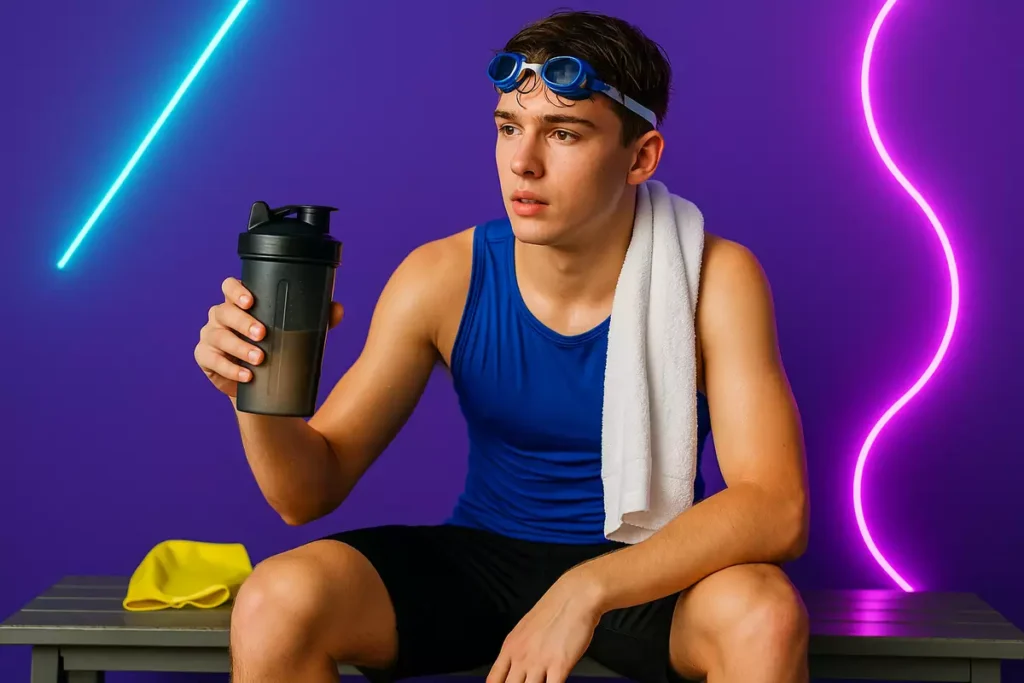
Competitive sports demand a lot from young bodies. Between school, practice, and recovery, it’s tough for teens to eat enough.
That’s why many consider mass gainers. They offer a quick way to pack in calories and protein without forcing down endless meals.
Take Marco, a 17-year-old swimmer I worked with. His training volume was sky-high, but his appetite wasn’t keeping up. When he tried to fuel with low-quality gainers, he ended up bloated and tired.
After adjusting his nutrition and switching to a cleaner product, his energy returned, and his performance in the pool improved. For athletes in similar situations, a gainer can be a solution when regular meals aren’t enough, especially when trying to increase calories efficiently.
Safe Guidelines for Teenagers Using Mass Gainers
When it comes to teen athletes, safety comes first.
Here are my top guidelines:
- Choose clean formulas without excess sugar or stimulants.
- Stick to proper servings—more is not better.
- Always keep supervision in the picture, whether that’s a parent, coach, or trainer.
I remember Sophie, a 15-year-old volleyball player, who started skipping dinner because she thought her shake was “enough.”
Her progress slowed down until we emphasized that gainers are only additions to real meals, never replacements. Learning about mass gainers without fat gain helped her understand how to use them safely.
Key Nutrients to Look For in a Teen-Friendly Mass Gainer
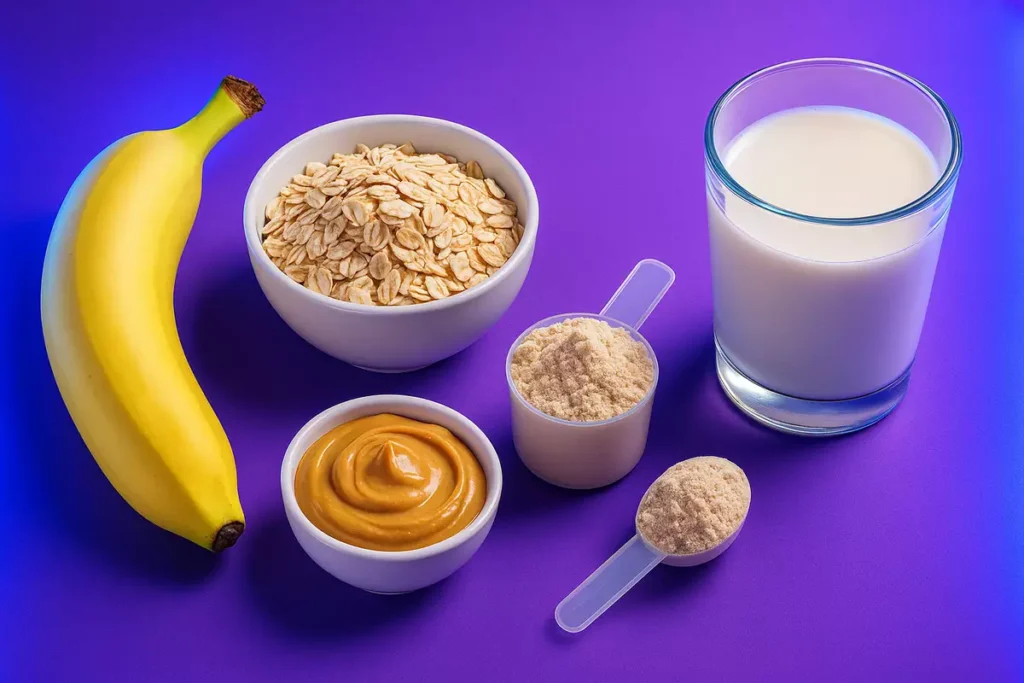
Not all mass gainers are built the same.
For teenagers, the best options should include:
- Moderate protein blends for muscle repair.
- Complex carbs for steady energy, not sugar spikes.
- Healthy fats to support growth and hormones.
- Added vitamins and minerals for overall recovery.
Ahmed, a 16-year-old boxer I coached, didn’t like store-bought powders. Instead, we made a homemade version with oats, peanut butter, milk, banana, and whey protein.
It was cheaper, tasted better, and fueled him through long sparring sessions. For some, a high-quality store product—like vanilla-based gainers—is a good option if they prefer convenience.
When to Take Mass Gainers for Best Results
Timing matters. The best moments for teen athletes to use mass gainers are:
- Post-workout, when muscles need quick nutrition.
- Between meals, if hitting daily calorie goals feels tough.
During the off-season, when training loads are high, gainers can be especially useful.
Lucas, a 17-year-old rugby player, used a post-training shake consistently. He recovered faster and gained steady muscle without feeling overstuffed.
This timing also works well for teens in niche areas, such as eSports players, who may burn fewer calories physically but still need proper recovery fuel for long hours of play.
Practical Alternatives Before Supplements
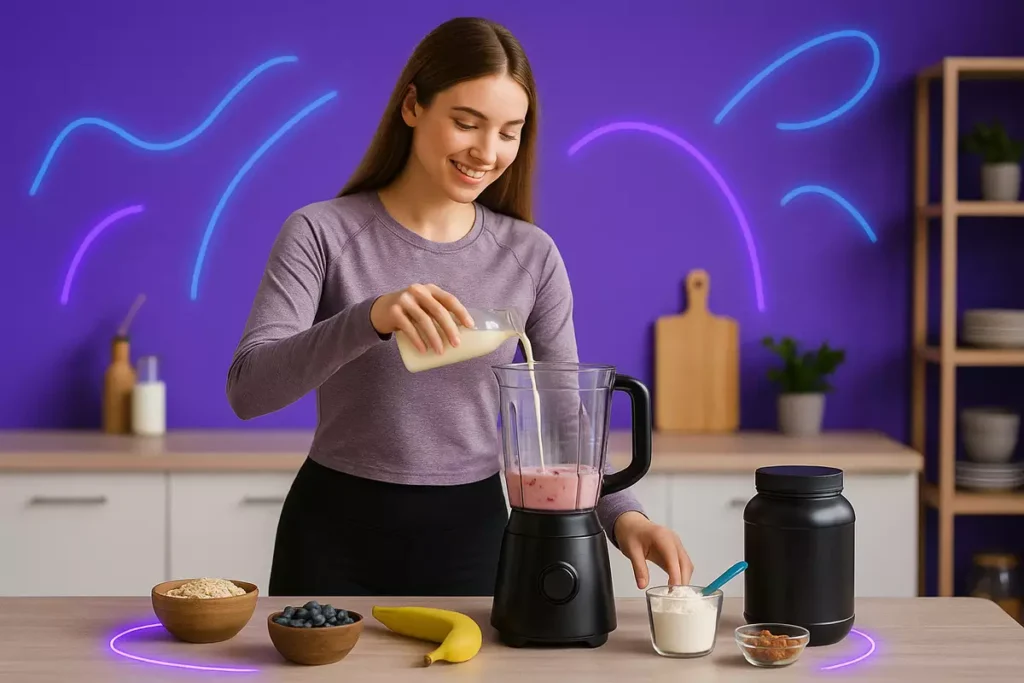
Supplements are tools, but food should always come first.
Some great natural alternatives include:
- Oats and nut butters
- Eggs and dairy
- Calorie-dense smoothies with fruits, milk, and protein
Anna, a 15-year-old soccer player I trained, struggled with eating enough. Instead of going straight to gainers, we added small, high-calorie meals like yogurt with honey, nuts, and granola.
Her energy picked up, and her performance improved without relying heavily on powders. In some cases, I also suggest athletes explore mass gainers with digestive enzymes, since they’re easier on the stomach and make calorie absorption smoother.
Final Takeaway
Mass gainers can be helpful for teenage athletes, but they’re not magic.
They don’t directly improve performance—they simply make it easier to reach calorie and protein goals. Performance comes from consistent training, recovery, and smart nutrition.
For teens who truly struggle with eating enough, a clean, moderate mass gainer can make life easier. But the foundation should always be real food.

Take this 2-minute assessment & get a science-backed training, nutrition & supplement roadmap built for YOUR body.
🔬 12,000+ personalized roadmaps generated
Supplements should support the journey, not lead it. That’s true whether you’re in a cutting phase, bulking, or simply looking to recover better after weight loss.
If you’re a young athlete—or a parent supporting one—focus on balance. Build meals around whole foods, use gainers when needed, and never forget: progress comes from effort, patience, and fueling your body the right way.

 Reveal What's Holding Me Back
Leave a Reply