


As a certified fitness coach with over a decade in the game, I get asked one question more than any other:
Whey vs plant protein — which actually builds more muscle?
If you’re chasing maximum hypertrophy, let’s not dance around it: whey protein still holds the crown. It’s fast-digesting, loaded with leucine, and backed by mountains of research.
But that doesn’t mean plant protein is out of the race. With the right blend and a little know-how, it can absolutely compete — and for plenty of lifters, it’s the smarter choice.
No fluff. No hype. Just real, practical answers to help you pick the protein that fits your body and your goals.
Whey Protein vs Plant Protein: Complete Comparison
Feature | Whey Isolate | Plant Blend (Pea + Rice) |
|---|---|---|
Leucine per serving | ~2.5–3g | ~2.5–3g (when properly blended) |
Amino Acid Profile | Complete, naturally rich in BCAAs | Often incomplete alone; complete when blended |
PDCAAS Score | 1.0 | 0.89–1.0 (blended) |
Digestion Speed | Fast (peaks 60–90 min) | Moderate (sustained release) |
Digestibility | Easy (isolate is low-lactose) | Great for dairy-free diets; no bloating |
Best Time to Use | Post-workout, between meals | Post-workout, meal replacement, anytime |
Best For | Maximum MPS, fast recovery, bulking | Vegan, lactose-intolerant, cutting, meal replacement |
Typical Cost | Moderate to high | Moderate |
Taste & Texture | Smooth, creamy, widely available flavors | Can be chalky or earthy; newer blends improved |
Table of contents
- Quick Answer: Which Protein Builds More Muscle?
- What Bodybuilders Need from a Protein Powder
- Whey Protein: The Gold Standard for Muscle Gain
- Can Plant Protein Build Muscle?
- Which Protein Should You Choose? (trainer’s advice)
- Key Takeaways: Whey vs Plant Protein for Muscle
- Final Thoughts
- Frequently Asked Questions
Quick Answer: Which Protein Builds More Muscle?
If maximum muscle growth is the goal, whey protein takes the lead. It delivers a complete amino acid profile, high bioavailability, and a fast spike in muscle protein synthesis — all driven by leucine, the amino acid that acts as the body’s primary muscle-building switch.
But here’s the honest truth: plant protein isn’t far behind. With a quality blend — like pea and rice — and enough attention to leucine and amino acid balance, it can support serious lean muscle gains.
For lifters who are vegan, lactose-intolerant, or just prefer a dairy-free option, it’s a proven, practical alternative.
What Bodybuilders Need from a Protein Powder
When I design nutrition plans for my clients, I don’t get hung up on fancy labels or marketing hype.

Instead, I focus on four things that actually move the needle for muscle growth:
- A complete amino acid profile — with enough leucine to trigger muscle protein synthesis
- Fast digestion post-workout — to get amino acids into the bloodstream when muscles are primed
- Easy on the stomach — because bloating kills appetite and consistency
- Fits into daily life — if it’s a hassle, you won’t stick with it
Here’s the truth most supplement companies won’t tell you: whether you’re a beginner or prepping for a physique show, consistently hitting your daily protein target matters far more than the brand on the tub.
But two factors are worth understanding deeper — because they separate good protein powders from great ones.
Leucine: The Muscle-Building Trigger
Think of leucine as the spark plug for muscle growth. Without enough of it, your body simply can’t flip the switch on muscle protein synthesis — no matter how much protein you eat.
Whey typically delivers 2.5–3g of leucine per scoop, naturally. Plant proteins? It varies. Soy and pea can get close, but most need strategic blending to hit that threshold.
The takeaway: if you’re choosing a protein powder for bodybuilding, check the leucine content — or make sure your blend covers the gap.
Digestion Speed & Amino Acid Profile
Not all protein hits your muscles at the same pace.
Whey absorbs fast — amino acids peak within 60 to 90 minutes, making it perfect for the post-workout anabolic window. Its amino acid profile is naturally complete and rich in BCAAs.
Plant proteins digest more gradually. That’s not a weakness — a slow, sustained release works well between meals or before fasting periods. The real trick is using a blend (like pea + rice) to mirror a complete amino acid profile.
Both can build muscle. They just deliver fuel on different timelines — and smart lifters use that to their advantage.
Whey Protein: The Gold Standard for Muscle Gain
I made the switch to whey protein over a decade ago after hitting a frustrating plateau. Despite training hard, I was constantly sore and my recovery lagged.
Adding a fast-digesting whey isolate after workouts changed everything — my recovery accelerated and I finally broke through.
That experience isn’t unique. Whey protein remains the most researched and effective option for building lean mass, and for good reason: it’s a complete protein packed with BCAAs and delivers a high dose of leucine — the key trigger for muscle protein synthesis — within minutes of drinking it.
Real Results: Case Study
Client Story: Carlos from Spain trained consistently but struggled to put on weight. We introduced 30g of whey isolate immediately after each session.
In 12 weeks, he gained 5 kg of lean mass and increased his strength by 20% across all major lifts. No other variable changed — just strategic post-workout protein.
I personally favor whey isolate because it’s low in lactose, clean, and easy on the stomach — even for clients with mild dairy sensitivity. Whether you’re bulking or cutting, isolating that post-workout window with a fast-absorbing protein can make a measurable difference.
If you’re comparing whey against slower-digesting options, my full breakdown on Casein vs Whey for Muscle Growth will help you decide when each one makes sense.
🔗 Also read: Whey Protein After Workout Guide.
Can Plant Protein Build Muscle?
Short answer? Absolutely — when you use the right blend.
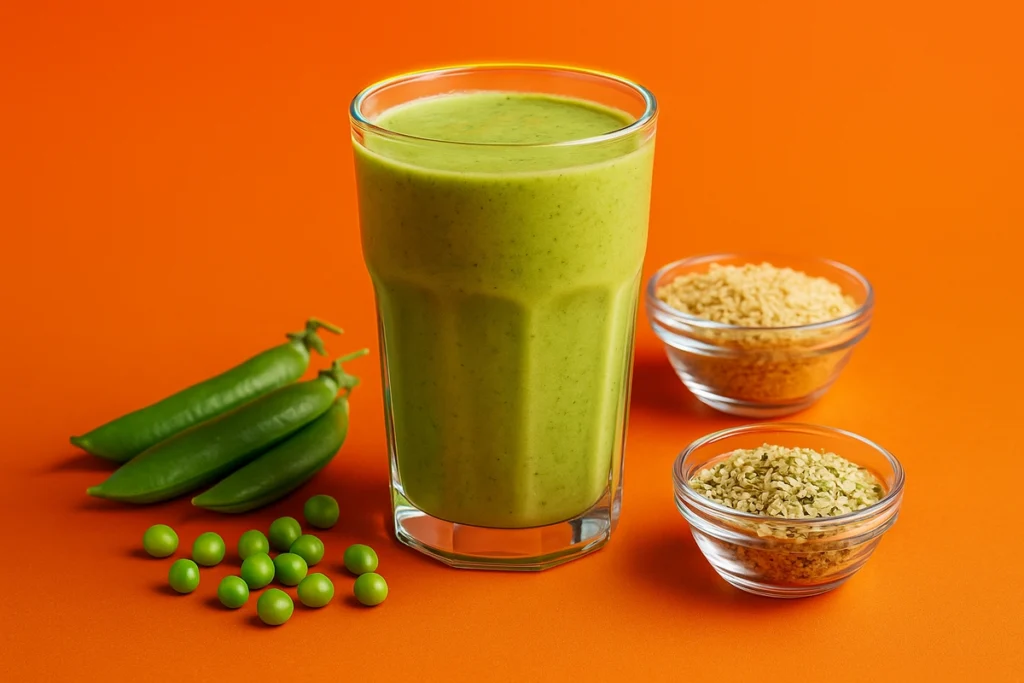
I’ve personally used pea, rice, and hemp protein during cutting phases, especially when I cut back on dairy to reduce bloating.
Plant protein digests a bit slower and, honestly, some brands still taste chalky. But here’s the truth: it can absolutely support real muscle growth if you dial in your amino acid intake.
That means paying attention to leucine — the amino acid that flips the switch on muscle protein synthesis. A well-designed plant blend can hit the same 2.5–3g leucine per serving that whey delivers. The key is knowing how to combine the right sources.
💬 Real client story: Sana, a vegan client from India, was preparing for a photoshoot. We used a pea + rice + hemp blend that gave her roughly 3g of leucine per shake. With consistent training and nutrition, she leaned out while holding onto her hard-earned muscle. Her transformation photos said it all — plant protein, done right, gets results.
The Pea + Rice Blend Advantage
Not all plant proteins are created equal. The magic happens when you combine pea and rice protein — and here’s why.
Pea protein is rich in lysine but low in methionine. Rice protein is the opposite — high in methionine and cysteine, but short on lysine. Together, they fill each other’s gaps, creating a complete amino acid profile that rivals whey. Add a touch of hemp for extra fiber and omega-3s, and you’ve got a well-rounded muscle-building shake.
This pea + rice combo is the backbone of the best plant-based protein powders on the market today — and for good reason. It’s dairy-free, easy to digest, and when formulated correctly, delivers the leucine punch your muscles need post-workout.
Plant Protein Digestion & Leucine Fix
One common knock on plant protein: it digests slower than whey. That’s actually not a dealbreaker — it just means the amino acid release is more gradual, which can be useful between meals or before bed.
The real challenge is hitting the leucine threshold. To trigger maximum muscle protein synthesis, you want roughly 2.5–3g of leucine per serving. Some single-source plant proteins fall short, but a quality blend (pea + rice, often with added leucine or fermented sources) bridges that gap easily.
If your plant protein is a little low on leucine, a simple fix is to add an extra half-scoop, pair it with leucine-rich foods (like tofu or lentils), or choose a brand that fortifies with extra leucine. Problem solved — no whey required.
Which Protein Should You Choose? (trainer’s advice)
After years of coaching, I’ve found the best protein isn’t just about the label — it’s about what fits your lifestyle, digestion, and training schedule.
Here’s exactly how I guide clients:
For Maximum Gains
If your primary goal is adding lean mass and getting stronger, whey isolate post-workout is your best bet. The rapid digestion and leucine spike push muscle protein synthesis into high gear when your body needs it most.
One of my clients, Jesse — a busy dad from Canada — started using whey isolate twice a day (immediately post-training and mid-morning).
Within six weeks, he smashed a long-standing deadlift PR. He’d tried plant protein before but never saw strength jumps like that. The real game-changer? Consistency with a fast-acting, complete protein around training.
For Vegan or Dairy-Free Diets
You can absolutely build muscle without whey. The key is choosing a complete plant protein blend (pea + rice is my go-to) that delivers at least 2.5–3g of leucine per serving. Don’t rely on single-source plant powders — they often fall short on essential amino acids.
Look for blends explicitly formulated for muscle building, and consider using a slightly larger scoop if leucine content is borderline. This approach has helped vegan clients maintain strength and even gain lean mass during cutting phases.
For Late-Night Training
Training late and going to bed soon after? A slow-digesting protein can keep amino acids elevated while you sleep.
While casein is the classic choice, whey taken at night still supports recovery and may improve morning performance — especially if you train fasted.
I break down exactly how and why in my article on whey protein’s nighttime benefits.
Mix Both for Variety & Digestion
I sometimes blend whey isolate with a plant protein. The combination gives you the fast leucine spike from whey with the sustained release of plant sources.
It also tends to be gentler on sensitive stomachs and breaks up flavor monotony. If bloating or taste boredom is a real concern, this hybrid strategy could solve both.
Need help picking the right whey? Check out my guide to the best whey protein for muscle gain and recovery — I’ve tested and ranked top isolates for purity, taste, and results.
Key Takeaways: Whey vs Plant Protein for Muscle
- Whey protein offers a fast-digesting, leucine-rich complete protein—ideal post-workout.
- Plant protein blends (pea + rice) can match whey’s muscle-building effects if leucine intake is ≥2.5g per serving.
- Consistency with total daily protein matters more than the source.
- Choose whey isolate for max gains and low lactose; choose a quality plant blend if vegan or dairy-sensitive.
Final Thoughts

Here’s the bottom line: whey protein remains the go-to for fast muscle growth and recovery, but today’s high‑quality plant protein blends have closed the gap for bodybuilders who avoid dairy — and the results prove it.
I’ve watched clients build impressive lean mass with both. The real difference maker isn’t the powder itself — it’s how consistently you hit your daily protein target, how well your body digests that protein, and whether you’re pushing hard in the gym.
Choose the option that fits your stomach, your lifestyle, and your training — without the mental gymnastics. Overthinking the whey vs plant protein debate distracts from what actually moves the needle: showing up, eating right, and staying consistent.
At the end of the day, real gains come from your habits — not the fancy label on your shaker cup.
Frequently Asked Questions
Yes. A complete plant protein blend (like pea and rice) with at least 2.5–3g of leucine per serving can build muscle just as well as whey when your total daily protein intake is met. Consistency matters more than the source.
Whey has a slight edge due to its faster digestion and naturally higher leucine content. However, pea protein combined with a complementary source like rice creates a complete profile that can deliver very similar muscle-building results.
A typical 25g serving of whey isolate provides 2.5–3g of leucine. A well-designed plant blend (pea + rice) can also hit 2.5–3g, which is the threshold needed to trigger muscle protein synthesis.
Whey digests quickly, with amino acid levels peaking 60–90 minutes after intake. Plant proteins like pea and rice are moderately fast but release amino acids more gradually, which can be useful for sustained recovery.
A combination of pea and rice protein is ideal. Pea provides high lysine while rice offers methionine and cysteine — together they form a complete amino acid profile that rivals whey for muscle repair and growth.
Absolutely. Many athletes mix both to improve amino acid variety, slow digestion slightly for longer satiety, and reduce digestive issues. It’s an excellent way to get the best of both worlds.

Leave a Reply