
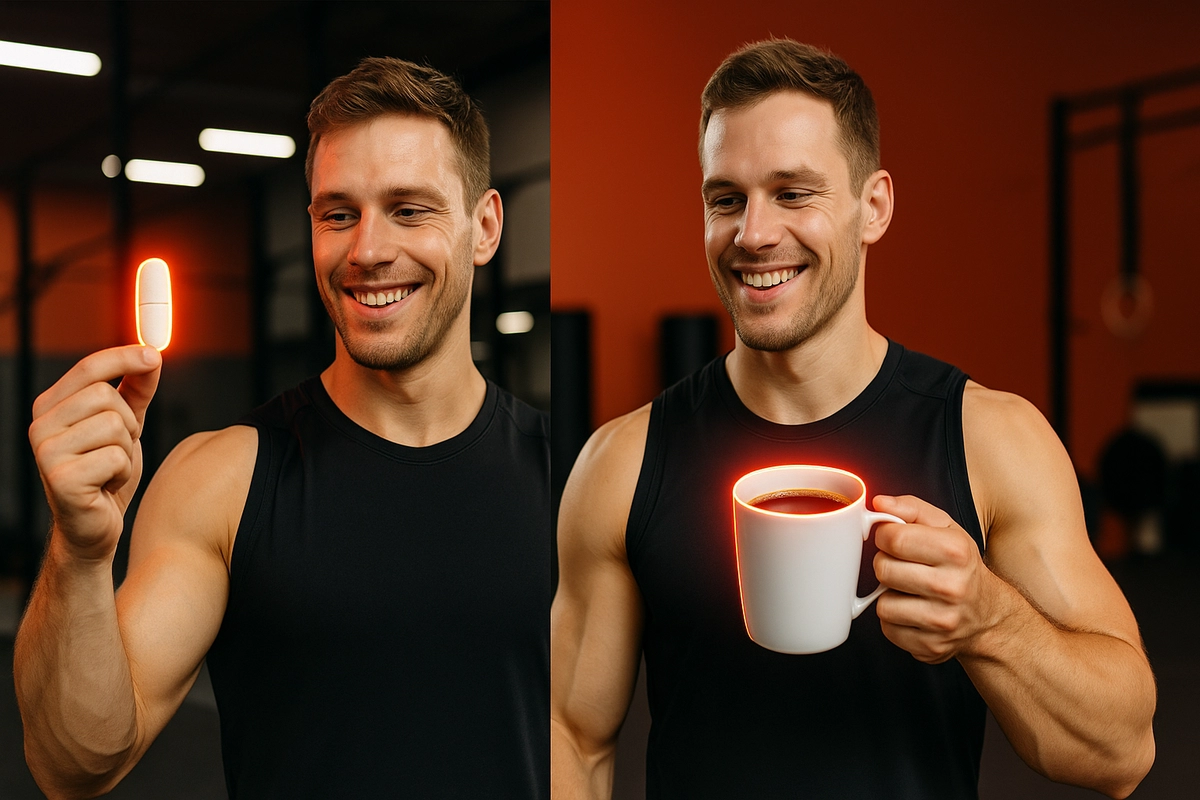

If you’re heading to the gym and need that extra kick, you’ve probably asked yourself this:
Should I take a caffeine pill, drink a cup of coffee, or go with a full pre-workout?
Maybe coffee upsets your stomach mid-squat. Maybe you’re tired of guessing the caffeine dose. Or maybe you just want the cleanest, fastest energy to hit a new PR.
As a fitness trainer who’s tested all three — on myself and with dozens of clients — I’ll break down exactly what works best, when to take it, how much you need, and which option wins for pure gym performance.
No fluff. Just the clear winner.
Table of contents
- Caffeine Basics: How It Boosts Performance
- Caffeine Pills: Why I Use Them (and When)
- Coffee: Still Great in the Right Context
- Caffeine Pills or Coffee — Which One Wins?
- Caffeine Pills vs Pre-Workout: Which Should You Use?
- When to Take Caffeine Pills (or Coffee) Before a Workout: Timing Guide
- How Much Caffeine Should You Take Before a Workout?
- Trainer’s Take: What I Recommend
- Frequently Asked Questions About Caffeine Pills & Coffee
- Final Verdict: Caffeine Pills or Coffee — Which Should You Use for Workouts?
Caffeine Basics: How It Boosts Performance
Caffeine isn’t just about feeling more awake — it’s a legit performance enhancer.

It blocks adenosine (the fatigue signal in your brain), stimulates the central nervous system, and helps:
- Increase alertness and focus
- Delay fatigue
- Enhance muscle contraction
- Mobilize fat as energy (great during cutting)
That’s why it’s a staple in almost every pre-workout supplement on the market.
Want to know how caffeine affects recovery? Read Caffeine & Muscle Recovery Full Guide.
Caffeine Pills: Why I Use Them (and When)
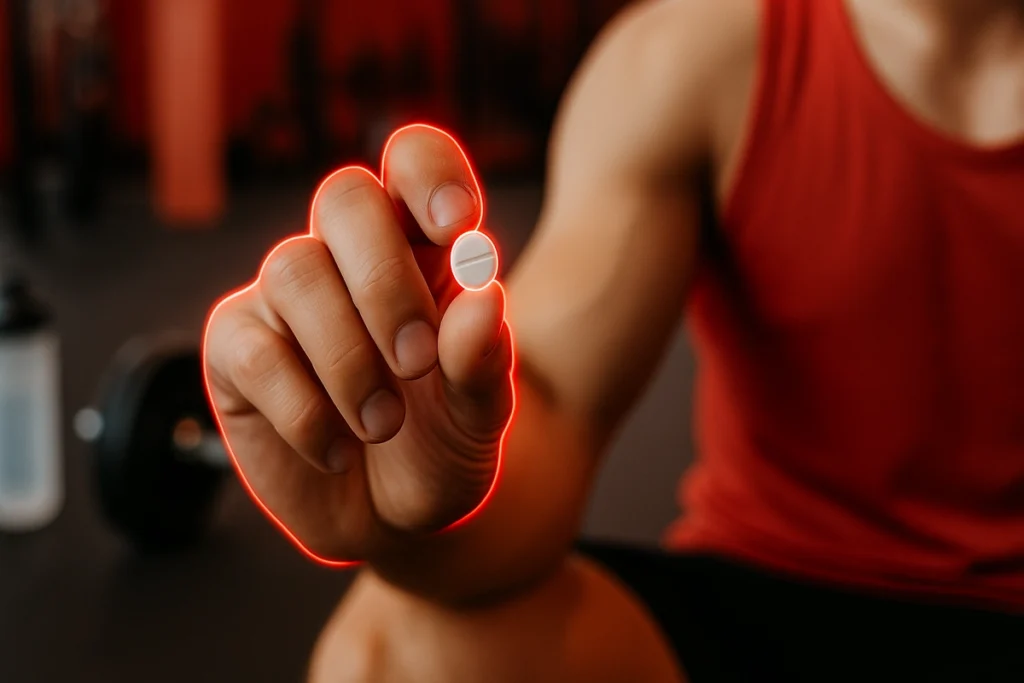
When I know I have a brutal leg day or heavy compound lifts ahead, I go straight for a 200 mg caffeine pill.
The energy hits hard — not in a jittery way, but in a clean, laser-focused way. I’ve personally hit PRs on caffeine pills that I couldn’t touch on coffee. And I’m not alone.
Take Jake, one of my clients from the UK. He used to drag himself through evening workouts after long shifts. Once we added a simple 150 mg caffeine tablet 30 minutes before training, everything changed — more volume, sharper focus, and zero skipped sessions in three months.
Pros of Caffeine Pills
- Fast, predictable energy in 20–30 minutes
- Precise dosage every time (no guessing like coffee)
- Zero calories, zero sugar
- Portable, cheap, and convenient
- No bloating or stomach discomfort mid-training
Cons of Caffeine Pills
- Can cause jitteriness if you’re caffeine-sensitive
- Not ideal late in the day (will mess with sleep)
- No antioxidants or ritual enjoyment like coffee
- Easy to overdo if you don’t measure properly
That last point matters — caffeine pills are pure function, not a health food or a lifestyle drink. Use them like a tool, not a treat.
Are Caffeine Pills Better Than Coffee for Workouts?
For pure gym performance, yes — caffeine pills are often the better weapon. You get a precise dose every single time, they kick in fast without stomach bloating, and you completely avoid the inconsistent caffeine levels that come with different coffee roasts and brew methods.
That said, if you genuinely enjoy the warm-up ritual of sipping a black coffee or just want a gentler lift on lighter training days, coffee still has its place.
But if you’re chasing PRs under a heavy barbell? Pills are the sharper, more reliable tool.
Coach’s Choice: Top Caffeine Tablet Brands
These are the brands I’ve personally used and recommended to clients. No sponsorships — just what works.
Brand | Dose Per Tablet | Notes |
|---|---|---|
Pro Plus | 50 mg | Simple, no-filler formula. Available in most pharmacies. My go-to for heavy days. |
MyProtein Caffeine Pro | 200 mg | Budget-friendly bulk option. Clean energy, no crash. |
Nutricost Caffeine | 200 mg | Third-party tested. Good if you prefer ordering online. |
Start with half a tablet (100 mg) if you’re new to caffeine pills. You can always scale up.
If you’re dealing with caffeine fatigue or lessening effects: Caffeine Tolerance Reset Guide.
Coffee: Still Great in the Right Context

Don’t get me wrong — I love coffee. And I use it, especially for fasted cardio, morning workouts, or active recovery days.
A small black coffee (around 100 mg caffeine) taken 45 minutes before training gives me just enough of a lift to get going — without overstimulating me.
But here’s the catch: coffee isn’t always consistent. Depending on the roast, brew time, or brand, caffeine content can vary a lot.
Plus, some people just don’t digest it well. I’ve had mornings where I took coffee on an empty stomach and got nausea and heartburn mid-session — not fun during crunches or treadmill sprints.
Pros of Coffee
- Natural source of caffeine + antioxidants
- Comforting ritual, especially in the morning
- Gentler for caffeine-sensitive lifters
Cons of Coffee
- Inconsistent dosage
- May cause digestive discomfort
- Slower onset compared to pills
Learn how coffee compares to full-stack formulas: Caffeine vs Pre-Workout Supplements.
Caffeine Pills or Coffee — Which One Wins?
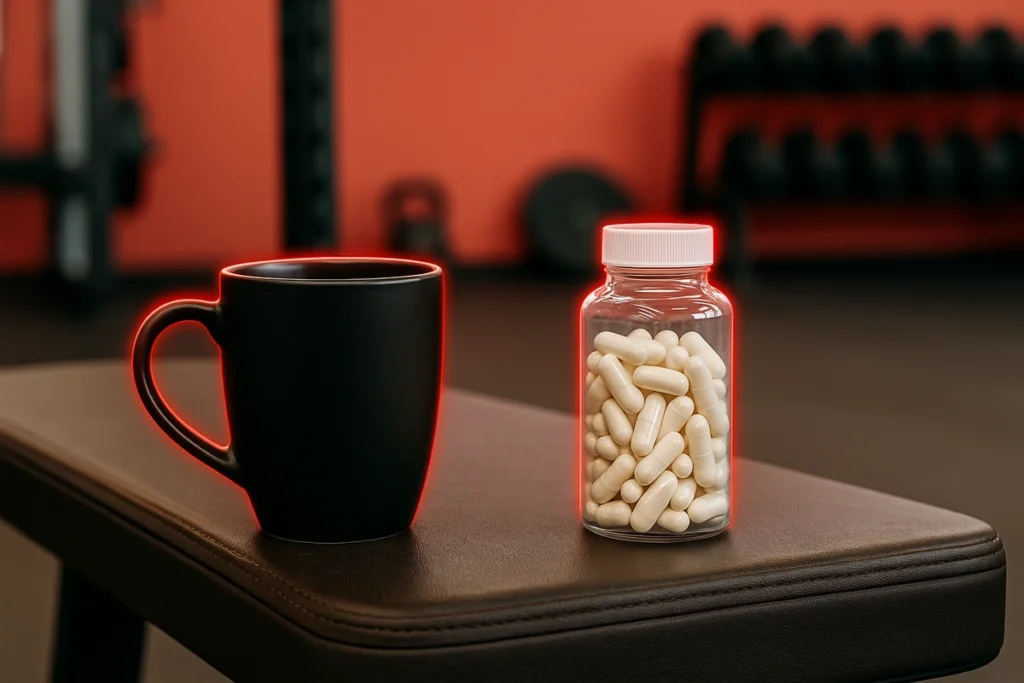
For gym performance, caffeine pills are the winner — especially if you need consistent, fast-acting, and powerful energy.
Pills give you a precise dose, usually 100–200 mg, which means no guessing and no waiting. They kick in within 20–30 minutes and help you feel focused, alert, and ready to lift.
That said, coffee still has a place, especially if you train light, prefer a gentler boost, or just love the comfort of sipping something warm.
For a deeper dive into natural caffeine alternatives, check out: Natural Caffeine Sources for Pre-Workout


Caffeine Pills vs Pre-Workout: Which Should You Use?
So you’ve narrowed it down to caffeine — but now you’re staring at two options: a simple caffeine pill or a full pre-workout formula. I’ve used both extensively, and the right choice depends on what you actually need from your session.
What’s Actually in a Pre-Workout?
A typical pre-workout supplement contains caffeine (usually 150–300 mg) plus a stack of other performance ingredients:
- Beta-alanine – buffers lactic acid for better endurance (and causes that familiar skin tingle)
- Citrulline malate – boosts nitric oxide for blood flow and muscle pumps
- Creatine – supports strength and power output
- Tyrosine or Alpha-GPC – enhances mental focus under fatigue
Caffeine pills, by contrast, are one ingredient and one job: stimulate your central nervous system so you feel awake, alert, and ready to lift. No pump enhancers, no focus blend — just raw, predictable energy.
Pros of Caffeine Pills Over Pre-Workout
- Exact dose every time – You know precisely how much caffeine you’re getting. No proprietary blends hiding the numbers.
- Cheaper per serving – A tub of caffeine tablets costs a fraction of most pre-workouts and lasts months.
- No artificial sweeteners, colors, or fillers – Cleaner if you’re sensitive to sucralose or food dyes.
- No beta-alanine tingle – Some lifters hate that pins-and-needles sensation. Pills skip it entirely.
Pros of Pre-Workout Over Caffeine Pills
- Multi-ingredient synergy – Caffeine plus citrulline and beta-alanine together can deliver better pumps, endurance, and focus than caffeine alone.
- Better for high-volume or long sessions – The added endurance ingredients shine when sets drag past 60 minutes.
- Variety of stim options – You can choose low-stim, high-stim, or even stim-free formulas depending on the day.
So Which One Should You Use?
If all you need is clean energy and sharp focus — and you don’t care about skin-ripping pumps — caffeine pills work perfectly as a pre-workout. I use them on heavy strength days where I just want to lock in and move weight.
If you’re chasing a massive pump, training for hypertrophy with lots of volume, or just love the full pre-workout experience, go with a complete formula.
Personally? I keep both in my gym bag. Pills for the brutal compound days. Pre-workout for the high-rep pump work.
Still unsure how this stacks up against your morning coffee? Check out my full breakdown: Caffeine vs Pre-Workout Supplements.
When to Take Caffeine Pills (or Coffee) Before a Workout: Timing Guide
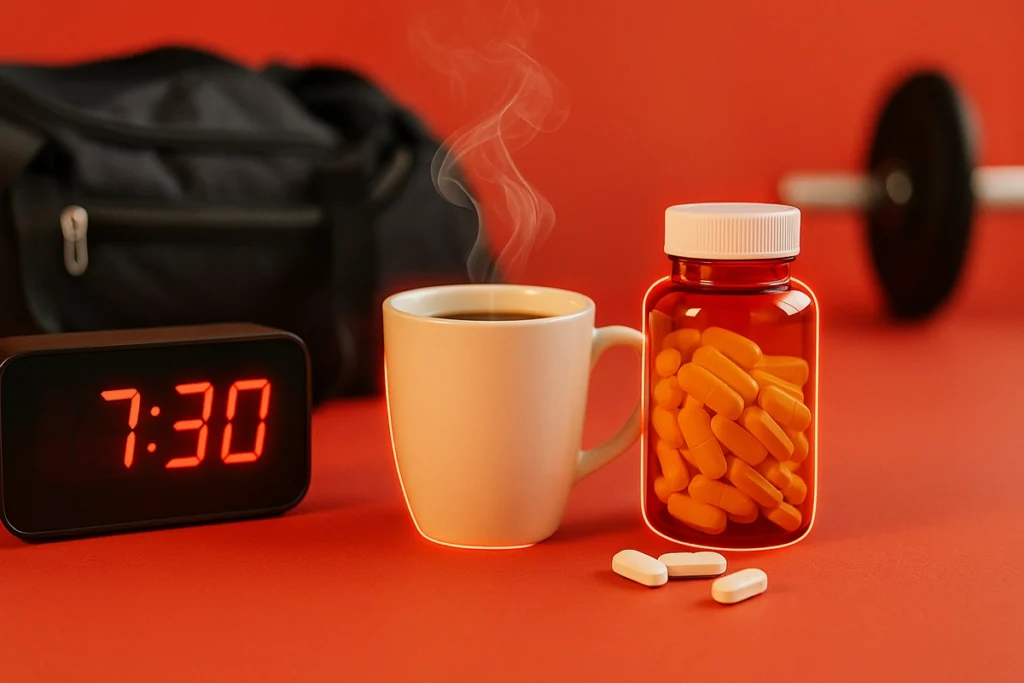
Taking a caffeine pill 30–45 minutes before your workout gives you a sharp, clean energy surge exactly when you need it.
I recommend taking it with a glass of water, not on a completely empty stomach, to avoid mild nausea.
Timing is key — especially if you’re aiming to hit your peak performance window.
- Caffeine pills: Take 30–45 minutes before training
- Coffee: Sip about 45–60 minutes before (earlier if it’s with a meal)
And here’s my rule: no caffeine after 4 PM. I’ve made that mistake before — wide awake at 2 AM after a late-evening squat session.
Learn the optimal window here: Best Time to Take Caffeine Before Workout
How Much Caffeine Should You Take Before a Workout?
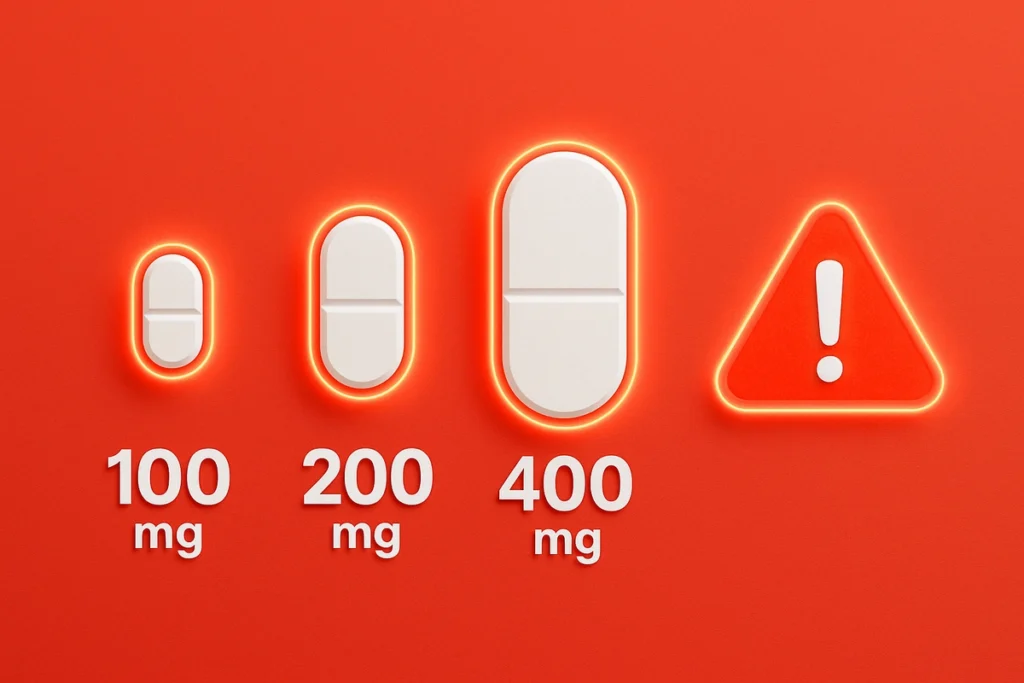
The sweet spot is usually 100–200 mg before training, depending on your tolerance.
- Beginners: Start with 100 mg
- Experienced lifters: Up to 200 mg is usually effective
- Never exceed 400 mg per day from all sources
I always remind my clients to cycle caffeine — take 1–2 days off each week to avoid tolerance build-up.
Read this detailed breakdown: Caffeine Dosage for Fat Burning, Focus & Performance
Trainer’s Take: What I Recommend
Over the years, I’ve coached all types — beginners, competitors, busy parents, corporate clients. And here’s what I’ve seen:
- Coffee is great for casual lifters, cardio lovers, or those easing into stimulants.
- Caffeine pills are ideal for serious lifters, early morning grinders, and anyone needing laser focus under the bar.
One client, Laura (32, Spain), was sensitive to pills and felt shaky after just 100 mg. But switching her to half a cup of coffee before her workouts worked like magic — smooth energy, better mood, and no crash.
On the other hand, Marcus (25, Germany) used caffeine pills during his bulking phase. We paired them with heavy deadlift sessions, and he crushed a 30-pound PR in less than a month.
It’s all about finding what you respond to best.
Frequently Asked Questions About Caffeine Pills & Coffee
Yes, for most lifters, caffeine pills are better. They give you a precise dose every time, kick in fast, and don’t cause stomach issues the way coffee sometimes does. Coffee still works fine if you prefer a gentler lift or enjoy the morning ritual, but for consistent, reliable energy, pills win.
Absolutely. Caffeine pills are designed to be taken before exercise. For the best results, take one with water about 30 to 45 minutes before you start training. This gives the caffeine enough time to peak in your bloodstream right when you need it most.
It depends on what you want. Caffeine pills provide clean energy and focus with zero extra ingredients. A full pre-workout supplement adds things like beta-alanine for endurance and citrulline for pumps. If you just need energy, stick with pills. If you want the extra performance boosters, go with a pre-workout formula.
Start with 100 mg if you’re new to caffeine. Experienced users can take up to 200 mg for a stronger effect. Never go above 400 mg in a single day from all sources. And remember to cycle off caffeine one or two days a week to keep your tolerance low.
Not really. Both take about 30 to 45 minutes to kick in. The difference is that pills give you a consistent dose every time, so the energy feels more predictable and hits at the same intensity workout after workout.
Yes. Caffeine is the main energy-boosting ingredient in most pre-workouts anyway. If all you need is focus and alertness, a simple caffeine pill works perfectly as a low-cost, no-fuss pre-workout alternative.
Yes. The terms are used interchangeably. Whether the label says tablets, pills, or capsules, you’re getting the same active ingredient. Just check the dosage per unit so you know exactly how much caffeine you’re taking.
You can, but some people experience mild nausea or stomach discomfort. If that happens to you, eat a small snack like a banana or rice cake 15 minutes before taking the pill. It usually solves the problem without slowing down absorption.
Final Verdict: Caffeine Pills or Coffee — Which Should You Use for Workouts?
Here’s my honest take after years of testing both on myself and with clients:
If you want fast, clean, and consistent energy — go with caffeine pills. You get a precise dose every time, they kick in within 30 minutes, and you skip the stomach bloat, acid reflux, and caffeine guesswork that comes with coffee. For heavy lifting days, early morning sessions, or chasing PRs, pills are the sharper tool.
If you’re easing into training or just love the ritual — black coffee still gets the job done. It’s gentler on the system if you’re stimulant-sensitive, offers antioxidants, and gives you that comforting pre-gym moment to mentally lock in. For light cardio, active recovery, or casual lifters, it’s more than enough.
Quick Decision Cheat Sheet
Your Goal | Best Choice | Why |
|---|---|---|
Hit a new PR or max effort day | Caffeine pills | Precise dose, fast hit, no stomach drama |
Morning fasted cardio | Black coffee | Gentle lift, no overstimulation |
Late afternoon or evening training | Caffeine pills (100 mg max) | Control your dose and cutoff time |
Sensitive stomach or acid reflux | Caffeine pills | No coffee acids to trigger nausea |
Enjoy the pre-gym ritual | Black coffee | The warmth and routine matter too |
Budget-conscious lifter | Caffeine pills | Pennies per serving vs. café prices |
Light workout or recovery day | Black coffee | Enough kick without overdoing it |
Three Non‑Negotiables Whatever You Choose
- Time it right — 30–45 minutes before training for pills, 45–60 minutes for coffee. No caffeine after 4 PM if you value sleep.
- Start low and scale up — 100 mg is enough for most beginners. You don’t need 300 mg to have a good session.
- Cycle your caffeine — Take 1–2 days off per week. Your body adapts fast, and you’ll lose the edge if you’re always on.
The Truth No One Says Out Loud
Caffeine pills are the more effective gym tool. Period. They’re precise, portable, predictable, and cheap.
But coffee? Coffee is the experience. And sometimes, especially on cold mornings or easy training days, that experience is exactly what gets you through the gym doors.
My advice: don’t pick a side forever. Keep caffeine pills in your bag for the heavy days and a French press on your counter for everything else. The best pre-workout is the one you’ll actually use — and that fits the session ahead.
Still not sure? Try both for two weeks each. Track how you feel, how you perform, and how you sleep. Your body will tell you the answer.
Fitness isn’t one-size-fits-all. Neither is your caffeine strategy.
Leave a Reply