

Wondering if you can take caffeine and creatine together for better workouts? You’re not alone.
This powerful combo has become a go‑to for many lifters looking to boost strength, focus, and endurance — but is it safe and effective?
✅ 5 Truths about the Caffeine + Creatine Stack:
- They work via different pathways – caffeine fires up your brain, creatine fuels your muscles. No cancellation.
- 5g creatine daily + 150‑200mg caffeine pre‑workout is the sweet spot for most.
- Timing matters – caffeine 20‑30 minutes before training; creatine anytime, but consistency beats timing.
- Late‑day caffeine kills sleep quality – skip it if you train after 4 PM.
- Side effects (jitters, racing heart) come from too much caffeine, not the combo itself.
As a fitness coach who’s tested this stack myself and coached clients through it, I’ll break it all down for you with real‑world advice.
Let’s cut through the myths and explore how to use caffeine and creatine together — the smart way.
Table of contents
- Can You Take Caffeine and Creatine Together?
- How Caffeine and Creatine Work in the Body
- Do Caffeine and Creatine Interfere with Each Other?
- Does Caffeine Cancel Out Creatine? – Myth vs Science
- Potential Side Effects of Caffeine and Creatine Stack
- Who Should Avoid Caffeine and Creatine Together?
- Best Time to Take Caffeine and Creatine
- Caffeine and Creatine Dosage: How Much to Take
- Frequently Asked Questions
- Final Verdict: Is the Caffeine + Creatine Combo Worth It?
Can You Take Caffeine and Creatine Together?
Yes, you absolutely can. As a coach who’s experimented with dozens of supplement stacks, I’ve personally combined caffeine and creatine many times — and so have my clients.
For most people, this combo gives you the best of both worlds:
- Caffeine for mental sharpness and energy
- Creatine for strength, power, and endurance
The key is doing it right — and knowing your body. If you’re looking for smoother energy with no crash, I also recommend checking out the best caffeine supplements without crash.
⚡ Still guessing your creatine timing?
Most people waste up to 40% by taking it at the wrong time or with the wrong foods.
Fix My Creatine Timing FreeHow Caffeine and Creatine Work in the Body
Let’s break this down simply.
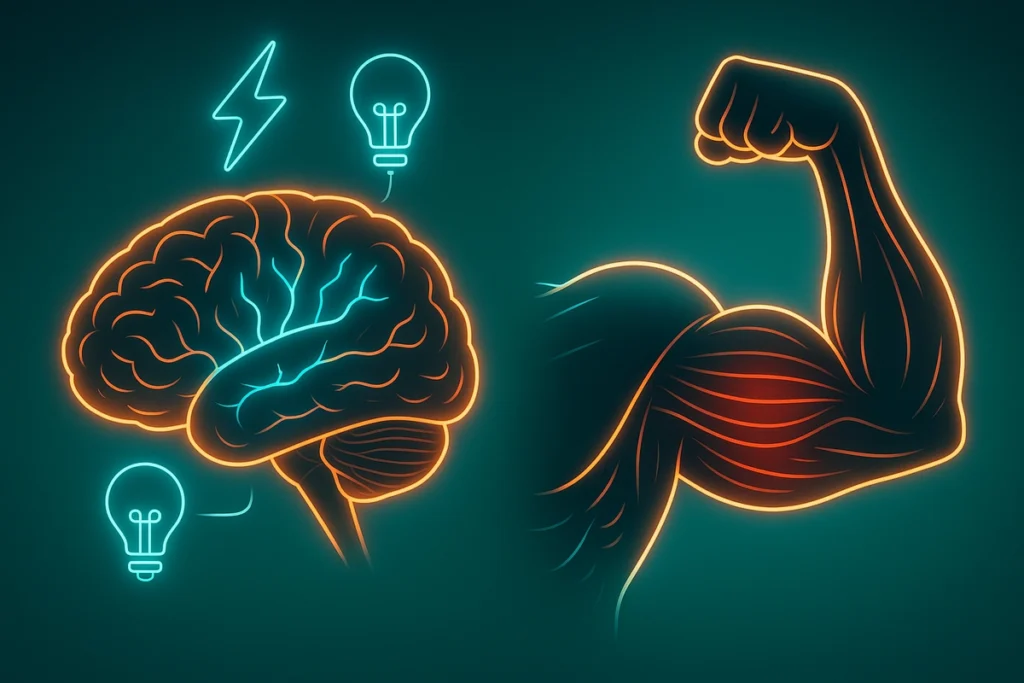
Caffeine stimulates your central nervous system. That means more alertness, faster reaction time, and sharper focus — all critical during intense workouts. It also helps reduce the perception of effort, so those last reps feel a bit easier.
You can learn more about how caffeine enhances mental performance in the gym in this guide on caffeine for mental focus.
Creatine, on the other hand, boosts your ATP production. That’s your body’s primary fuel source for explosive efforts like heavy squats, sprints, or power cleans.
When used together, they complement each other beautifully — one fires up your brain, the other powers your muscles.
Do Caffeine and Creatine Interfere with Each Other?

This is where many people get confused — even some experienced lifters.
There’s an old myth that caffeine cancels out creatine’s effects. But science doesn’t support that. Most research shows no real interference when they’re used together in normal dosages.
In fact, the synergy often leads to better workout performance overall.
In my own experience, I’ve felt stronger and more focused when stacking them — especially on big training days like heavy pull sessions or full-body circuits.
That said, timing and tolerance matter. I once took 300 mg of caffeine with creatine on an empty stomach before a fasted leg day. Big mistake. I felt jittery, had mild cramps, and couldn’t focus.
If you’re sensitive to stimulants, definitely read this article on high caffeine side effects and how to reset caffeine tolerance safely.
You just read everything about creatine. Now let’s make it work for YOUR body.
I’ll design your personalized supplement protocol — exact timing, dosage, and stacking for your specific goal. No templates. No bots. A real coach who reads your answers.
Pay what you want after you receive it. No risk. No pressure.
Does Caffeine Cancel Out Creatine? – Myth vs Science
The old belief that caffeine cancels out creatine’s effects is largely unfounded.
A 2021 systematic review found that the combination of caffeine and creatine actually provides additional performance benefits when caffeine is taken acutely after a creatine loading phase.
While a few studies have hinted at a potential interference during high-dose creatine loading (over 20 g/day), this effect is inconsistent and not seen with the standard daily dose of 5 g.
Claim | Truth |
|---|---|
Caffeine dehydrates you | Not at normal doses (≤400 mg/day) |
Caffeine blocks creatine absorption | No – they work via completely different pathways |
Caffeine reduces creatine’s strength effect | Minimal, if any, and only seen in loading phases |
For an in‑depth, evidence‑based analysis, refer to Examine.com’s summary on caffeine and creatine.
Potential Side Effects of Caffeine and Creatine Stack
Most people tolerate this stack well, but side effects can pop up – usually from caffeine, not creatine.
⚠️ Common caffeine‑related side effects (especially above 200mg or on an empty stomach):
- Jitters, anxiety, racing heartbeat
- Insomnia (if taken late in the day)
- Digestive upset or nausea
⚠️ Creatine‑related side effects (rare at 5g daily):
- Mild bloating or water retention (not fat gain)
- Rare stomach cramps if taken without enough water
📉 How to minimize risk:
- Start with 50‑75mg caffeine to assess tolerance
- Always take creatine with plenty of water
- Avoid caffeine at least 6 hours before bed
- Never stack on an empty stomach (my leg day mistake)
If you experience persistent rapid heartbeat, severe anxiety, or digestive pain, stop using caffeine immediately and consult a doctor. Creatine alone is generally very safe, but the combo amplifies caffeine’s stimulant effects.
Who Should Avoid Caffeine and Creatine Together?

This stack isn’t for everyone.
If you’re new to training, I recommend starting with just creatine. It’s safe, effective, and doesn’t overstimulate your system. Add caffeine later once you’ve built some training consistency and understand how your body reacts under workout stress.
⚠️ You should avoid taking caffeine with creatine – or talk to a doctor first – if any of these apply to you:
- Anxiety or panic disorders
Caffeine can trigger or worsen symptoms. - High blood pressure (hypertension)
Caffeine causes a temporary spike in blood pressure. - Heart conditions
Irregular heartbeat, Palpitations, Heart disease. - Pregnant or breastfeeding
Caffeine crosses the placenta and enters breast milk. Consult your doctor. - Teenagers under 16
Stick with creatine only. Caffeine affects developing brains and sleep more strongly. - Known stimulant sensitivity
You get jittery, anxious, or nauseous even from small amounts of coffee or tea.
If you’re sensitive to caffeine but still want to try the stack, start with a low dose — maybe 50–75 mg — and avoid taking it on an empty stomach.
Or go for more natural energy sources. I’ve put together a guide on natural caffeine sources for pre-workout that works well for people who want gentler options.
Also, some athletes respond better to caffeine before fasted cardio — but this depends on your goals and digestion.
🩺 When in doubt, ask your doctor. This is especially important if you take medication for blood pressure, anxiety, or heart problems.
Best Time to Take Caffeine and Creatine
Here’s what’s worked best for me and my clients:
Training Time | Caffeine Dose & Timing | Creatine Dose & Timing |
|---|---|---|
Morning (6–8 AM) | 150–200 mg, 30 min before | 5g with breakfast or pre‑workout shake |
Afternoon (12–3 PM) | 150 mg, 30 min before | 5g anytime (preferred with lunch) |
Evening (6–9 PM) | Skip caffeine or ≤50 mg | 5g with dinner or post‑workout |
If you train late in the afternoon or evening, skip the caffeine — it can wreck your sleep. Trust me, I’ve been there.
📌 Creatine doesn’t need perfect timing – consistency (5g daily) matters more than the clock.
One of my clients, Hannah from the UK, used to stack creatine with caffeine and a fat burner before her evening workouts.
She ended up with racing heartbeats and trouble sleeping. Once we lowered her caffeine dose and removed the fat burner, everything stabilized.
Takeaway: Caffeine is the variable you adjust. Creatine stays constant.
If you want to learn the best time to take caffeine for workout performance, or how caffeine compares to full pre-workouts, check out this breakdown on caffeine vs pre-workout.
Caffeine and Creatine Dosage: How Much to Take
Getting the dosage right makes all the difference between a great workout and a jittery mess.
- Creatine: 5g monohydrate daily – no need to cycle. Take it any time, every day.
- Caffeine: 150–200mg pre‑workout (about 1.5–2 cups of coffee), taken 20–30 minutes before training.
- Low tolerance? Start with 50–75mg and work up slowly.
⚠️ Warning: Do not exceed 400mg caffeine per day total. That’s roughly 4 cups of coffee or two strong pre‑workout scoops. Overdoing it won’t give you more energy – just more side effects (anxiety, insomnia, heart palpitations).
Stick to these numbers, and you’ll get the boost without the crash.
Frequently Asked Questions
Yes. For most people, it is safe and effective. Caffeine boosts alertness and energy, while creatine supports strength and power.
No. This is a common myth. Research shows no meaningful interference when both are taken in normal doses.
Take 5 grams of creatine monohydrate every day, even on rest days. Timing is less important than consistency.
150 to 200 milligrams about 20 to 30 minutes before your workout. That is roughly one to two cups of coffee.
Start with a low dose of 50 to 75 milligrams. Avoid taking caffeine on an empty stomach, and never exceed 400 milligrams per day total.
Yes. Just check the total caffeine on the label. If your pre‑workout already has 150 to 300 milligrams, do not add more caffeine from coffee or pills.
Yes. Take 5 grams of creatine every single day, regardless of caffeine. Rest days are still important for muscle saturation.
Take caffeine 20 to 30 minutes before training. Take creatine at any time that is easy to remember, such as with your pre‑workout shake or a meal.
No. Caffeine does not block muscle growth from creatine. In fact, better workout performance from caffeine can help you train harder.
People with anxiety, high blood pressure, heart conditions, or stimulant sensitivity. Also pregnant or breastfeeding women, and teenagers under 16 should consult a doctor first.
You may feel jittery, anxious, nauseous, or have trouble sleeping. These side effects come from caffeine, not from an interaction with creatine.
It is better to skip caffeine or take only a very small dose (under 50 milligrams) after 4 PM. Caffeine late in the day can ruin your sleep.
No. Creatine is safe to take daily long term. Caffeine does not need cycling, but taking breaks can help reset your tolerance.
Start with just creatine for two weeks. See how your body feels. Then add a low dose of caffeine only if you need more energy and focus.
Final Verdict: Is the Caffeine + Creatine Combo Worth It?

Yes – for most lifters, absolutely.
If you’re serious about strength, hypertrophy, or HIIT, stacking caffeine and creatine is a proven way to boost both intensity and long‑term gains.
Here’s the bottom line based on the 5 truths:
- They work differently – no cancellation.
- 5g creatine daily + 150‑200mg caffeine pre‑workout is your sweet spot.
- Timing matters for caffeine (30 min before); creatine just needs consistency.
- Skip late‑day caffeine to protect your sleep.
- Side effects come from too much caffeine, not the stack itself.
Real‑world proof:
Take Diego, a powerlifter I coached from Spain. When he added caffeine and creatine before deadlift sessions, his lifts improved within weeks – more reps, better focus, and faster recovery between sets. The stack became his go‑to for meet prep.
The verdict:
So yes – you can take caffeine and creatine together. Do it smart, respect your tolerance, and this duo might become your favorite pre‑workout tool.
👉 Want to optimize recovery too? Learn how caffeine affects muscle recovery and soreness.
Leave a Reply