


Struggling to finish those final rounds of your WOD? When your muscles burn and your lungs scream, beta-alanine for CrossFit and HIIT can be the edge you’re missing.
As a fitness trainer who’s tested it in hundreds of high-intensity sessions, I’ve seen exactly how it delays fatigue and helps athletes push deeper into the pain cave.
In this guide, I’ll break down how it works, how to dose it properly, and how my clients are using it to crush their training. Let’s unlock your next level.
Table of contents
- Does Beta-Alanine Actually Help CrossFit and HIIT?
- How Beta-Alanine Fights Muscle Burn During Intense WODs
- Beta-Alanine Benefits for CrossFit Athletes
- CrossFitters and Coaches Share Their Results
- Optimal Dosage and Timing for CrossFit Performance
- Loading Phase vs. Daily Use: What Works for CrossFit
- Side Effects of Beta-Alanine (and How to Avoid Them)
- Stacking Beta-Alanine with Creatine, Caffeine, and More
- Final Verdict: Is Beta-Alanine Worth It for CrossFit?
- Frequently Asked Questions
Does Beta-Alanine Actually Help CrossFit and HIIT?
If you’re searching for how CrossFit beta-alanine supplementation actually performs in real workouts, you’re in the right place. Anyone who trains HIIT or CrossFit knows that moment—your muscles burn, your lungs scream, and your body wants to quit. That’s exactly where beta-alanine changes the game.
As a fitness trainer who’s used beta-alanine for HIIT and CrossFit sessions extensively, I can say this: yes—it works. You won’t feel a sudden energy surge, but you’ll notice the difference when it matters most: those final rounds, heavy sets, and full-body finishers where you used to break down.
You can also check out my detailed breakdown on the 30-day results of beta-alanine if you’re curious about what to expect.
⚡ All tingling, zero extra reps?
Timing your beta-alanine wrong gives you the itch without the endurance boost.
Turn Tingles Into Gains FreeHow Beta-Alanine Fights Muscle Burn During Intense WODs
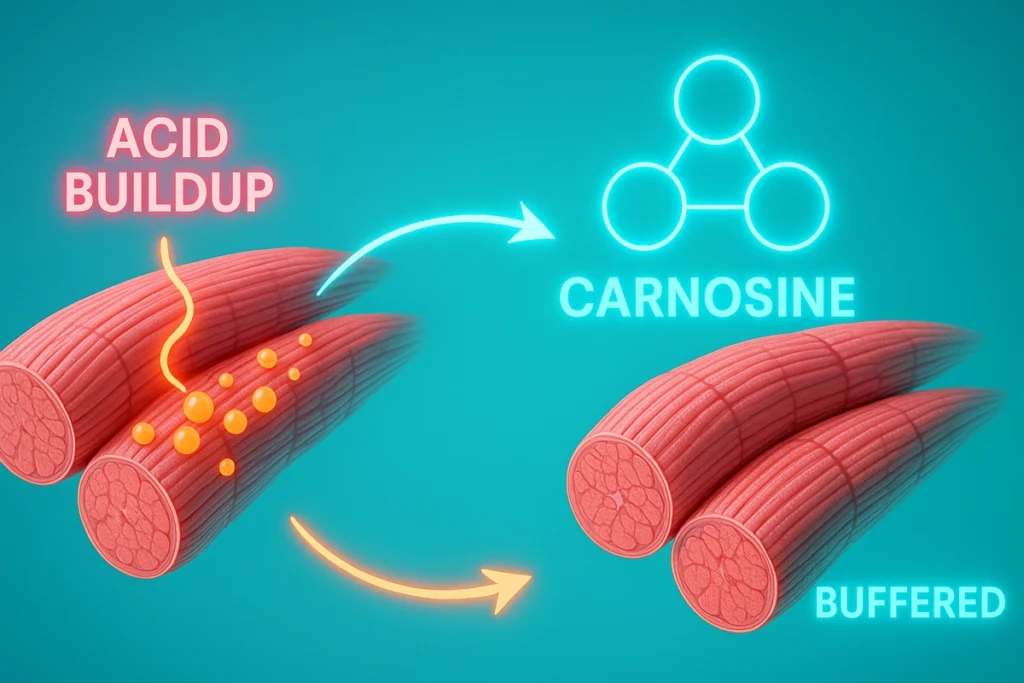
Beta-alanine is a non-essential amino acid that boosts your muscle carnosine levels. Carnosine helps buffer lactic acid buildup in your muscles, which is a major reason for fatigue.
When you’re deep into a WOD or pushing through a brutal HIIT circuit, that acid buildup causes the burn. More carnosine = less burn = more reps.
This beta-alanine and carnosine synergy is what allows you to train longer and harder.
Beta-Alanine Benefits for CrossFit Athletes
From personal experience and real-world feedback, here are the key beta-alanine benefits for CrossFit athletes—and anyone pushing hard in HIIT workouts:
- Longer unbroken sets in WODs – Whether it’s “Fran,” “Cindy,” or an open gym AMRAP, you’ll sustain output deeper into rounds without the muscle burn cutting you short.
- Fewer burnouts during compound lifts – High-rep thrusters, wall balls, and power cleans become more manageable as lactic acid buildup gets buffered.
- Improved workout density – You fit more work into the same time window because rest intervals between movements feel sufficient sooner.
- Stronger finishes in EMOMs and AMRAPs – When the clock is running down and everyone else is fading, you keep moving with better focus and less muscular failure.
These aren’t just lab findings—they show up on the whiteboard.
One of my clients, Jordan, noticed serious improvements in his leg endurance during thrusters. Another, Sofia, prepping for a CrossFit comp, said:
“The fire in my legs kicks in way later now—I can breathe and push longer.”
You can learn more about how it reduces muscle fatigue in my full guide.
Why HIIT Responds So Well to Beta-Alanine
If you’ve ever wondered whether beta-alanine is worth it for HIIT specifically, the answer lies in how your body produces energy during different types of exercise.
During steady-state cardio—like a 5K jog or a long bike ride—your muscles rely primarily on aerobic energy. Lactic acid builds up slowly, and your body has time to clear it. The burn is manageable, and fatigue creeps in gradually.
HIIT is a different animal entirely.
In high-intensity intervals, your body switches heavily to anaerobic glycolysis. This produces energy fast—but it also floods your muscles with hydrogen ions, causing that sharp, rapid pH drop you feel as the “fire” during burpees, sprints, or kettlebell swings. Your muscles seize up. Your output drops. The interval ends before you’re truly done.
This is exactly where beta-alanine for HIIT becomes a game-changer.
By elevating muscle carnosine levels, beta-alanine acts as a pH buffer directly inside the muscle fibers. It neutralizes those hydrogen ions before they shut you down. The result? You sustain peak power across more intervals, recover faster between sets, and finish sessions with less performance decay.
In simple terms: steady-state cardio tests your aerobic engine. HIIT tests your ability to buffer acid. Beta-alanine upgrades that buffer.
That’s why sprint cyclists, CrossFitters doing interval-style WODs, and HIIT athletes across disciplines consistently report deeper round-by-round endurance—not by feeling “energized,” but by delaying the point where their muscles say no.
You just read everything about beta-alanine. Now let’s make it work for YOUR body.
I’ll design your personalized supplement protocol — exact timing, dosage, and stacking for your specific goal. No templates. No bots. A real coach who reads your answers.
Pay what you want after you receive it. No risk. No pressure.
CrossFitters and Coaches Share Their Results

In the gym and online, beta-alanine is trusted by serious HIIT and CrossFit athletes.
My client Lucas from Brazil shaved time off his “Cindy” WOD after one month on beta-alanine.
“I felt stronger in rounds 15 to 20 than I ever have before,” he told me.
For me, it’s a game-changer during sled pushes and high-rep burpees—where stamina and willpower collide.
Curious how it affects women? Here’s a dedicated guide on beta-alanine for women who train hard.
Optimal Dosage and Timing for CrossFit Performance
The sweet spot? 3.2g to 6.4g daily.
I personally take 3.2g split into two doses:
- 1.6g pre-workout (with creatine and caffeine)
- 1.6g later in the day
It’s not about instant energy. You build up carnosine over weeks, so daily use is key. I’ve written more about this in the beta-alanine daily use guide.
Wondering when to take it? Here’s a full breakdown of beta-alanine before or after workout.
Loading Phase vs. Daily Use: What Works for CrossFit
You don’t need a loading phase like creatine. Just take it consistently, daily.
Some clients tried loading aggressively and ended up with intense tingles. Personally, I recommend slow and steady. That’s how you avoid discomfort and still get results.
And yes, it still works even on non-training days. Here’s how to take beta-alanine on rest days properly.
Side Effects of Beta-Alanine (and How to Avoid Them)

Let’s talk tingling—paresthesia.
I’ve felt it—face, arms, sometimes ears. It’s harmless but distracting. To manage it:
- Split your dose
- Take with food
- Try slow-release or caffeine-free formulas
For most people, the tingles fade as your body adjusts.
Stacking Beta-Alanine with Creatine, Caffeine, and More
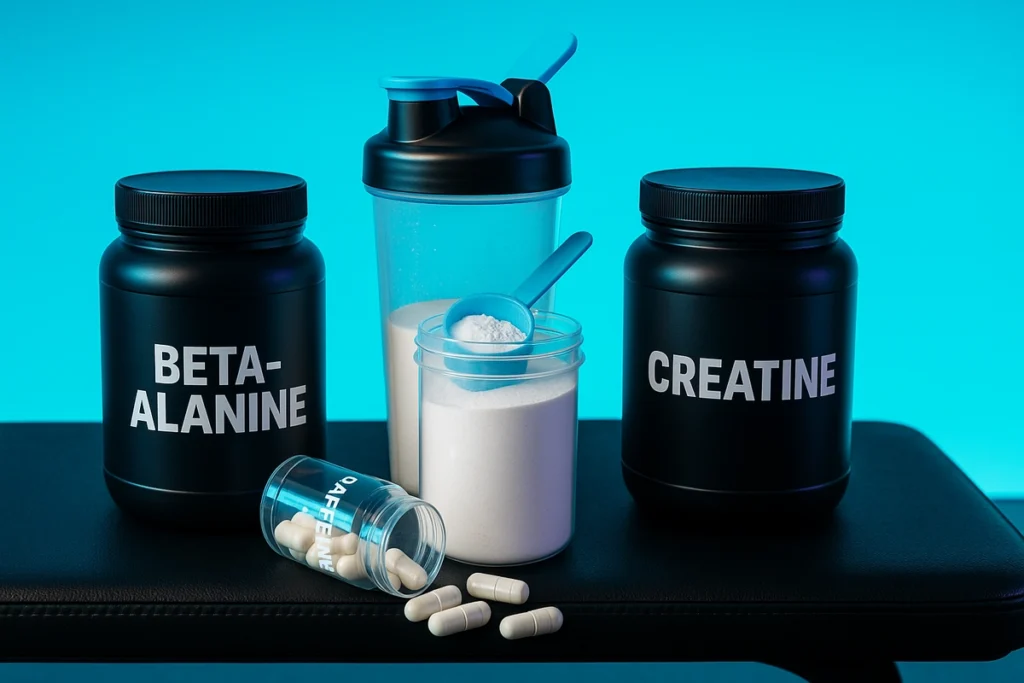
Beta-alanine shines on its own, but it works even better stacked with:
- Creatine (5g) – boosts power and strength
- Caffeine (150mg) – sharpens focus and drive
- Citrulline malate – increases blood flow and endurance
This is my go-to stack when I train CrossFit-style. If you’re wondering how it compares to pre-workouts, check out this comparison article.
Also, if you’re a runner or incorporate sprints into your HIIT, you’ll love this take on beta-alanine for runners.
Final Verdict: Is Beta-Alanine Worth It for CrossFit?
If you’re serious about training harder, longer, and smarter, beta-alanine is 100% worth it.
It’s not a quick fix—but it supports consistency, volume, and progress.
Whether you’re prepping for a competition or just trying to crush your next WOD, this is a supplement I stand by.
For advanced and intermediate athletes, especially, it’s a smart, science-backed performance booster. And yes—I’ll continue using it in my training plans.
Frequently Asked Questions
Yes. Beta-alanine increases muscle carnosine, which buffers lactic acid buildup during high-intensity efforts. This helps you push through more reps and rounds before fatigue forces you to slow down, making it especially useful for AMRAPs, EMOMs, and metabolic conditioning workouts.
Most athletes notice improvements within 2 to 4 weeks of consistent daily use. Beta-alanine works gradually by saturating muscle carnosine stores over time, not instantly. Taking it every day, even on rest days, speeds up this process.
The research-backed daily dose is 3.2 to 6.4 grams. A common approach is splitting 3.2 grams into two smaller doses of 1.6 grams each to reduce tingling and maintain steady carnosine levels.
Timing is flexible because beta-alanine builds up in your system over weeks, not minutes. Taking it pre-workout alongside creatine and caffeine is popular for convenience, but the key is consistent daily intake rather than perfect timing around a single session.
The main side effect is a harmless tingling sensation called paresthesia. You may feel it on your face, arms, or ears. Splitting your dose, taking it with food, or using a slow-release formula minimizes this sensation. It typically fades as your body adjusts.
If your training involves repeated bouts of maximum effort with short rest, beta-alanine is one of the few supplements with solid science behind it for improving performance in exactly those conditions. It helps delay the muscle burn that cuts your intervals short.
Yes. Beta-alanine and creatine work through different mechanisms. Creatine supports short bursts of power and strength, while beta-alanine extends endurance during sustained high-intensity work. Taking both together covers a broader range of CrossFit and HIIT demands.
No. Unlike creatine, beta-alanine does not require a loading phase. Taking a consistent daily dose is enough to gradually raise muscle carnosine levels. Loading can cause more intense and prolonged tingling without significantly faster results.
Yes, and you should. Muscle carnosine levels stay elevated with regular daily intake. Skipping rest days slows down the saturation process. A steady daily habit gives you the best results.
Yes. The physiological mechanism is the same regardless of sex. Women training at high intensity benefit equally from the delayed fatigue and improved endurance beta-alanine provides.
Leave a Reply