

Tired of BCAA supplements loaded with artificial sweeteners that upset your stomach or leave a chemical aftertaste? You’re not alone—and there’s a better way to fuel your workouts.
As a fitness coach who’s tried both clean and artificially flavored formulas, I’ve seen firsthand how removing synthetic additives can improve digestion, energy, and consistency.
In this guide, I’ll reveal the top BCAA supplements without artificial sweeteners or sucralose that actually deliver results—without the junk.
Whether you’re cutting, bulking, or training fasted, these clean options are your best bet for muscle recovery and performance.
Table of contents
- Best BCAA Without Sucralose (Clean & Gut-Friendly Picks)
- Sucralose vs Natural Sweeteners in BCAA Supplements
- Top 5 BCAA Supplements Without Artificial Sweeteners (2026 Picks)
- Why Avoid Artificial Sweeteners in BCAA Supplements?
- Criteria for Choosing a Clean BCAA Supplement
- Comparison of BCAA Supplements Without Artificial Sweeteners or Sucralose
- What to Expect from These BCAAs (Taste, Mixability, Results)
- When and How to Take BCAA for Best Results
- Final Verdict: Who Should Switch to Artificial-Free BCAA?
- Where to Buy BCAAs Without Sucralose or Artificial Sweeteners
- FAQ: BCAA Supplements Without Artificial Sweeteners
- Coach’s Closing Thought
Best BCAA Without Sucralose (Clean & Gut-Friendly Picks)
Many athletes aren’t just searching for BCAAs without artificial sweeteners — they’re specifically looking for BCAAs without sucralose.
Sucralose is the most commonly used sweetener in flavored BCAA powders because it dramatically improves taste.
However, based on my own experience and feedback from clients, it’s also the ingredient most often linked to bloating, stomach discomfort, or a lingering chemical aftertaste, especially when BCAAs are used daily or during fasted training.

That’s why I separate sucralose from other artificial sweeteners and recommend completely sucralose-free BCAA powders for athletes who care about digestion, gut comfort, and long-term consistency.
100% Sucralose-Free BCAA Powders I Recommend
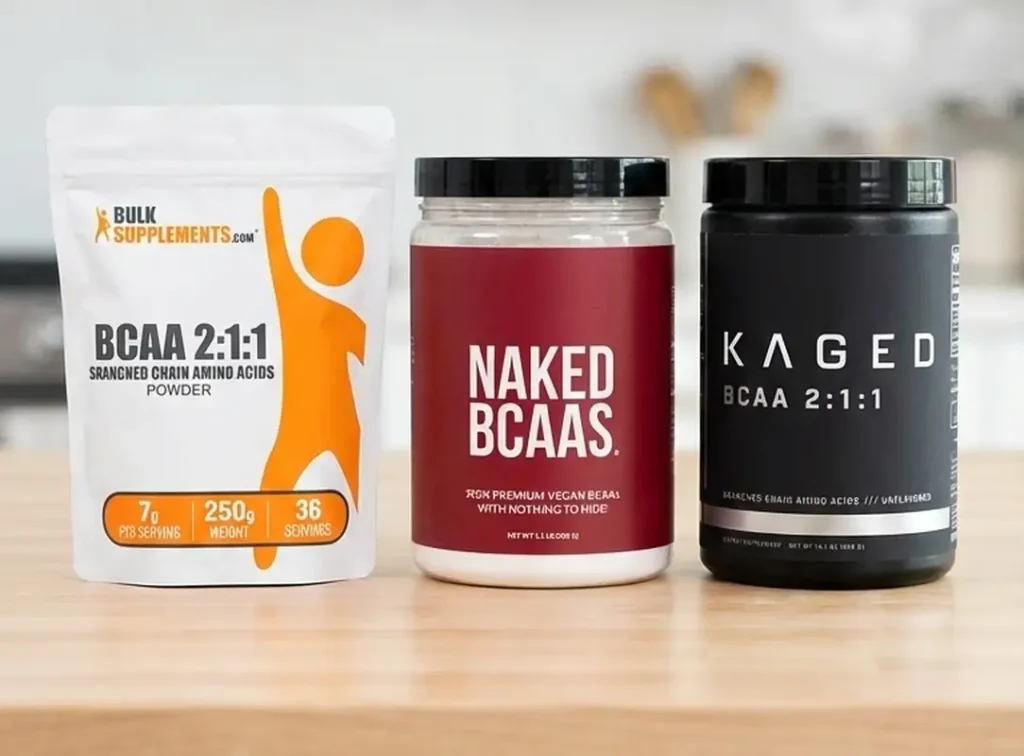
The following BCAA supplements contain no sucralose, no artificial flavors, and no hidden sweetening agents.
- Naked BCAA
A pure, unflavored BCAA powder with nothing added. No sucralose, no flavors, no fillers. This is my go-to choice for fasted workouts and for clients with sensitive digestion who want maximum control over ingredients. - Bulk Supplements BCAA Powder
Another fully sucralose-free option. It’s unflavored and very minimal, which makes it affordable and flexible. I often suggest mixing it with lemon juice or herbal tea to improve taste without adding artificial sweeteners. - Kaged Muscle BCAA (Unflavored Version)
The unflavored version contains no sucralose or artificial flavors and is third-party tested. It mixes well and works well for fasted training, though it’s priced higher than basic powders.
I’ve either used these personally or recommended them to clients who needed the cleanest possible option.
Important note: Flavored versions of otherwise “clean” brands often do contain sucralose. Always check the ingredient label and choose unflavored if avoiding sucralose is your priority.
Sucralose-Free vs Flavored BCAA Powders
Most flavored BCAA powders rely on sucralose to create a sweet, candy-like taste. In contrast, sucralose-free BCAA powders are usually unflavored or lightly sweetened with natural options like stevia or monk fruit.
While sucralose-free BCAAs may not taste as good, many athletes find they are easier on digestion, especially when training early in the morning, during calorie deficits, or while intermittent fasting.
From a coaching perspective, I’ve found that athletes who switch to sucralose-free BCAAs tend to stick with them longer — not because of flavor, but because they feel better using them consistently.
If you’re training fasted or using BCAAs daily, choosing a BCAA powder without sucralose is often the smarter long-term option.
Sucralose vs Natural Sweeteners in BCAA Supplements
Most flavored BCAA supplements rely on sucralose because it delivers a strong sweet taste with zero calories. While this works well for flavor, some athletes prefer to avoid sucralose due to digestive discomfort or sensitivity when BCAAs are used daily.
Natural sweeteners, such as stevia and monk fruit, are often used in cleaner BCAA formulations as an alternative. These ingredients provide light sweetness without relying on synthetic compounds, though they may have a mild aftertaste.
From my experience as a coach, athletes who train fasted or consume BCAAs frequently tend to tolerate unflavored or naturally sweetened BCAAs better over time, even if the taste isn’t as appealing.
Quick Comparison of Sweetener Types
- Sucralose:
Very sweet, no calories, commonly used in flavored BCAAs. Some users report bloating or a chemical aftertaste with regular use. - Stevia:
Plant-derived and calorie-free. Often easier on digestion, but may have a slight herbal aftertaste. - Monk Fruit:
Naturally derived and generally well-tolerated. Typically found in premium formulas and combined with stevia for balanced taste.
Which Is Better for BCAAs?
There’s no single “best” sweetener for everyone. If taste is your top priority, sucralose-sweetened BCAAs are usually more palatable.
If digestion, gut comfort, or fasted training matters more, sucralose-free BCAAs with natural sweeteners—or no sweetener at all—are often the better choice.

Top 5 BCAA Supplements Without Artificial Sweeteners (2026 Picks)
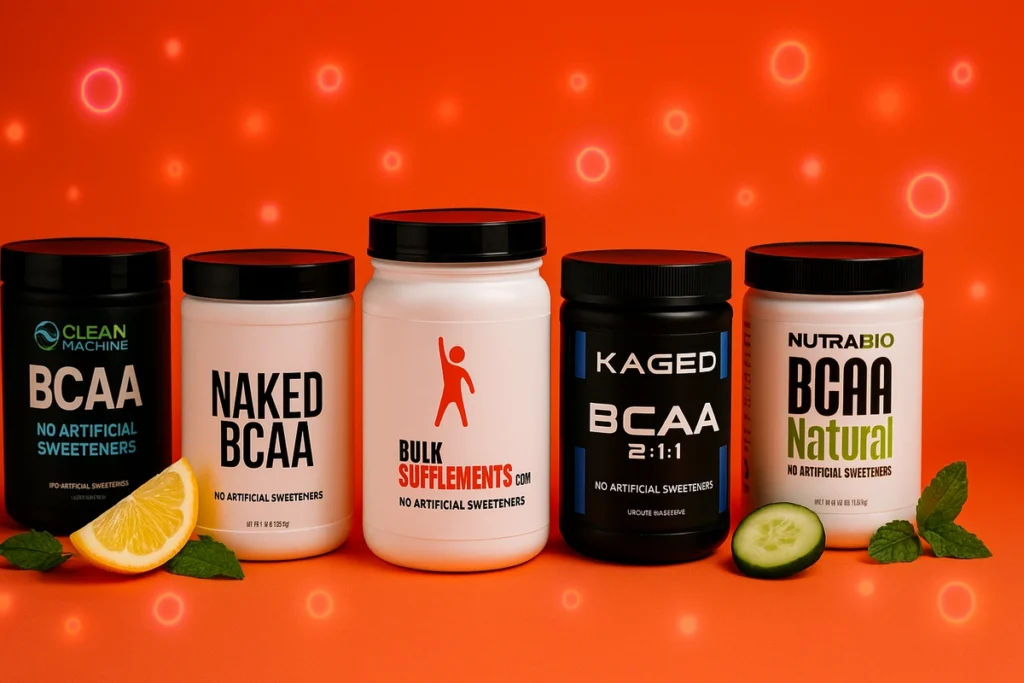
If you’re looking for BCAAs without artificial sweeteners, here are my top 5 picks for 2026:
- Naked BCAA – My go-to. Pure leucine, isoleucine, and valine. No additives, no flavor, just results.
- Kaged Muscle BCAA 2:1:1 (Unflavored) – Great for fasted training. Easy on the stomach and well-researched.
- Bulk Supplements BCAA Powder – A budget-friendly option. I’ve mixed it with lemon juice for clients like Tomás from Spain, who needed a gut-friendly supplement.
- Clean Machine BCAA – Vegan-friendly, clean profile, and ideal for plant-based athletes.
- NutraBio BCAA Natural – Sweetened with monk fruit and stevia. Tastes decent without compromising purity.
These brands stand out because they focus on transparency and skip the artificial junk. They work great for clean bulking, fasted workouts, or anyone with a sensitive gut.
If you’re wondering about how much BCAA to take, this article can help: BCAA Dosage for Athletes
Also If you’re still wondering whether BCAAs are necessary compared to protein powders, check out this deep dive: Do You Really Need BCAAs If You Take Protein Powder?
Why Avoid Artificial Sweeteners in BCAA Supplements?
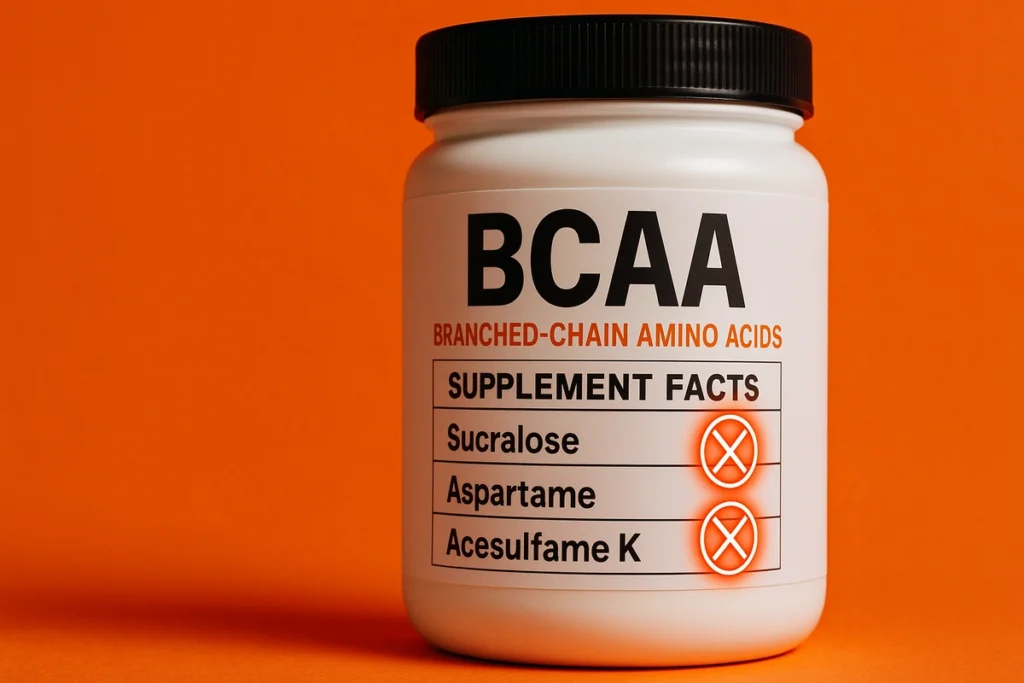
I started avoiding artificial sweeteners a few years ago after noticing bloating and a strange chemical aftertaste during my early morning workouts.
It turns out I wasn’t alone—some of my clients experienced the same thing.
Artificial sweeteners like sucralose, aspartame, and acesulfame-K are common in fitness supplements. While they help with taste, they can sometimes lead to digestive issues, cravings, or headaches—especially when taken daily.
Lena, a client from Sweden, used to feel sluggish after sipping her BCAA drink. Once she switched to a cleaner option, her energy picked up, and the bloating disappeared.
Criteria for Choosing a Clean BCAA Supplement
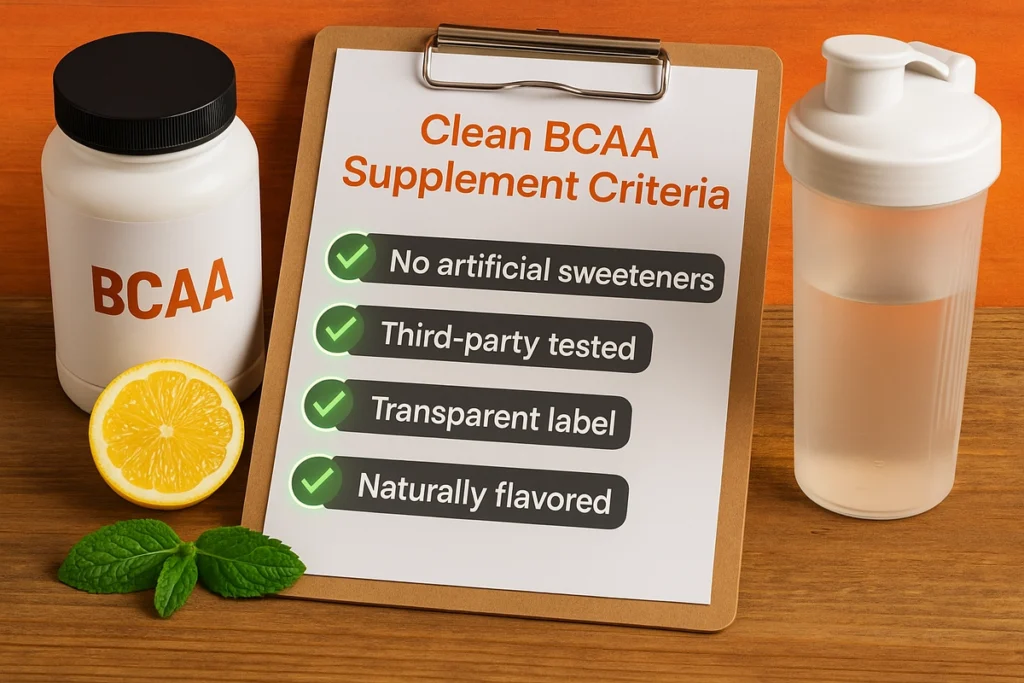
If you’re shopping for a no-nonsense BCAA, here’s what I recommend looking for:
- No artificial sweeteners or flavors
- Third-party tested for purity
- Transparent label (no mystery “blends”)
- Unflavored or naturally sweetened with stevia or fruit extracts
Brands like Naked Nutrition and Kaged Muscle check all these boxes. They keep it simple and effective.
For more on how BCAA use varies by gender and training style, you can read:
👉 BCAAs for Women in Strength Training
Comparison of BCAA Supplements Without Artificial Sweeteners or Sucralose
To make it easier to choose the right option, I’ve compared the BCAA supplements in this guide based on sweetener type, flavoring, and who they’re best suited for.
All of the options below are sucralose-free and avoid artificial sweeteners commonly found in flavored BCAA powders.
Brand | Sucralose-Free | Sweetener Type | Flavored | Best For |
|---|---|---|---|---|
Naked BCAA | Yes | None (Unflavored) | No | Fasted training, sensitive digestion |
Kaged Muscle BCAA (Unflavored) | Yes | None | No | Performance-focused athletes |
Bulk Supplements BCAA Powder | Yes | None | No | Budget-friendly, ingredient control |
Clean Machine BCAA | Yes | Stevia | Yes | Plant-based and vegan athletes |
NutraBio BCAA Natural | Yes | Stevia + Monk Fruit | Yes | Clean taste without sucralose |
These recommendations are based on personal use, label analysis, and feedback from coached athletes. Flavored versions of some brands may contain different ingredients, so always check the label before purchasing.
What to Expect from These BCAAs (Taste, Mixability, Results)
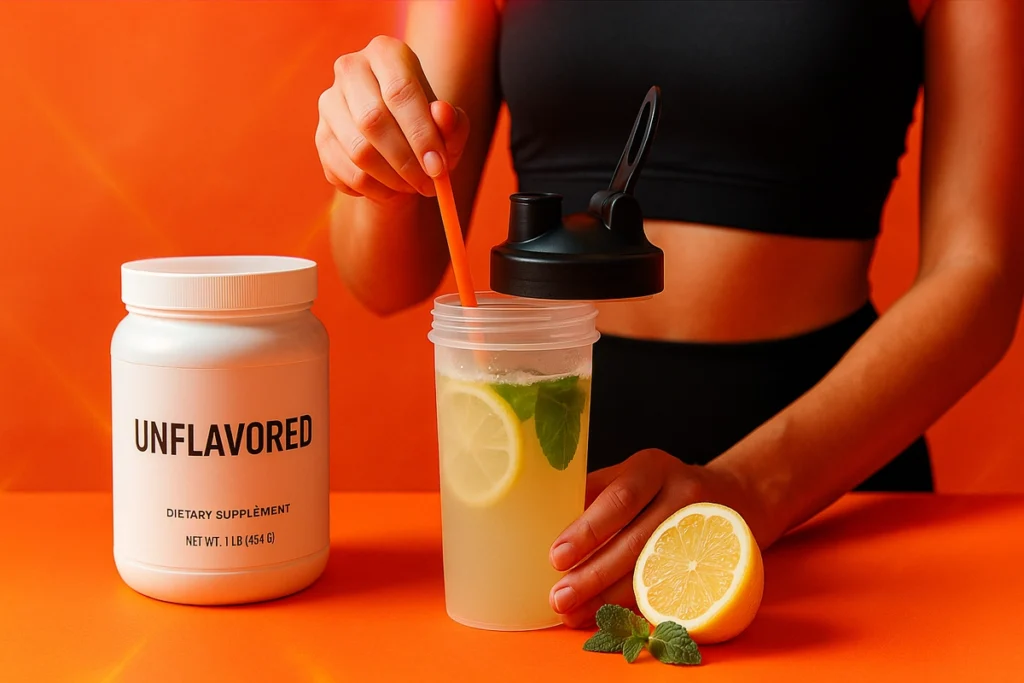
Let’s be honest—unflavored BCAAs don’t taste great.
But the benefits outweigh the blandness. I usually mix mine with lemon juice, pink salt, and sometimes mint. One of my clients, Jasmine from Australia, uses cold herbal tea to flavor hers.
You won’t get that candy-like flavor, but you’ll get clean energy, better recovery, and no gut issues.
If you’re using BCAAs during a fasted workout, make sure you’re doing it right:
👉 Can You Take BCAAs During Intermittent Fasting?
When and How to Take BCAA for Best Results
I often recommend clean BCAAs before or during fasted workouts.
They help preserve muscle and give a slight performance boost—especially during calorie deficits or long cardio sessions.
Dosage Tip:
Stick to 5–10g of BCAAs around your workout. I usually go with 7g before fasted cardio and sip the rest during my session.
For flavor, add lemon slices, cucumber, or a drop of natural stevia—that’s what I use myself and suggest to clients who are just getting started.
Wondering whether to take BCAAs with or without food?
👉 BCAA Timing: With or Without Food?
Final Verdict: Who Should Switch to Artificial-Free BCAA?
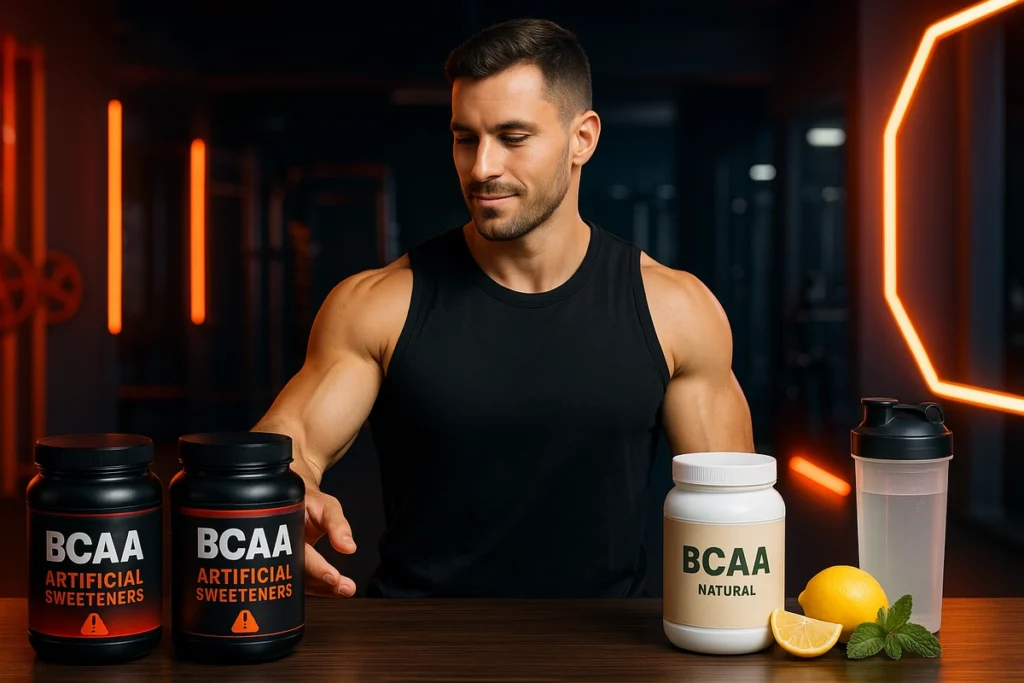
If you’re someone who:
- Deals with bloating or digestive issues
- Cares about gut health and long-term wellness
- Prefers a clean supplement stack
- Trains fasted or while cutting
Then switching to an artificial-free BCAA is 100% worth it.
I’ve used both types over the years, and the difference in how I feel, recover, and perform is noticeable. And my clients agree—it’s a small shift that leads to better long-term results.
Where to Buy BCAAs Without Sucralose or Artificial Sweeteners
Finding a BCAA powder without sucralose or artificial sweeteners isn’t always straightforward, especially since many brands offer both clean and flavored versions under the same product name.
Based on label transparency, consistency, and client purchasing experience, here are the most reliable places to buy sucralose-free BCAAs.
1. Official Brand Websites
Buying directly from the manufacturer is the safest option if avoiding sucralose is a priority.
Why I recommend it:
- Full ingredient transparency
- Clear distinction between flavored and unflavored versions
- Lower risk of formula changes or outdated listings
Brands like Naked Nutrition, Kaged Muscle, and NutraBio clearly list sweeteners on their official product pages, making it easier to verify that the BCAA is truly sucralose-free.
2. Amazon (With Label Checks)
Amazon can be convenient, but it requires extra attention.
What to check before buying:
- Confirm the product is labeled “Unflavored”
- Read the full ingredient list (not just the highlights)
- Check recent reviews for formula changes
Some BCAA products sold on Amazon look clean at first glance but still contain sucralose in flavored versions.
3. Specialized Supplement Retailers
Reputable supplement stores often carry clean, unflavored BCAA powders.
Why they can be useful:
- Better product filtering
- Knowledgeable staff (online or in-store)
- Lower chance of mislabeled products
This option works well for athletes who prefer shopping locally or want help comparing labels.
Important Buying Tip (Very Important)
Even within the same brand, flavored BCAAs often contain sucralose, while unflavored versions do not.
Always read the ingredient label and avoid assumptions based on brand reputation alone.
From a coaching standpoint, I’ve seen many athletes accidentally buy the wrong version simply because they didn’t double-check the sweetener list.
My Personal Recommendation
If your main goal is gut comfort, fasted training, or daily BCAA use, prioritize:
- Unflavored powders
- Minimal ingredient lists
- Clear labeling over taste
It may not taste like candy, but consistency and digestion matter far more in the long run.
FAQ: BCAA Supplements Without Artificial Sweeteners
For many athletes and sensitive individuals, yes. Sucralose is a common artificial sweetener that can cause bloating, digestive discomfort, or a chemical aftertaste. Choosing BCAAs without sucralose helps you train without gut issues and maintain clean supplementation habits.
Absolutely. Clean, unflavored BCAAs (without sucralose or other artificial sweeteners) are ideal for fasted workouts. They provide essential amino acids to protect muscle tissue without breaking your fast or causing stomach upset.
Yes. The taste doesn’t affect their performance. Unflavored BCAAs still deliver leucine, isoleucine, and valine — the key amino acids for muscle recovery. You can add lemon, cucumber, or a natural sweetener like stevia to improve taste.
Not necessarily. If your daily protein intake is already sufficient from whey or whole foods, BCAAs are optional. However, during fasted cardio, cutting phases, or for gut-sensitive individuals avoiding artificial sweeteners, BCAAs can be a convenient addition.
Clean BCAAs are available from reputable online retailers or directly from brands. Examples include:
1. Naked BCAA
2. Bulk Supplements BCAA Powder
3. Kaged Muscle BCAA 2:1:1 Unflavored
Yes. Natural sweeteners like stevia or monk fruit are generally safe and easier on the stomach. They provide mild sweetness without the digestive side effects that some people experience with sucralose or aspartame.
Most athletes take 5–10 grams of BCAAs around workouts. A common approach is 7 grams before fasted cardio and sipping the rest during training. Always mix with water or herbal tea for better absorption and stomach comfort.
Coach’s Closing Thought
Your supplements should support your goals, not work against them.
Clean BCAAs might not taste like candy, but they’ll help your body train harder and recover smarter—without the unnecessary chemicals.
If you want to explore more about muscle soreness, glutamine vs BCAA, or timing strategies, check these out:
Leave a Reply