


If you’ve ever struggled with bloating, gas, or discomfort after a heavy gainer shake, you’re not alone. As a fitness coach, I’ve seen it countless times — athletes chasing calories but ending up with stomach pain instead of muscle gain. The good news? A mass gainer with probiotics can help you bulk up and keep your gut happy.
Most people think mass gainers are only about calories, but your gut health decides whether those calories actually turn into muscle. When your digestion is off, it doesn’t matter how many grams of protein or carbs you take in — your body won’t use them efficiently. That’s why pairing a high-calorie supplement with probiotics can make such a difference.
Let’s break down how it works, what to look for, and why gut health might just be your missing link to clean, consistent muscle growth.
Table of contents
- Can Probiotics Really Improve a Mass Gainer?
- How Probiotics Work in a Mass Gainer
- Key Benefits of a Mass Gainer with Probiotics
- What to Look for in a Probiotic Mass Gainer
- Best Times to Use It for Gut and Muscle Growth
- Natural Alternatives — DIY Gainer + Probiotics
- Coach’s Take: Who Should Use It and Who Shouldn’t
- Coach’s Takeaway
- FAQ Section
Can Probiotics Really Improve a Mass Gainer?
Absolutely. Probiotics can make a huge difference in how your body digests and absorbs nutrients. Traditional gainers are loaded with carbs and protein — sometimes over 1,000 calories per shake — which can overwhelm your digestive system.
Probiotics (like Lactobacillus acidophilus and Bifidobacterium bifidum) restore balance to your gut microbiome, allowing your system to break down nutrients more effectively. This means you experience fewer digestive issues and absorb more of what you consume.
When I started using a probiotic-based gainer in 2022, I immediately noticed smoother digestion and higher energy levels throughout the day.
For years, I’d been coaching athletes who complained about feeling sluggish or bloated on regular gainers, but after switching to probiotic-enhanced ones, most of them finally enjoyed their shakes without discomfort.
If you want to understand how these gainers also help replenish energy after intense workouts, check out the mass gainer glycogen recovery guide. It explains how glycogen refueling supports muscle growth and complements probiotic digestion.
How Probiotics Work in a Mass Gainer
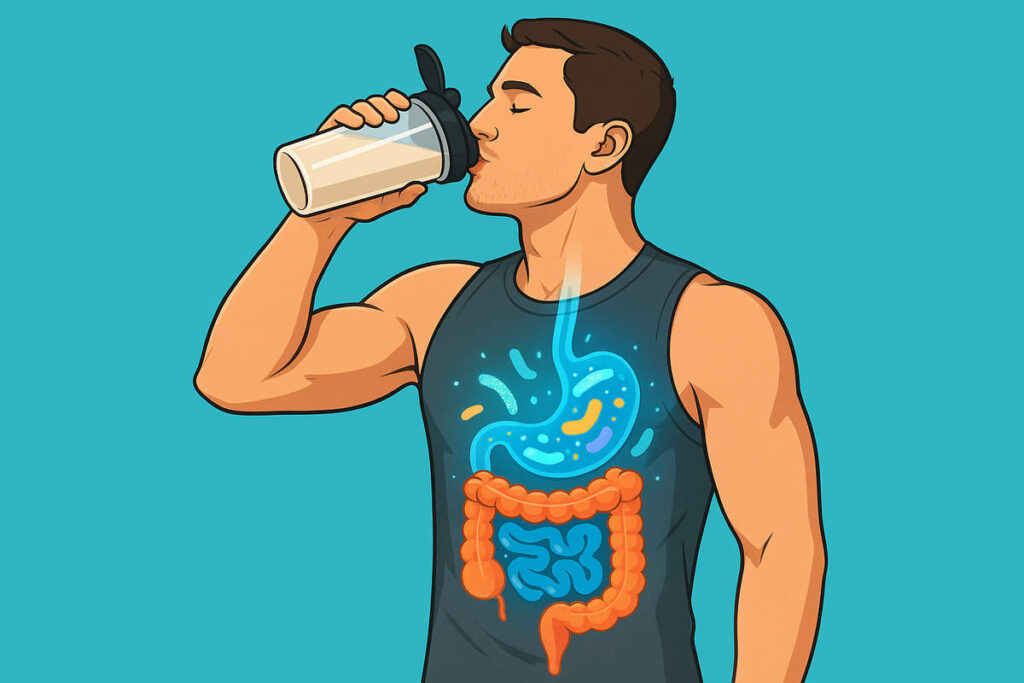
Probiotics are beneficial bacteria that create a healthy gut environment for breaking down and absorbing nutrients. When added to a gainer, they help your body process large amounts of protein, carbs, and fats efficiently — all without overloading your digestive system.
Think of them as “digestive helpers” that reduce the workload on your intestines. They also boost the production of short-chain fatty acids, which are essential for nutrient transport and overall metabolic health.

Stop buying what influencers sell. Start buying what science supports.
Takes 2 Min | No sign-up needed
They improve how your gut handles lactose and fiber — common causes of discomfort in traditional mass gainers. This is especially important for people who are mildly lactose intolerant but still want to benefit from whey-based gainers.
You can also learn more about choosing between mass gainers with vs. without creatine if you’re comparing formulas for maximum efficiency. Probiotics and creatine can complement each other — one supports digestion, the other supports performance.
Key Benefits of a Mass Gainer with Probiotics

Here’s what I’ve observed in myself and my clients over the years:
- Smoother digestion: No more bloating or feeling like your stomach is heavy for hours.
- Better nutrient absorption: You actually utilize more of the protein and carbs you drink.
- Reduced inflammation: A balanced gut can lower systemic inflammation, improving recovery.
- Improved immune function: Probiotics enhance your body’s resilience, especially under training stress.
- Sustained appetite: You’ll feel more comfortable eating your next meal, which helps maintain a calorie surplus.
One of my clients, Daniel from Germany, constantly dealt with bloating from 1,000-calorie shakes. After switching to a probiotic-based gainer, he gained 2.5 kg in one month — with better digestion and zero discomfort.
Another client, Sophia from Canada, used a probiotic gainer during her lean bulk and said it was the first time she could actually enjoy drinking her post-workout shake without feeling nauseous afterward.
If you’re new to bulking and still learning the basics, my mass gainer guide for skinny teen athletes covers how to gain size safely without wrecking digestion. It’s especially useful if you struggle to eat enough calories daily.
What to Look for in a Probiotic Mass Gainer
Not all probiotic gainers are created equal. Here’s what matters:
- Probiotic strains: Look for strains like Lactobacillus acidophilus, Bifidobacterium bifidum, and Lactobacillus rhamnosus. These are well-studied for digestion and immunity.
- CFU count: Choose one that offers at least 1–3 billion CFU (colony-forming units) per serving. Anything less might not deliver significant benefits.
- Digestive enzymes: Enzymes like lactase and protease work synergistically with probiotics to break down proteins and lactose.
- Protein-to-carb ratio: Aim for a ratio around 1:3 for balanced growth.
- Quality ingredients: Avoid gainers filled with added sugars, maltodextrin, or low-quality oils.
From my experience, Optimum Nutrition Pro Gainer with added enzymes and probiotics delivers great results. My clients who’ve used Mass-Tech Elite Probiotic Series also report better digestion and improved muscle fullness.
Before buying, always read nutrition labels on supplements carefully — it helps you identify genuine ingredients and avoid unnecessary additives that may irritate your gut.
Best Times to Use It for Gut and Muscle Growth
Timing is key for optimal results. Based on my experience with both athletes and everyday gym-goers:
- Post-workout: This is the best time for recovery and glycogen replenishment. Your body absorbs nutrients more effectively.
- Between meals: Great for adding calories gradually without feeling too full.
- Before bed (optional): Works for people with fast metabolisms who can tolerate it, but others might prefer a smaller protein shake.
Drink your shake slowly and use cold water or milk. Taking it too fast can overwhelm your stomach. And remember, gainers should supplement your meals, not replace them.
For a sustainable nutrition plan, balance your supplements with whole foods alongside supplements.
This approach supports long-term health, ensuring that your digestive system and metabolism stay in sync while you bulk up.
Natural Alternatives — DIY Gainer + Probiotics
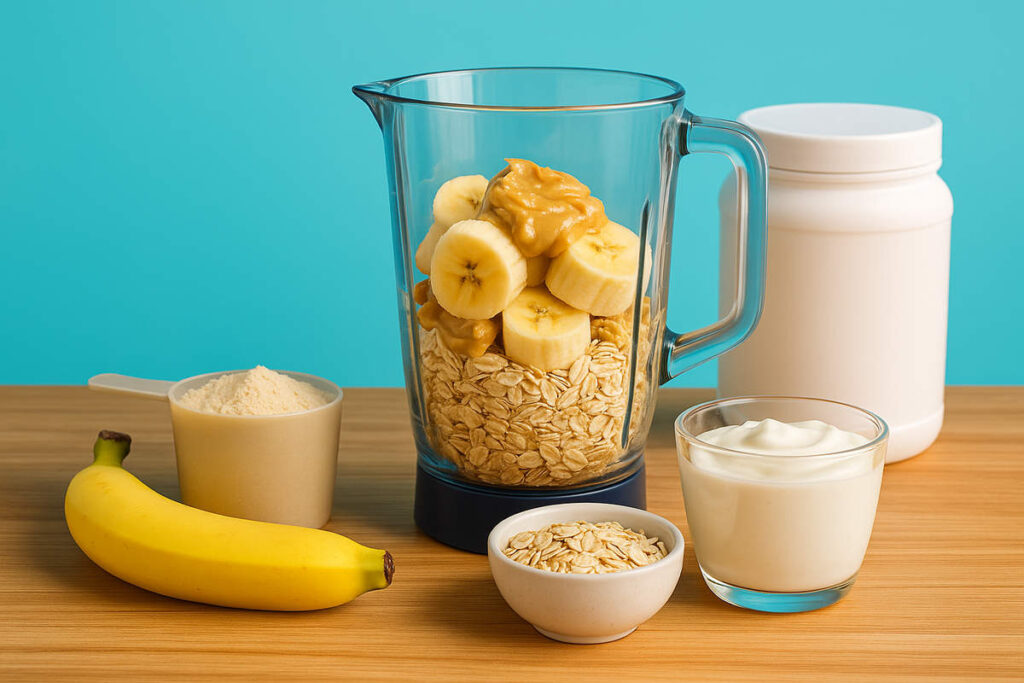
If you’re someone who prefers natural options, creating your own probiotic gainer is easy — and often more cost-effective.
Here’s my go-to recipe for clients:
- 1 scoop of whey protein (or plant-based protein)
- 50–80 g oats
- 1 banana
- 1 tbsp natural peanut butter
- 150 ml probiotic yogurt (or 1 probiotic capsule)
Blend it all together for a creamy, gut-friendly shake. It provides around 500–700 calories depending on your portions.
One of my clients, Maria from Spain, used this homemade version during her 6-week bulk and saw steady weight gain with no bloating or fatigue.
The probiotics from yogurt and the natural fibers from oats worked perfectly for her digestion.
If you’re sensitive to gluten or looking to fine-tune digestion further, check out the gluten-free mass gainer guide. It explains how to avoid common allergens while still hitting your calorie goals.
Coach’s Take: Who Should Use It and Who Shouldn’t

Probiotic gainers are especially beneficial for:

Take this 2-minute assessment & get a science-backed training, nutrition & supplement roadmap built for YOUR body.
🔬 12,000+ personalized roadmaps generated
- Hard gainers who can’t eat enough calories through whole foods
- Athletes who consume high volumes of protein daily
- People with sensitive digestion or mild lactose intolerance
- Anyone who experiences bloating or fatigue after big meals or shakes
However, if you already digest food well and maintain a balanced diet, you might not need a probiotic formula. A regular gainer plus a standalone probiotic capsule can offer similar benefits — especially if your gut is already in good shape.
I’ve coached both types of clients, and the takeaway is clear: the more sensitive your gut, the more you’ll benefit from a probiotic formula.
Coach’s Takeaway
After more than a decade in fitness and nutrition, I can confidently say that probiotic mass gainers are one of the smartest upgrades for anyone struggling with digestion during bulking.
Your gut health directly affects your progress. A healthy digestive system means better absorption, fewer skipped meals, faster recovery, and more consistent energy throughout the day.
I’ve seen athletes go from struggling to finish their shakes to thriving — training harder, eating more, and gaining lean mass faster.
For those who still think gut health isn’t a performance factor, trust me — it is. When your stomach feels light and energized, your workouts improve, your mood stabilizes, and your physique responds faster.
If you’ve been avoiding mass gainers because of digestive problems, try a probiotic-enhanced formula. It could be the difference between feeling stuffed and feeling strong.
FAQ Section
Yes. They help balance gut bacteria and improve digestion, reducing gas and bloating after high-calorie shakes.
Not usually — unless your doctor recommends a higher CFU dose or specific strains for your gut health.
Some are. Look for vegan or lactose-free options that use plant-based proteins and fermented ingredients.
Most people notice improvements within 1–3 weeks — smoother digestion, less bloating, and better muscle fullness.
Absolutely. Combine your favorite protein, carbs, and healthy fats with probiotic yogurt or capsules for a balanced, gut-friendly shake that fits your calorie needs.

Leave a Reply