


Bulking with gluten intolerance can feel impossible. You down a shake, and within an hour you’re bloated and questioning if the calories were worth it.
Here’s what most athletes miss: your “bad digestion” is often hidden gluten. Contaminated oats. Wheat-based thickeners. Barley malt extract buried in the ingredients.
Even trace amounts can sabotage your progress.
But here’s the truth: you can build muscle safely. You just need the right gluten-free gainer.
✅ In this guide, I’ll show you exactly what to look for and which products passed my client testing.
Table of contents
- Top 5 Gluten-Free Mass Gainers We Recommend
- Can Gluten-Intolerant People Use Mass Gainer?
- How to Choose the Right Gluten-Free Mass Gainer
- What Makes a Mass Gainer “Gluten-Free”?
- Best Gluten-Free Carb Sources for Mass Gain
- Best Protein Sources for Gluten-Intolerant Lifters
- My Favorite Gluten-Free Homemade Mass Gainer
- Best Timing for Gluten-Free Mass Gainer
- Common Mistakes Gluten-Intolerant Athletes Make
- FAQ
- Final Verdict
Top 5 Gluten-Free Mass Gainers We Recommend
After analyzing dozens of products based on ingredient quality, gluten-free certification, and real-world client results, these are the five gluten-free mass gainers that consistently deliver.
Product | Calories | Protein | Type | Best For |
|---|---|---|---|---|
NAKED Mass | 1250+ | ~50 g | Whey/Casein blend | Clean high-calorie bulking |
Iron Vegan Athlete’s Gainer | ~720 | 42 g | Plant-based | Certified vegan bulking |
Raw Sport Mass Gainer | ~480 | 46 g | Plant-based + creatine | Lean mass & recovery |
Pole Nutrition Mass Gainer | 2000+ | 52 g | Whey blend | Extreme weight gain |
Revolution Foods Vegan Gainer | 400–480 | 32–46 g | Plant-based | Whole-food style lean bulk |
Can Gluten-Intolerant People Use Mass Gainer?
Yes—but only if the product meets three standards:

- Certified gluten-free
- Clean carb sources
- Made in a safe facility
That bloated, heavy feeling after your shake? It’s not normal. Your digestion isn’t broken. You’ve just been using the wrong product.
What Changes When You Switch
Before | After |
|---|---|
Bloating within an hour | Smooth digestion |
Energy crashes | Consistent energy |
Struggling to hit calories | Easy surplus |
When you finally use a clean, certified formula, everything clicks. You can’t build muscle when your body is fighting what you’re feeding it.
👉 Go Deeper: Mass Gainer Guide for Lean Muscle Growth.
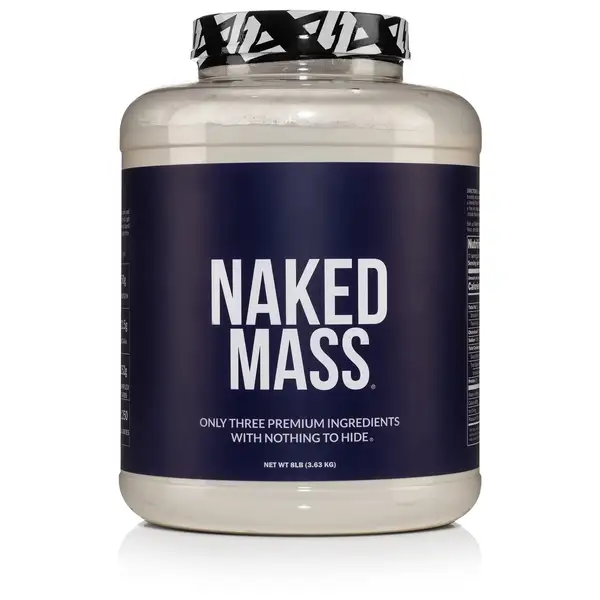
1. NAKED Mass Natural Weight Gainer
Best Overall Clean Gluten-Free Mass Gainer
Why it stands out
- Gluten-free, GMO-free, soy-free, minimal ingredients
- ~1,250–1,360 calories per serving
- ~50 g protein + very high carbs for bulking
- Uses gluten-free tapioca maltodextrin as carb source
User reviews and fitness forums consistently rank it among the cleanest mass gainers with strong calorie support for weight gain.
👉 Best for:
- Hardgainers
- Athletes wanting minimal additives
- People sensitive to artificial sweeteners
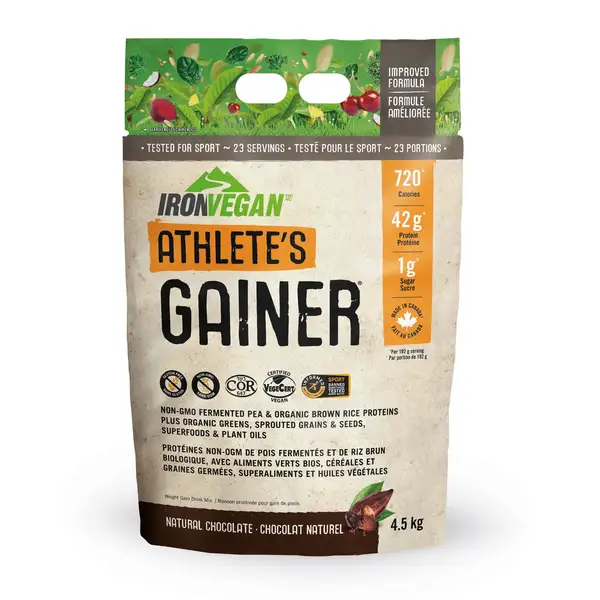
2. Iron Vegan Athlete’s Gainer
Best Vegan & Certified Gluten-Free Option
Key highlights
- Certified gluten-free & Informed Sport tested
- ~720 calories per serving
- 42 g plant protein (pea + rice blend)
- Includes fruit/greens + natural stevia sweetening
It’s often recommended for people wanting cleaner plant-based mass gain formulas with good protein density.
👉 Best for:
- Vegan athletes
- Moderate calorie bulking
- Athletes needing tested supplements
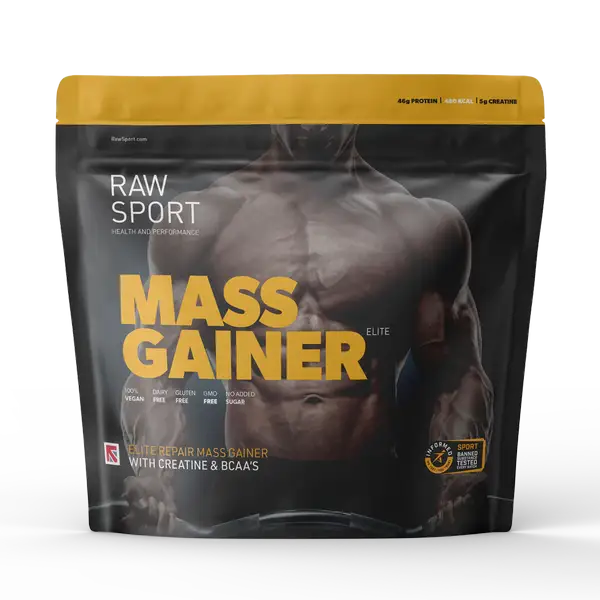
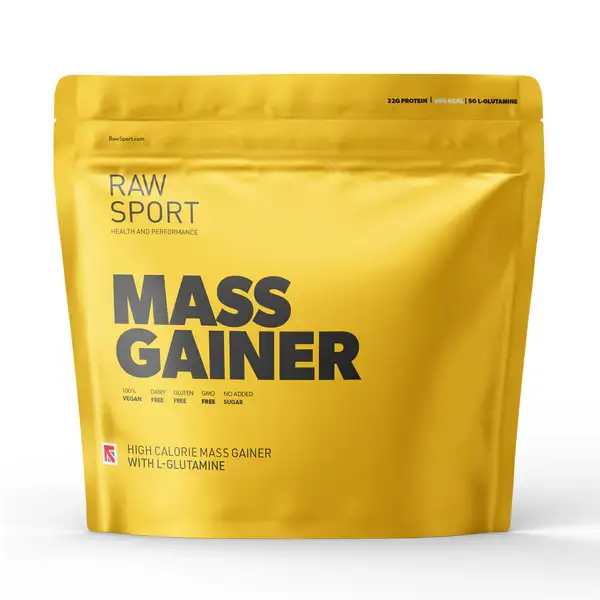
3. Raw Sport Mass Gainer
Best Allergy-Friendly / Multi-Free Formula
Why it’s unique

- Completely gluten-free, dairy-free, soy-free
- ~480 calories + 46 g protein
- Includes creatine, BCAA, glutamine, digestive enzymes
The added digestive enzymes are a game-changer for gluten-sensitive athletes who typically struggle with bloating.
👉 Best for:
- Sensitive digestion
- Athletes wanting functional ingredients
- Lean mass gain approach
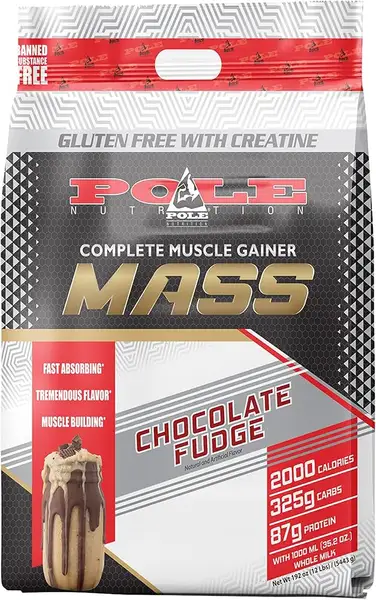
4. Pole Nutrition Mass Gainer
Best Ultra-High-Calorie Gluten-Free Gainer
Main specs
- ~2,000+ calories per serving
- 52 g protein + 325 g carbs
- Added creatine + digestive enzymes
- Independently verified gluten-free
Ideal for extremely high calorie surpluses and aggressive bulking phases.
👉 Best for:
- Extreme hardgainers
- Off-season bodybuilding
- Very high metabolism lifters
5. Revolution Foods Vegan Mass Gainer
Best Whole-Food-Style Vegan Mass Gainer
Highlights
- Uses gluten-free oats + pea protein
- ~406–480 calories per serving
- Includes BCAA, glutamine, fiber-rich ingredients
The gluten-free oats provide steady energy without the blood sugar spike of maltodextrin-based gainers.
👉 Best for:
- Lean bulking
- Whole-food style supplementation
- Daily meal replacement style shakes
Quick Selection Guide
- Need maximum calories? → Pole Nutrition or NAKED Mass
- Have sensitive digestion? → Raw Sport or Revolution Foods
- Want plant-based only? → Iron Vegan or Revolution Foods
- On a budget? → Revolution Foods offers the best cost-per-serving value
How to Choose the Right Gluten-Free Mass Gainer

Finding the right gainer takes more than grabbing something labeled “gluten-free” off the shelf.
I’ve learned this the hard way with clients—and a few lessons from my own early bulk years.
Here’s the system I use when evaluating products for the athletes I coach.
8 Things I Check Before Recommending Any Gainer
Factor | Why It Matters |
|---|---|
Gluten-free certification | “Gluten-free” text means nothing without the logo |
Carb-to-protein ratio | Higher carbs = better for hardgainers; balanced = better for lean bulking |
Carb source | Rice flour, tapioca, GF oats = good. Mystery starches = red flag |
Sugar content | Under 5–10g per serving ideal. Anything higher is just expensive candy |
Protein quality | Whey isolate, pea, rice, or egg white. Avoid proprietary blends that hide amounts |
Creatine (included or not?) | Convenient if you’re inconsistent; unnecessary if you already take it separately |
Mixability | Clumpy shakes = poor ingredients or fillers |
Your calorie target | 500–800 kcal per serving for most; 1000+ only if you’re extreme hardgainer |
Creatine: In the Gainer or Separate?
This question comes up constantly. Here’s my honest take:
Option | Best For |
|---|---|
Gainer with creatine | Athletes who forget to take standalone creatine. Convenience wins here. |
Gainer without creatine | Anyone who already supplements creatine consistently. More flexibility to adjust dose. |
👉 Mass Gainer With vs Without Creatine
Full breakdown if you want to geek out on the details.
Real Client Story: What Hidden Gluten Looks Like
Aarav came to me frustrated. He was doing everything right—training hard, eating big—but his energy tanked an hour after every shake. He assumed he needed more sleep or less stress.
When we pulled up his ingredient list together, there it was: barley malt extract. Buried in the fine print. Not flagged anywhere on the front label.
Within a week of switching to a certified gluten-free formula, his energy came back. No other changes. Just removed the hidden trigger.
Your ingredient list tells the real story. Learn to read it.
What Makes a Mass Gainer “Gluten-Free”?

Here’s what most athletes don’t understand: “Gluten-free” on the front label is a promise. What’s inside the facility determines whether that promise holds.
For someone with celiac disease or high sensitivity, even trace amounts matter. Here’s what real gluten-free requires.
The 4 Non-Negotiables
Requirement | Why It Matters |
|---|---|
Certified gluten-free ingredients | Raw materials must test below 10–20 ppm (parts per million) |
Dedicated facility or strict protocols | Shared equipment = cross-contamination risk |
Safe carbohydrate sources | Rice, tapioca, potato, certified GF oats only—no wheat, barley, or rye derivatives |
Clear allergen disclosure | No hidden starches, no “natural flavors” that could contain gluten |
Where Hidden Gluten Hides
Even clean-looking labels can hide trouble. These are the usual suspects:
Ingredient | What to Watch For |
|---|---|
Thickening agents | Sometimes wheat-based. Look for specific source. |
Flavoring powders | Maltodextrin can be wheat-derived (rare but possible). |
Binding agents | Used in some protein blends. Check for barley or rye. |
Natural flavors | Vague term. Contact manufacturer if you’re highly sensitive. |
Oats | Only safe if certified gluten-free. Regular oats are often cross-contaminated. |
Why Label Reading Changes Everything
I teach every client one skill above all others: how to read a supplement label like a detective.
Not because manufacturers are hiding things maliciously—but because ingredient lists are dense, technical, and easy to skim past.
That “mystery bloating phase” so many gluten-intolerant athletes go through? It’s almost always something buried in the fine print.
If you’re sensitive, don’t trust front labels. Trust:
- ✅ Certification logos
- ✅ Transparent ingredient lists
- ✅ Manufacturers who answer allergen questions clearly
Everything else is a gamble—and your digestion shouldn’t be.
The Only Guarantee: Official Gluten-Free Certification Logos
Here’s the hard truth: “Gluten-free” on the front label means nothing without the logo.
Manufacturers can claim it even when sharing facilities with wheat. For anyone with celiac disease or high sensitivity, that’s a risk not worth taking.
The only real protection? Official certification logos. These mean the product is tested and the facility regularly inspected.
Region | Logo | Certification | Standard |
|---|---|---|---|
USA & Canada | 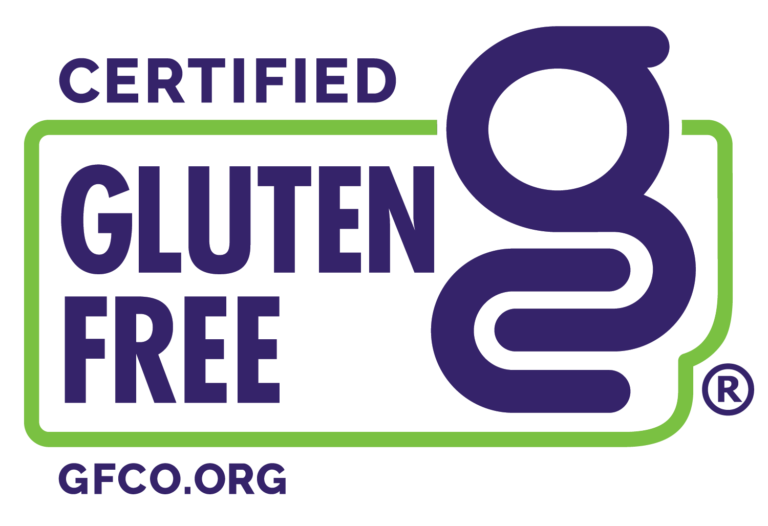 | GFCO Gluten-Free Certification Organization | Tests below 10 ppm (stricter than FDA’s 20 ppm) |
Europe |  | Crossed Grain Symbol EU Official Certification | Backed by strict EU regulations and random testing |
United Kingdom | 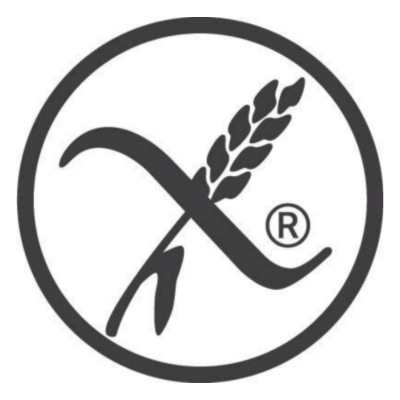 | UK Crossed Grain Post-Brexit Standard | Maintains same rigorous standards as EU certification |
Australia & New Zealand | 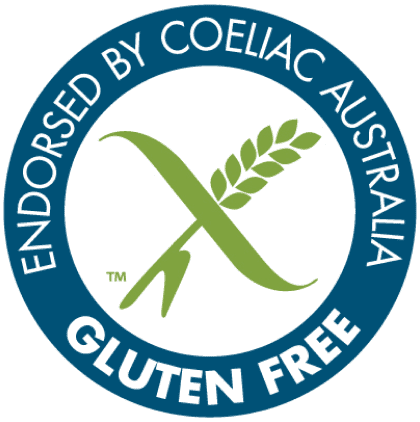 | Coeliac Australia Endorsement Program | Rigorous testing + facility inspections (one of strictest globally) |
Germany |  | DZG Deutsche Zöliakie Gesellschaft | German celiac society endorsement |
Poland |  | Polskie Stowarzyszenie Osób z Celiakią | Polish Celiac Society official certification |
My rule: If you see one of these logos, you’re safe. If you only see “gluten-free” text without the logo, proceed with caution—or choose a certified brand instead.
Best Gluten-Free Carb Sources for Mass Gain

Carbs are the engine of any mass gainer. They fuel surplus, refill glycogen, and keep training intensity high. But for gluten-intolerant athletes, carb source matters as much as quantity.
The Clean Carb List:
Source | Why It Works |
|---|---|
Rice flour | Easy to digest, glycogen-friendly |
Certified gluten-free oats | Steady energy, gut-safe |
Corn-based maltodextrin | Rapid absorption, clean calories |
Potato starch | Gentle on digestion |
Tapioca starch | Smooth texture, no bloat |
These ingredients prevent digestive stress while keeping glycogen topped up—something most athletes underestimate until they lose it.
👉 Mass Gainer Glycogen Recovery Guide
How glycogen impacts strength and fullness.
Real Client Example: Daniel Rossi, a client from Italy, thought every gainer was supposed to feel “heavy.” His digestion said otherwise.
When we switched him to a rice flour-based formula, everything changed. No bloat. No sluggishness. He gained over 3 kg in six weeks—same training, same calories, just cleaner carbs.
The carbs didn’t change his program. They just let his body actually use it.
❌ Avoid | ✅ Choose |
|---|---|
Mystery starches | Rice flour, tapioca, potato starch |
Regular oats | Certified GF oats |
Wheat-based fillers | Corn-based maltodextrin |
Clean carbs = clean gains. Your digestion will thank you.
Best Protein Sources for Gluten-Intolerant Lifters
Here’s the good news: most high-quality protein sources are naturally gluten-free.

The challenge isn’t finding protein—it’s finding protein that hasn’t been contaminated during processing.
After years of coaching sensitive athletes, here’s what I’ve learned about choosing safe, effective protein.
Safest Protein Types for Gluten-Intolerant Athletes
Protein Source | Why It Works | Watch Out For |
|---|---|---|
Whey isolate | Fast absorption, complete amino profile, minimal lactose | Flavored versions may contain additives; choose certified |
Whey concentrate | More affordable, still naturally gluten-free | Higher lactose = potential bloat for sensitive athletes |
Egg white protein | Excellent amino profile, dairy-free | Can be gritty; mix well |
Casein | Slow-digesting, great before bed | Similar contamination risks as whey |
Pea protein | Gentle on digestion, hypoallergenic | Incomplete alone—pair with rice protein |
Rice protein | Easy to digest, neutral taste | Incomplete alone—pair with pea protein |
Pea + rice blend | Complete amino profile, digest-friendly | Best plant-based option for sensitive athletes |
Whey vs Plant-Based: Which Is Better?
This depends entirely on your body, not the marketing.
Whey Isolate | Plant-Based Blend (Pea + Rice) |
|---|---|
Faster absorption | Gentler digestion |
Complete protein naturally | Needs blending for complete profile |
Can trigger bloat if lactose-sensitive | Rarely causes bloat |
More research behind it | Growing evidence, great results |
🔍 Go Deeper: Plant-Based Mass Gainer Blends Guide.
My take: I’ve seen hardgainers thrive on both. The “best” choice is the one your gut tolerates while delivering results.
Real Client Example: Mina Okada
Mina came to me frustrated. She was training hard, eating consistently, but every shake left her heavy and sluggish. She assumed whey just “wasn’t for her.”
We switched her to a pea–rice plant-based blend. Same calories. Same training. Everything else identical.
Within two weeks, her digestion smoothed out. Within two months, she was finally hitting her calorie targets consistently—something she’d struggled with for nearly a year.
Mina didn’t need to try harder. She just needed protein her body could actually use.
What a Gluten-Free Bulking Diet Actually Looks Like

I’ve had clients show up with spreadsheets full of “clean” foods, still struggling to gain weight. The problem wasn’t their effort—it was missing the structure that makes gluten-free bulking work without digestive chaos.
Here’s the template I start most gluten-intolerant clients on. It’s simple, digestible, and hits around 3,200–3,500 calories.
Sample Gluten-Free Bulking Day
Breakfast (~800 kcal)
- 4 eggs scrambled with olive oil
- 2 slices gluten-free toast (look for certified GF)
- 1 banana
- Optional: 1 scoop collagen or whey isolate mixed into coffee
Mid-Morning Shake (Your homemade gainer works perfectly here)
- 1 cup rice flour
- 1 scoop protein
- 1 tbsp MCT oil
- Almond milk
→ Easy 600–700 kcal that won’t sit heavy
Lunch (~850 kcal)
- 200 g chicken thigh or lean beef
- 1.5 cups cooked white rice (easy to digest)
- Large handful spinach sautéed in butter or olive oil
Afternoon Snack (~400 kcal)
- 2 tbsp peanut butter with apple slices
- Handful gluten-free pretzels or rice cakes
Dinner (~850 kcal)
- 250 g salmon or red meat
- 200 g potatoes or sweet potatoes
- Roasted veggies with generous oil drizzle
Before Bed (Optional ~300 kcal)
- 1 cup full-fat Greek yogurt (if dairy works for you)
- Or half serving of your mass gainer
Why This Works for Gluten-Intolerant Lifters
Strategy | Why It Matters |
|---|---|
Rice and potatoes as primary carbs | Naturally gluten-free, gentle on digestion, refill glycogen effectively |
Fats added strategically | Olive oil, butter, MCT oil boost calories without volume—crucial when you can’t rely on processed foods |
Protein spaced evenly | Prevents overload in one meal, which often triggers bloating |
Gluten-free oats or rice flour in shakes | Clean carbs that don’t spike inflammation |
Real Client Example
I was eating 4,000 calories a day but staying lean—and miserable. Turned out my oat-based snacks weren’t certified gluten-free. Once we switched to rice cakes and certified GF oats, I gained 3 kg in five weeks without stomach pain.
— Liam, client from Australia
One Rule to Remember
Whole foods first, shakes second—but for gluten-intolerant athletes, both need to be clean. If your gut feels off, don’t just push through. Check labels. Question ingredients. Your body is telling you something.
My Favorite Gluten-Free Homemade Mass Gainer

I love commercial gainers when they’re clean. But for gluten-intolerant athletes, sometimes the safest option is the one you make yourself.
Total control. No hidden ingredients. No guessing games.
Why Homemade Wins for Sensitive Athletes
Benefit | Why It Matters |
|---|---|
100% ingredient control | You know exactly what goes in—no mystery starches |
Customizable calories | Need 600 kcal? 900? Adjust and go |
Digestion-friendly | No thickeners, binders, or contaminated additives |
Cost-effective | Fraction of the price of premium commercial gainers |
Whole-food optional | Perfect for athletes who prefer real food over powders |
My Go-To Recipe: The “Clean Bulker”
This is the recipe I’ve given to dozens of clients. It digests clean, tastes great, and hits that calorie sweet spot without the bloat.
Ingredient | Amount | Why |
|---|---|---|
Rice flour | 1 cup | Clean, easily digested carbs—glycogen fuel |
Whey isolate or vegan protein | 1 scoop | Fast-absorbing protein, minimal lactose |
Banana | 1 whole | Potassium, texture, natural sweetness |
MCT oil | 1 tbsp | Clean calories, no digestion stress |
Almond milk or water | 12–16 oz | Base liquid (unsweetened almond milk adds creaminess) |
Approximate totals: 700–800 kcal | 40–45g protein | 100–110g carbs | 20–25g fat
How to Customize
Goal | Adjustment |
|---|---|
Higher calories | Add peanut butter or increase MCT oil |
More protein | Use 1.5 scoops protein or add collagen |
Lower carbs | Reduce rice flour to ½ cup, add more fats |
Dairy-free | Use pea protein + rice protein blend |
Better mixability | Blend with ice, not just a shaker cup |
Real Client Story: Lucas Meyer
Lucas came to me frustrated. Years of training, consistent eating, but his weight never budged. Every shake left him bloated for hours.
We stripped it all back. No commercial gainers. No “clean” oat powders. Just this simple rice flour recipe.
Within weeks, his digestion smoothed out. Within two months, he’d gained 4 kg—his first real progress in years.
The problem wasn’t his metabolism. It was his ingredients.
Lucas’s Simple Rule: If I can’t pronounce it, I don’t put it in my shake.
Best Timing for Gluten-Free Mass Gainer

Timing doesn’t replace consistency, but it can dramatically improve results, especially for gluten-intolerant athletes who need steady calorie intake without upsetting the stomach.
The most effective times include post-workout, at breakfast, or between meals. That window keeps blood sugar stable and makes it easier to achieve a calorie surplus.
Some athletes also use multiple smaller servings instead of one large shake, which can help prevent digestive overload.
For athletes who prep shakes in advance, I always recommend checking the Mass Gainer Storage Guide so the texture stays smooth and safe.
Common Mistakes Gluten-Intolerant Athletes Make

After years of coaching sensitive athletes, I’ve noticed a pattern: the same mistakes keep showing up.
The good news? They’re all avoidable once you know what to look for.
5 Mistakes I See Every Week
Mistake | Why It Backfires | How to fix It |
|---|---|---|
Trusting regular oats | Almost always cross-contaminated. “Gluten-free oats” without certification = gamble. | Use only certified GF oats or switch to rice flour. |
Downing huge servings at once | Even clean gainers can overwhelm sensitive guts in one sitting. | Split into 2 smaller shakes or sip slowly. |
Choosing sugary gainers | High sugar = inflammation + energy crashes, not clean fuel. | Aim for <5–10g sugar per serving. |
Ignoring early symptoms | Brain fog, fatigue, mild bloating—your body warning you. | Listen. Switch products at first sign. |
Relying on shakes without whole foods | Shakes supplement meals, not replace them. | 1–2 shakes max per day. Real food first. |
The Root Cause: Not Reading Labels Properly
Most mistakes trace back to one thing: not knowing what’s actually in the container.
Proprietary blends. Vague “natural flavors.” Hidden barley derivatives. If you’re not analyzing the ingredient list like a detective, you’re trusting the manufacturer to keep you safe.
And honestly? That trust gets broken a lot more often than you’d think.
Quick Reference: What to Stop, What to Start
❌ Stop Doing This | ✅ Start Doing This Instead |
|---|---|
Trusting “gluten-free” text | Looking for certification logos |
Drinking huge shakes fast | Sipping or splitting servings |
Ignoring mild symptoms | Switching products immediately |
Guessing at ingredients | Reading labels like a detective |
Living on shakes | Prioritizing whole foods first |
FAQ
No. Whey isolate and concentrate are naturally gluten-free. But flavored whey gainers may contain gluten in additives, so always check the label or buy certified.
Yes, but only if the product is certified gluten-free. “Gluten-free” on the label without a logo is not enough.
Only when the oats are certified gluten-free. Regular oats are almost always cross-contaminated.
Rice flour, certified GF oats, tapioca starch, potato starch, and corn-based maltodextrin. These digest clean and refill glycogen effectively.
Yes. Bloating usually comes from lactose if you’re sensitive, too much sugar, giant servings at once, or ingredients that just don’t agree with you. Gluten-free doesn’t automatically mean bloat-free.
The best one is certified gluten-free and matches your calorie needs. For lean bulking, look for 400–600 calories per serving. For moderate gains, 600–900 calories. For extreme hardgainers, 900–1300+ calories. Check our Top 5 picks above for specific recommendations.
Look for certification logos. In the US and Canada, look for GFCO which tests below 10 ppm. In Europe and the UK, look for the Crossed Grain symbol. In Australia, look for Coeliac Australia endorsement. In Germany, look for the DZG logo. In Poland, look for the Polish Celiac Society symbol. If there’s no logo, there’s no guarantee.
Absolutely. Muscle growth depends on calories, protein, and training, not gluten. Thousands of athletes build mass successfully without it.
Blend 1 cup rice flour, 1 scoop protein (whey isolate or pea/rice blend), 1 banana, 1 tbsp MCT oil, and 12–16 oz almond milk. This gives you about 700–800 calories with no hidden ingredients.
The best times are post-workout for glycogen refill, at breakfast if you struggle to eat early, or between meals to hit your calorie surplus. Sip slowly, and split into two smaller shakes if one serving feels heavy.
“Gluten-free” on the label is just the manufacturer’s claim with no outside verification. “Certified gluten-free” means the product has been tested by a third party and the facility has been inspected. Certified products have minimal to no risk of cross-contamination.
Yes. Many gluten-sensitive athletes tolerate certified gluten-free gainers well. Start with a small serving and see how you feel.
Ja. Achten Sie auf das offizielle durchgestrichene Ähre-Symbol. Das ist der einzige echte Schutz vor Verunreinigung. Verstecktes Gluten findet sich oft in Gerstenmalzextrakt oder Aromen.
Busca el sello oficial “Sin Gluten” certificado por una organización reconocida en tu país, como ANMAT en Argentina o FACE en España. Marcas internacionales como NAKED o Iron Vegan suelen ser confiables.
Tak, ale tylko z oficjalnym oznaczeniem “Przekreślony Kłos”. Uważaj na produkty bez certyfikatu, ponieważ nawet śladowe ilości pszenicy na liniach produkcyjnych mogą zaszkodzić. Szukaj marek z międzynarodowymi certyfikatami.
Final Verdict
Gluten-intolerant athletes can absolutely build muscle with mass gainers. The key isn’t avoiding supplements altogether—it’s choosing the right ones.
After coaching dozens of clients through this exact struggle, here’s what I know for sure:
- Clean, certified formulas work. They deliver calories without the crash, protein without the bloat, and energy without the brain fog.
- Your body tells the truth. That heavy feeling after a shake? That’s not “part of bulking.” That’s feedback. Listen to it.
- Small adjustments create big results. Switch the brand. Change the carb source. Split the serving. Sometimes the smallest tweak unlocks months of stalled progress.
One Thought to Carry With You
I’ve watched athletes spend years thinking they had “bad digestion” or a “slow metabolism.” In almost every case, the problem wasn’t them—it was hidden gluten in products they trusted.
You don’t need a different body. You need different ingredients.
When your digestion smooths out, bulking becomes easier. Not because the math changes, but because your body finally stops fighting the fuel.
Choose clean. Check for the logo. Trust how you feel.
Your gains are waiting.
Leave a Reply