


If you’re training hard but still feel sore, tired, or bloated — it’s time to look at what’s happening inside your body.
Meet L-Glutamine, one of the most underrated amino acids for recovery, digestion, and immune strength. It’s not just another “fitness supplement” — it’s a foundational nutrient that keeps your body performing at its best.
Research shows glutamine can boost recovery, protect muscle tissue, and even improve gut health — especially when training intensity or dieting puts your body under stress.
In this complete guide, I’ll break down what glutamine does, how to take it, real results from my coaching clients, and how it compares to creatine, BCAAs, and protein for total recovery.
Table of contents
- What Is L-Glutamine (Quick Answer)
- What Does L-Glutamine Actually Do?
- Proven Benefits of L-Glutamine for Athletes
- How and When to Take L-Glutamine
- Natural Food Sources of Glutamine
- L-Glutamine for Gut and Immune Health
- Possible Side Effects and Safety
- Best L-Glutamine Supplements to Buy
- My Personal Experience With Glutamine
- Final Takeaway
- FAQs
What Is L-Glutamine (Quick Answer)
L-Glutamine is one of the most abundant amino acids in the human body and plays a crucial role in muscle recovery, immune health, and gut integrity. It’s known as a conditionally essential amino acid, meaning your body can normally make enough of it — but when you’re under heavy physical stress, intense training, or calorie restriction, your natural production may not keep up with demand.
In simpler terms, glutamine acts as the body’s repair fuel. It’s like a silent worker behind the scenes, constantly helping rebuild muscle tissue, strengthen your immune response, and maintain your intestinal lining. Without enough of it, your recovery slows, your immune defenses weaken, and your digestion can take a hit.
During intense exercise, glutamine levels can drop drastically. According to a PubMed review on physical activity and glutamine metabolism, strenuous exercise significantly lowers plasma glutamine concentration because your muscles and immune cells consume it faster than your body can produce it. This depletion is one of the main reasons why bodybuilders, endurance athletes, and even people under high stress turn to supplementation.
If you want a detailed breakdown of how glutamine compares with creatine in terms of performance, recovery, and overall muscle growth, check out this analysis on creatine and glutamine benefits and side effects.
Food sources like chicken, beef, eggs, tofu, and dairy provide some glutamine, but if you’re training consistently or cutting calories, your body may still need more. That’s why many athletes — including myself — use glutamine supplements daily to maintain steady levels and support faster recovery.
What Does L-Glutamine Actually Do?

At its core, glutamine functions as a cellular repair agent and immune modulator. It helps regulate nitrogen balance, which is essential for protein synthesis, and fuels rapidly dividing cells such as those in the gut and immune system.
In other words, glutamine keeps your body in a recovery state. It’s not just about building muscle; it’s about maintaining the systems that make muscle growth and recovery possible. When glutamine levels are low, your body may struggle to repair tissues, absorb nutrients, and fight inflammation effectively.
One of glutamine’s most powerful roles lies in gut health. Your intestinal cells rely heavily on glutamine as their main source of energy. When you diet hard, eat lots of protein, or consume fewer carbohydrates, the intestinal lining can become inflamed or “leaky.” L-Glutamine helps reinforce this barrier.
A 2023 review on leaky gut and therapeutic ingredients confirmed that glutamine strengthens tight junctions in the intestinal lining and reduces inflammation — helping prevent digestive discomfort, bloating, and nutrient malabsorption. For athletes or anyone who experiences gut issues during dieting, this makes glutamine a true game-changer.
If you’re deciding between glutamine and BCAAs for recovery, here’s a helpful comparison: BCAA vs. Glutamine for Muscle Recovery. Both can support recovery, but glutamine adds the digestive and immune benefits BCAAs don’t offer.
I learned this firsthand. Early in my bodybuilding journey, I believed soreness meant growth. I pushed hard six days a week, barely recovered, and dealt with constant fatigue and bloating.
When I introduced glutamine — post-workout and before bed — the difference was incredible. My digestion stabilized, my energy returned, and I could finally train hard without feeling wrecked the next morning.
Proven Benefits of L-Glutamine for Athletes

1. Faster Recovery and Reduced Soreness
Every athlete knows the post-workout soreness that hits 24–48 hours after training. That soreness (DOMS) results from microtears in muscle fibers and inflammation — and glutamine can help.
In a 2019 Nutrients review on glutamine as an anti-fatigue amino acid, researchers found that glutamine supplementation enhances glycogen resynthesis and tissue repair. That means muscles recover faster, fatigue decreases, and training consistency improves.
If you already take other recovery supplements like creatine or protein, glutamine pairs well with them. Learn more about ideal combinations in taking protein, creatine, and glutamine together.
I’ve seen the results both in myself and my clients. During one of my competition prep phases, I was training twice a day with low carbs. Glutamine became my safety net. I recovered faster, slept better, and noticed I could handle more volume without burning out.
2. Prevents Muscle Breakdown (Anti-Catabolic)
When your body runs low on glutamine, it starts pulling it from muscle tissue — breaking down protein to free up amino acids for energy and immune function. That’s why supplementing is especially valuable during cutting or high-intensity training phases.
For instance, my client Lukas from Germany was deep into a calorie deficit and losing strength. After adding 10 g of glutamine daily, his recovery improved dramatically. His soreness subsided, and he maintained muscle even as his body fat dropped.
Glutamine works by stabilizing nitrogen balance and reducing cortisol-related muscle breakdown. It’s one of the reasons I recommend it in almost every cutting phase — especially for athletes combining strength and cardio training.
3. Strengthens the Immune System
Intense training can temporarily weaken your immune system, making you more vulnerable to colds and fatigue. Glutamine helps prevent that by fueling white blood cells, which depend on it as their main energy source.
According to a 2018 Nutrients review on glutamine and immune function, glutamine supports immune cell proliferation and antioxidant defense while reducing inflammation. Keeping levels stable means your immune system can recover and protect you better, even under high training stress.
This is particularly useful during cutting or travel phases, when sleep and nutrition may not be perfect. I’ve noticed clients who supplement glutamine rarely experience mid-program burnout or seasonal illness compared to those who skip it.
4. Supports Gut Health and Digestion
Gut health plays a huge role in performance, recovery, and even fat loss. When your digestion is off, you absorb fewer nutrients — meaning your body can’t recover or build muscle efficiently.
Glutamine nourishes the intestinal lining, helping it regenerate and stay strong. It also acts as an anti-inflammatory nutrient for the digestive tract. Many athletes who experience bloating or discomfort from high-protein diets find glutamine helps balance things out.
This gut-protective effect becomes even more noticeable during dieting phases with less fiber or variety. When I prep for photoshoots or competitions, glutamine is one of my key supplements to maintain digestion and energy.
5. Enhances Endurance and Focus
L-Glutamine may also contribute to endurance by supporting electrolyte balance and energy metabolism. When combined with other amino acids or electrolytes, it helps maintain hydration and focus during long workouts.

Take this 2-minute assessment & get a science-backed training, nutrition & supplement roadmap built for YOUR body.
🔬 12,000+ personalized roadmaps generated
If your goal is fat loss or endurance, you’ll find more comparisons in BCAA vs. Glutamine Cutting Benefits. It’s a solid breakdown of when each supplement performs best and how they complement each other.
How and When to Take L-Glutamine
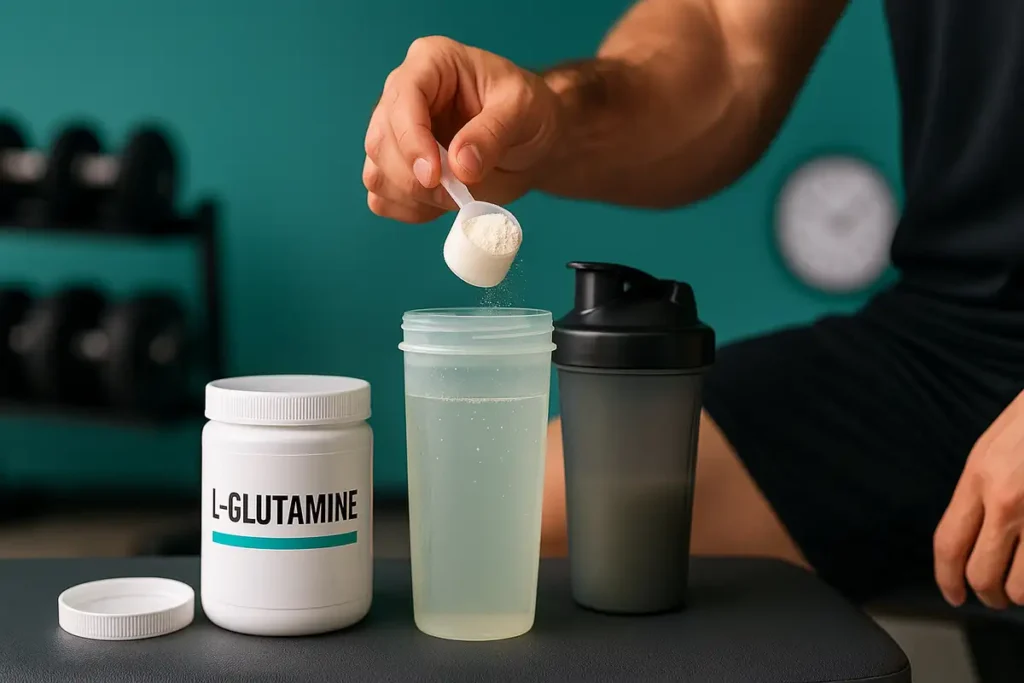
The right timing and dosage can make a big difference. For most people, 5–10 grams per day is enough to see results, but advanced athletes may go slightly higher depending on recovery needs.
Here’s what I recommend:
- 5 g post-workout with whey protein and creatine
- 5 g before bed to support overnight recovery and gut repair
If you train fasted, taking glutamine on an empty stomach can help preserve muscle mass. I’ve covered the science behind this strategy in Taking Glutamine on an Empty Stomach — Real Benefits.
For digestion or gut health goals, try 3–5 g before meals. Split your daily intake into smaller servings for better absorption.
Consistency matters more than timing, but combining it strategically enhances its effects. For instance, when stacked with BCAAs or creatine, it supports both recovery and hydration. Learn optimal timing in BCAA and Glutamine — Best Time and How to Take.
You can also fine-tune your intake with the help of my complete guide on the best time and dosage for L-Glutamine.
Choose micronized or fermented powder for better solubility and purity. Capsules are fine for travel, but powder blends more easily into protein shakes.
Natural Food Sources of Glutamine

You can get glutamine naturally from foods like chicken, turkey, beef, eggs, fish, and dairy products such as yogurt and cottage cheese. Plant-based sources include spinach, cabbage, beans, and lentils.
However, to match the doses used in research (5–10 g/day), you’d need to consume extremely high amounts of these foods. For most athletes, supplementation is a more practical and consistent way to maintain optimal glutamine levels.
That said, combining food and supplements often works best. Think of glutamine as reinforcement — not a replacement — for good nutrition.
L-Glutamine for Gut and Immune Health

Gut health affects everything from nutrient absorption to mental focus. A sluggish digestive system can limit your progress, even if your training is perfect.
L-Glutamine plays a central role in rebuilding the gut lining and promoting a balanced intestinal environment. A 2017 review in the International Journal of Molecular Sciences found that glutamine supports enterocyte growth, reduces inflammation, and enhances nutrient absorption.
This means better digestion, fewer issues like bloating or discomfort, and a stronger immune defense. It’s especially helpful during dieting, travel, or recovery from illness — times when your gut barrier might be compromised.
Many of my clients who struggled with stomach sensitivity or high-protein digestion issues noticed visible improvement after just 10–14 days of daily glutamine use. It’s subtle but powerful — you simply feel “better.”
Possible Side Effects and Safety

One reason glutamine is so popular is its safety profile. It’s well-tolerated even at higher doses.
In a Phase 3 trial published in The New England Journal of Medicine, participants took up to 30 grams of oral L-glutamine daily for nearly a year with no serious side effects. That’s far beyond what most athletes use — confirming its strong safety margin.
Personally, I’ve never experienced side effects from it, and neither have my clients. Occasionally, someone reports mild bloating if they take too much at once. The fix is simple: divide the total into smaller doses throughout the day.
Of course, anyone with liver, kidney, or serious metabolic issues should consult a physician before supplementation. But for healthy athletes, glutamine is among the safest and most well-researched amino acids available.
Best L-Glutamine Supplements to Buy
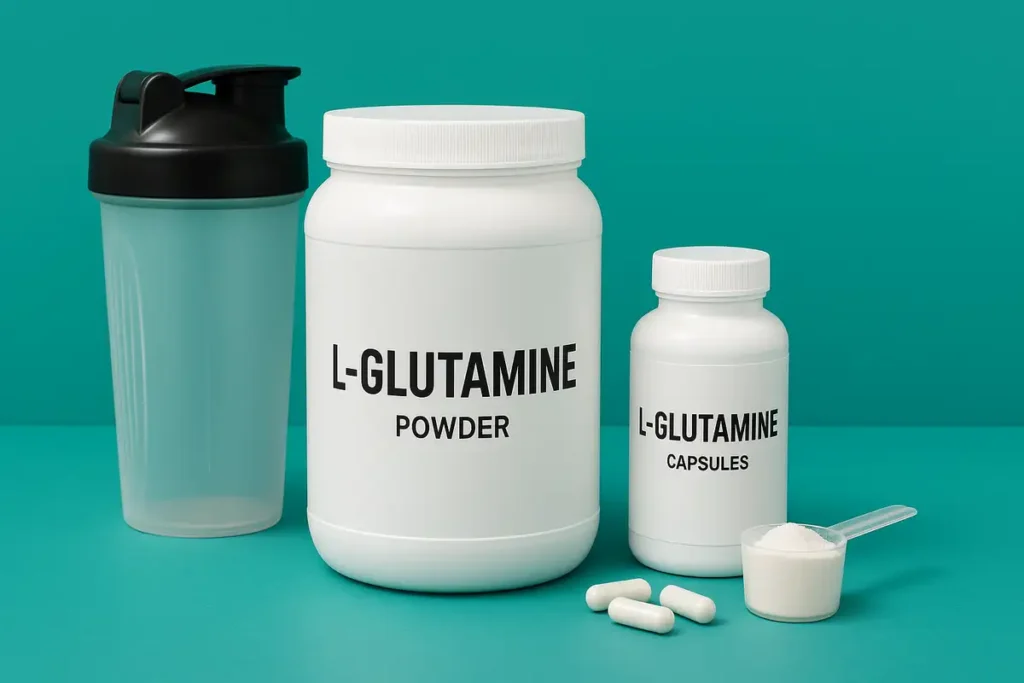
When choosing a glutamine supplement, purity matters most. Go for:
- 100 % pure L-Glutamine (no fillers or sugars)
- Micronized powder for smoother mixing
- Fermented or plant-based sources for cleaner digestion
Avoid blends that hide glutamine amounts behind “proprietary formulas.” You want full transparency.
Over the years, I’ve tested both capsules and powders. Powders are more flexible — easy to mix with shakes or other aminos. Capsules are handy for travel days or quick convenience. The key is staying consistent with your daily dose.
My Personal Experience With Glutamine

After more than a decade in bodybuilding and coaching, I’ve seen how small details make a big difference — and glutamine is one of those details.
When I first began supplementing consistently, I wasn’t expecting much. But over the weeks, my recovery time shortened, my sleep improved, and even my digestion became smoother. It felt like my body was finally running at full efficiency.
One of my clients, Ali from Iran, trains through Ramadan each year. He fasts during daylight hours, which puts his body under tremendous stress. When we added 10 g of glutamine before bed, his performance stabilized, and he retained more muscle than ever before. He also reported better hydration and energy the following day.
Another client, Jessica M. from Canada, struggled with bloating and low energy during a strict diet. With 10 g of glutamine twice daily, her digestion improved within two weeks, and she could push through training without fatigue.
That’s the thing about glutamine — the results aren’t flashy or immediate, but they’re steady and consistent. It quietly supports your system in the background so you can perform at your best.
Final Takeaway

L-Glutamine might not give you an instant “pump,” but it’s one of the most reliable tools for recovery, gut repair, and immune balance. Think of it as your body’s maintenance nutrient — the one that keeps all systems functioning smoothly so your training and nutrition can do their job.
It supports lean muscle maintenance, faster post-workout recovery, and stronger immunity across all age groups. Whether you’re a beginner lifter or a seasoned athlete, glutamine fills an important gap in your recovery stack.
As highlighted in a Nutrients review on glutamine metabolism and immune function, glutamine enhances muscle preservation and immune performance for both young and older adults. It’s one of the few supplements that truly benefits everyone.
Give it at least three weeks of consistent use. You’ll likely notice subtle but meaningful improvements — less fatigue, smoother digestion, and quicker bounce-back between sessions.
Final Word:
L-Glutamine isn’t about hype — it’s about building a strong, resilient foundation.
Combine it with proper training, smart nutrition, and adequate rest, and it will quietly become one of your most valuable allies in achieving long-term performance and well-being.
FAQs
It doesn’t directly build muscle like creatine, but it supports the process by preventing breakdown and accelerating recovery — making it a smart, synergistic addition.
Absolutely. I often mix mine with whey right after training. They complement each other perfectly for recovery and gut support.
Most athletes notice improved digestion, reduced soreness, and better overall recovery within 1–3 weeks of consistent use.
Yes — recovery happens on rest days, not just training days. Maintaining glutamine intake keeps your system balanced.
Completely. Research shows glutamine supports recovery and lean tissue maintenance regardless of gender or age.
Yes. It’s calorie-free and doesn’t break your fast. In fact, it can help preserve muscle mass and stabilize energy during fasting periods.
Your body will still produce glutamine naturally, but you may notice slower recovery and reduced digestive comfort under intense training conditions.

 Reveal What's Holding Me Back
Leave a Reply