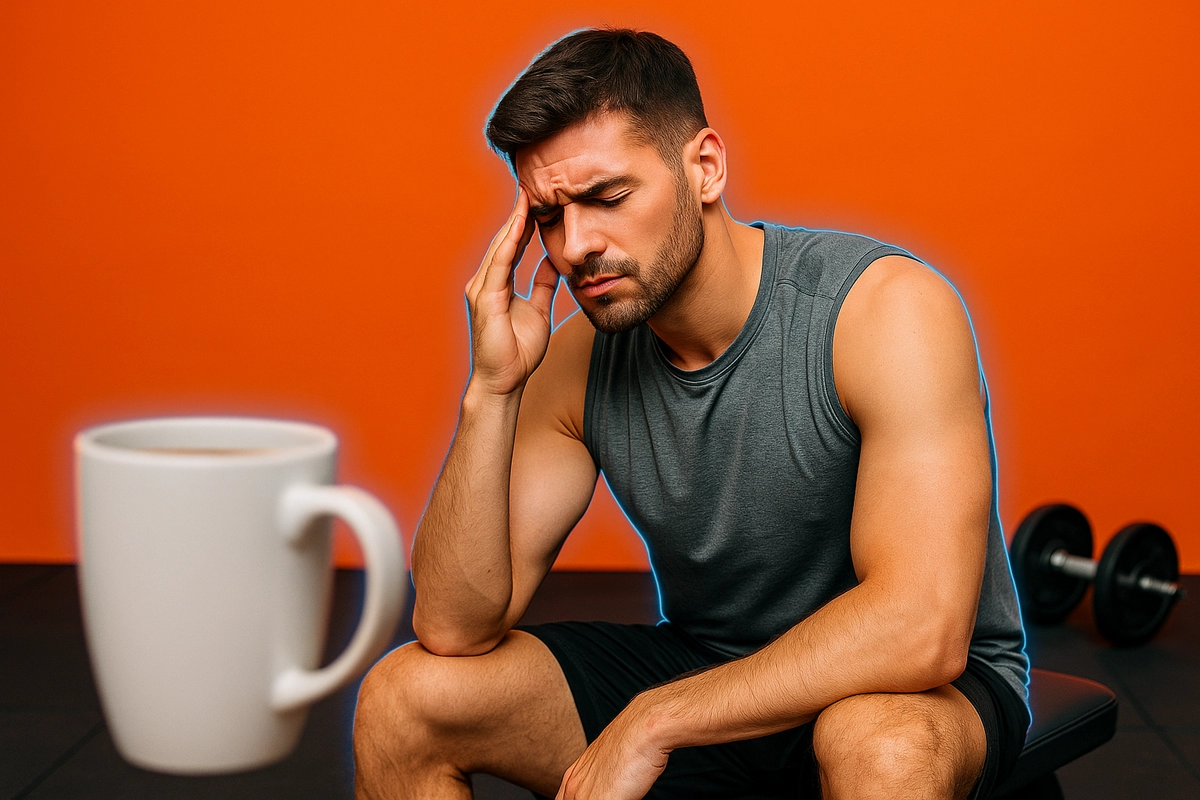

Are you feeling exhausted, irritable, or foggy after cutting out caffeine? You’re not alone—especially if you’re an athlete.
Caffeine withdrawal is real. It can wreck your training, drain your energy, and tank your mood. And for athletes, it hits harder than most people expect.
I’m a coach who’s cycled off caffeine over a dozen times and guided many athletes through this exact reset.
This guide shares the taper protocol, timeline, and proven strategies I use to help clients restore their pre-workout intensity—the same system that worked for Lidia and Michael, whose stories you’ll read below.
Whether you’re quitting caffeine for a full reset or cycling it for peak performance, here’s how to handle withdrawal like a pro and come out stronger on the other side.
Table of contents
- What Are the Symptoms of Caffeine Withdrawal in Athletes?
- How Long Does Caffeine Withdrawal Last? Timeline and What to Expect
- Why Athletes Feel Caffeine Withdrawal More Intensely
- How to Reduce Caffeine Withdrawal Symptoms: A Step-by-Step Guide
- Should Athletes Cycle Off Caffeine? Why Breaks Matter
- Managing Caffeine Withdrawal: Final Advice for Athletes
- FAQ About Caffeine Withdrawal for Athletes
What Are the Symptoms of Caffeine Withdrawal in Athletes?
Let’s be honest—if you’re an athlete or serious lifter, there’s a good chance caffeine is your best training buddy. But what happens when you cut it out?

When I went through caffeine withdrawal, I expected a dip in energy—but I wasn’t ready for the full experience. The fatigue hit first, then came the headaches and a strange kind of brain fog that made even basic tasks feel harder. I also felt unusually irritable and less focused in the gym.
⚠️ These are the most common symptoms athletes face:
- Crushing fatigue
- Persistent headaches
- Irritability and anxiety
- Difficulty focusing or “brain fog”
- Weaker workouts or missed sessions
- Trouble sleeping, surprisingly
One of my clients, Michael from Australia, was used to having two energy drinks and a strong coffee before training.
Once he started cutting back, his energy tanked, and he couldn’t complete his usual workouts for nearly a week.
For more on how caffeine affects energy and alertness during training, check out this guide on caffeine for mental focus in workouts.
⚡ Caffeine crashes hitting hard?
Timing and cycling fix the energy rollercoaster completely.
Maximize Energy Without Crashing FreeHow Long Does Caffeine Withdrawal Last? Timeline and What to Expect
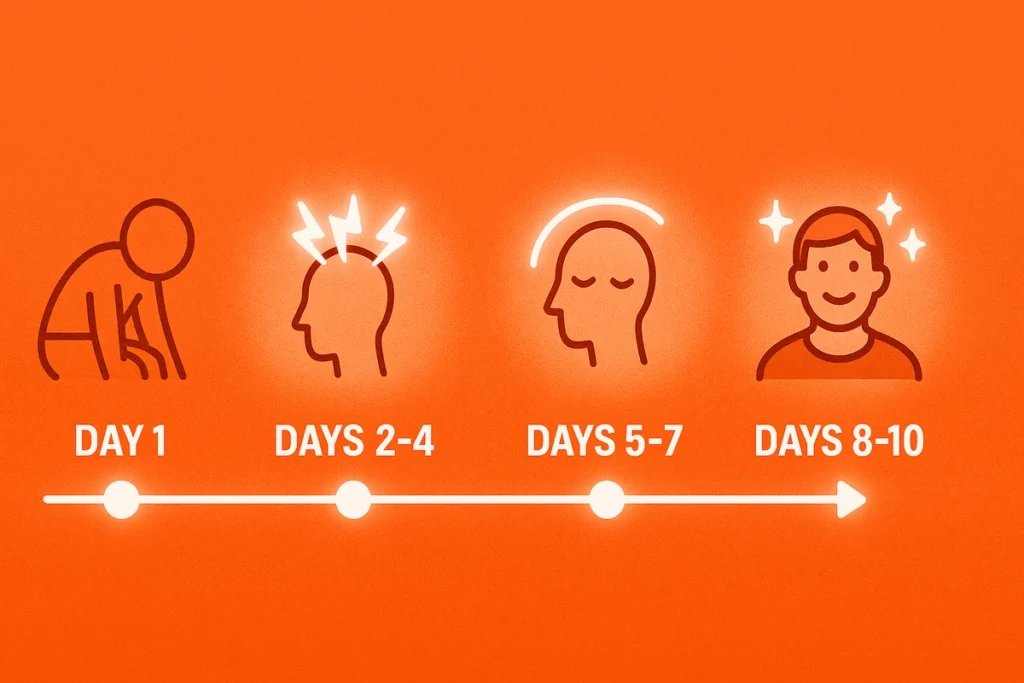
In my experience—and in what I’ve seen with clients—caffeine withdrawal follows a pretty predictable pattern:
- First 24–48 hours: Symptoms start creeping in. Fatigue and brain fog usually show up first.
- Day 2–4: This is the rough part. Expect headaches, mood swings, and cravings to kick caffeine back in.
- Day 5–7: Symptoms start easing. You’ll feel more stable and start to regain natural energy.
- Day 8–10 and beyond: Most symptoms fade. You feel lighter, more rested, and mentally sharper.
For me, day 3 was the toughest. I remember dragging through a leg workout and thinking, “Is this even worth it?” But I stayed the course, and by the end of the first week, I genuinely felt better—more rested, more grounded.
Why Athletes Feel Caffeine Withdrawal More Intensely
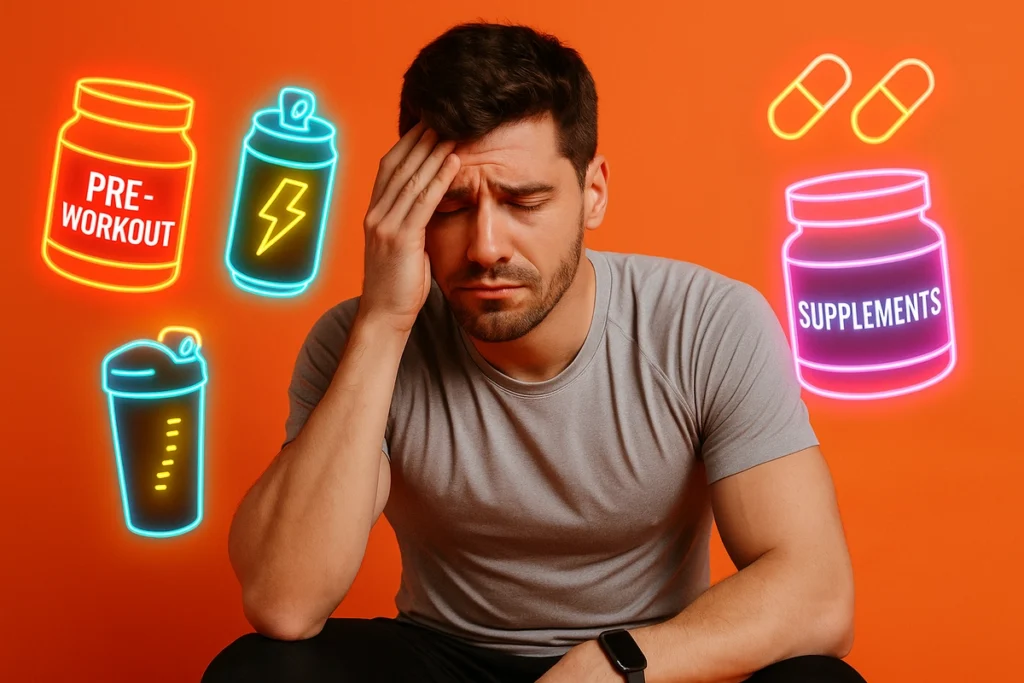
Athletes often feel withdrawal harder than the average person because:
- We build higher tolerance: Many athletes consume 300–600 mg daily.
- We rely on caffeine for performance: Not just energy—but focus, intensity, and drive.
- Psychological dependence is real: It’s easy to believe a workout won’t be effective without that pre-workout hit.
That’s what happened with Lidia, one of my clients from Poland. She felt panicked the first few days off caffeine—like she couldn’t function in the gym.
But after five caffeine-free days and some smart substitutions (like B-complex vitamins and lemon water), she started to feel better than ever.
If you’re stacking caffeine with creatine or taking multiple pre-workouts, read this breakdown of the caffeine and creatine stack—it might explain why your dependency is stronger.
You just read everything about caffeine. Now let’s make it work for YOUR body.
I’ll design your personalized supplement protocol — exact timing, dosage, and stacking for your specific goal. No templates. No bots. A real coach who reads your answers.
Pay what you want after you receive it. No risk. No pressure.
How to Reduce Caffeine Withdrawal Symptoms: A Step-by-Step Guide
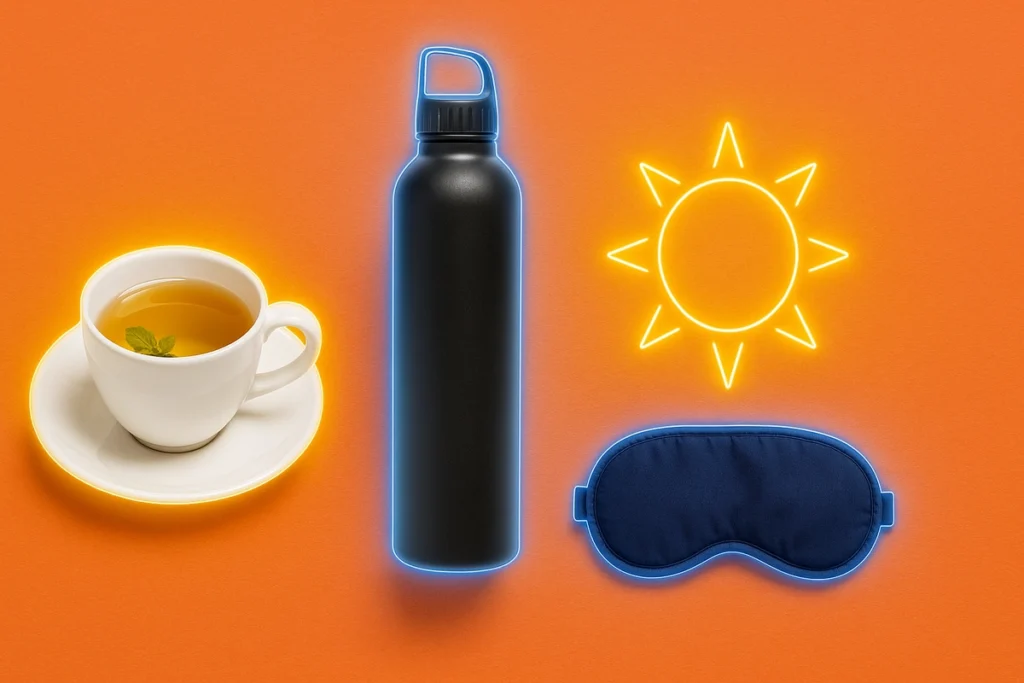
The worst thing you can do is quit caffeine cold turkey—especially if you’ve been using high doses. Here’s what worked for me and my clients:
- Taper gradually. I reduced my caffeine by 100 mg every few days.
- Hydrate more than usual. Add electrolytes if needed.
- Get sunlight early. Helps your circadian rhythm and boosts mood.
- Train lighter temporarily. Reduce intensity for 3–5 days.
- Try alternatives. Herbal teas, ginseng, or maca can help you stay sharp.
I also found cold showers in the morning surprisingly effective in boosting alertness. It’s not fun—but it works.
If you’re looking for smoother options, try these natural caffeine sources for pre-workout energy or review caffeine supplements that don’t cause a crash.
Should Athletes Cycle Off Caffeine? Why Breaks Matter
In my opinion as a coach—and someone who’s done this more than once—yes, athletes should cycle caffeine every few months.
A short break helps:
- Reset your tolerance
- Restore natural energy levels
- Improve sleep quality
- Bring back caffeine’s performance-boosting effects
Personally, I take a 10-day caffeine break every 6–8 weeks. On rest days, I avoid caffeine entirely, and even during training days, I cap it at 200 mg.
It keeps my system responsive, and honestly, workouts feel more powerful when I do use it.
If you’re wondering how to plan your break, here’s a full guide on how and when to cycle caffeine effectively.
Managing Caffeine Withdrawal: Final Advice for Athletes
Learning how to reset caffeine tolerance for pre-workout is one of the smartest moves an athlete can make.

If you’re thinking about cutting back on caffeine—whether it’s for sleep, performance, or just curiosity—know this:
- The first few days are hard, but they pass.
- Your body will adapt, and you’ll regain natural energy.
- You’ll sleep better, recover faster, and feel more in control.
I’ve helped dozens of clients go through this reset phase, and every single one came out stronger. Caffeine is a great tool—but only when it works for you, not against you.
Want to time your caffeine intake better once you’re back on it? Learn about the best time to take caffeine before a workout, especially if you train early or do fasted cardio.
And if you’re still deciding between coffee, pills, or pre-workout powders, check out this helpful comparison of caffeine pills vs. coffee for gym performance.
You’ve got this—and your body will thank you for taking control.
FAQ About Caffeine Withdrawal for Athletes
The most intense symptoms usually last 2 to 4 days. For most athletes, the full withdrawal process is complete within 7 to 10 days, with energy and focus returning to normal.
The first signs are typically a crushing fatigue and a dull, persistent headache. Many athletes also notice brain fog, making it hard to focus during workouts or daily tasks.
Athletes often build a higher tolerance by consuming 300–600 mg or more daily. There is also a strong psychological dependence because caffeine is linked to training intensity, drive, and the pre-workout ritual.
Tapering down is far better, especially for athletes. Quitting cold turkey from high doses makes withdrawal symptoms much more severe and can derail your training for a week or more. A gradual reduction of about 100 mg every few days is a proven strategy.
The most effective way is to take a complete caffeine break for 7 to 10 days. After the break, keep your intake low (around 200 mg or less per training session) to maintain sensitivity and keep caffeine’s performance-boosting effects powerful.
Yes, taking a short, planned break is highly recommended. Cycling off caffeine every 6 to 8 weeks helps reset your tolerance, improves sleep quality, and restores your natural energy levels.
Good alternatives include B-complex vitamins, lemon water, ginseng, or maca root. A morning cold shower can also provide a surprisingly effective, natural alertness boost without any stimulants.
Surprisingly, yes. In the short term, you might experience trouble sleeping as your body adjusts. However, once the withdrawal is complete, most athletes report much deeper, more restorative sleep.
Leave a Reply