
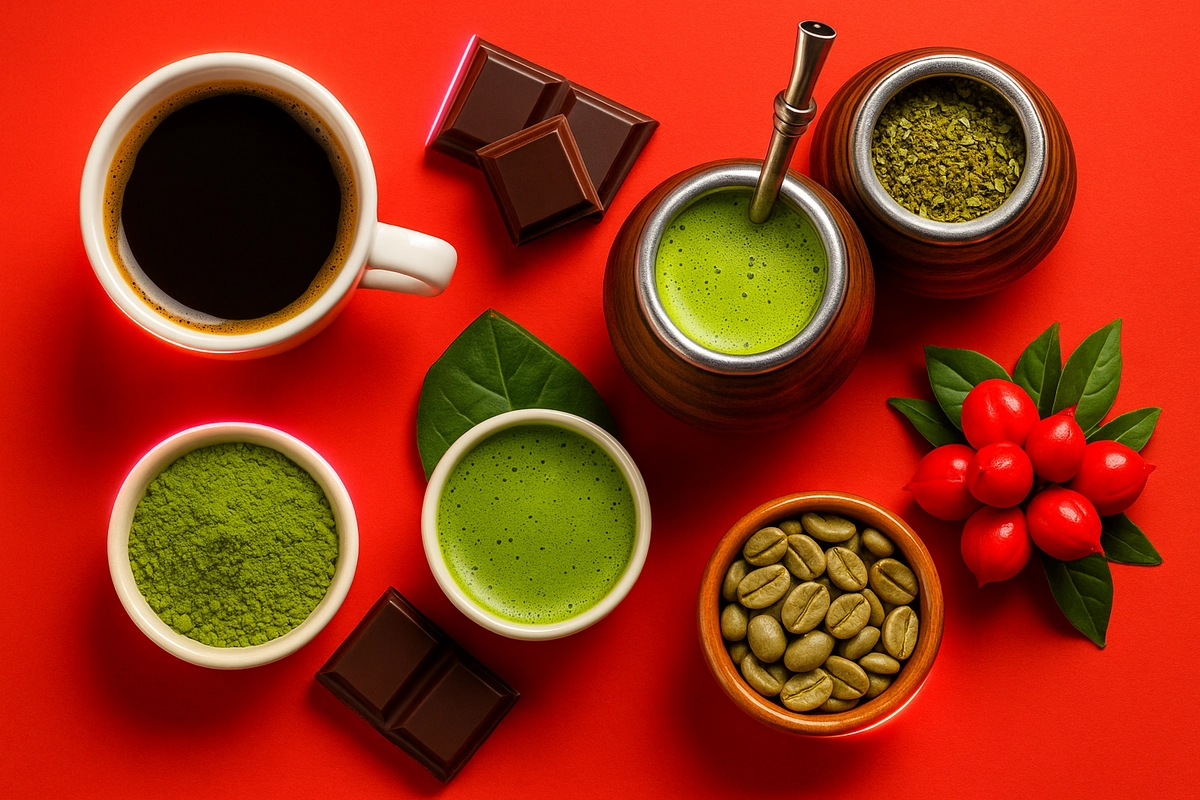

Looking for a pre-workout with natural caffeine that fuels your session without the jitters?
✅ Good news — you don’t need lab-made powders to feel energized, focused, and ready to crush your workout.
As a certified fitness coach with over a decade of personal training and real-world experience, I’ve seen natural caffeine sources deliver clean, reliable pre-workout energy — and in many cases, they even outperform traditional supplements without the anxiety or crash.
In this article, I’ll walk you through the best natural caffeine options, when to take them, and exactly how I — and my clients — use them to power through training sessions with steady focus and zero shakes.
Table of contents
- Natural Caffeine Sources at a Glance
- Jitter‑Free Pre‑Workout Tea Caffeine Sources
- Why Choose a Natural Caffeine Pre‑Workout?
- 7 Best Natural Pre‑Workout Supplements
- Top Pre‑Workout Drinks with Natural Caffeine
- Quick DIY Natural Pre‑Workout Blend
- Best Time to Take Natural Caffeine
- Who Should Be Cautious with Caffeine?
- My Coaching Experience with Natural Caffeine
- Pro Coach Tips for Better Results
- Frequently Asked Questions
- Final Thoughts: Boost Naturally, Train Powerfully
Natural Caffeine Sources at a Glance
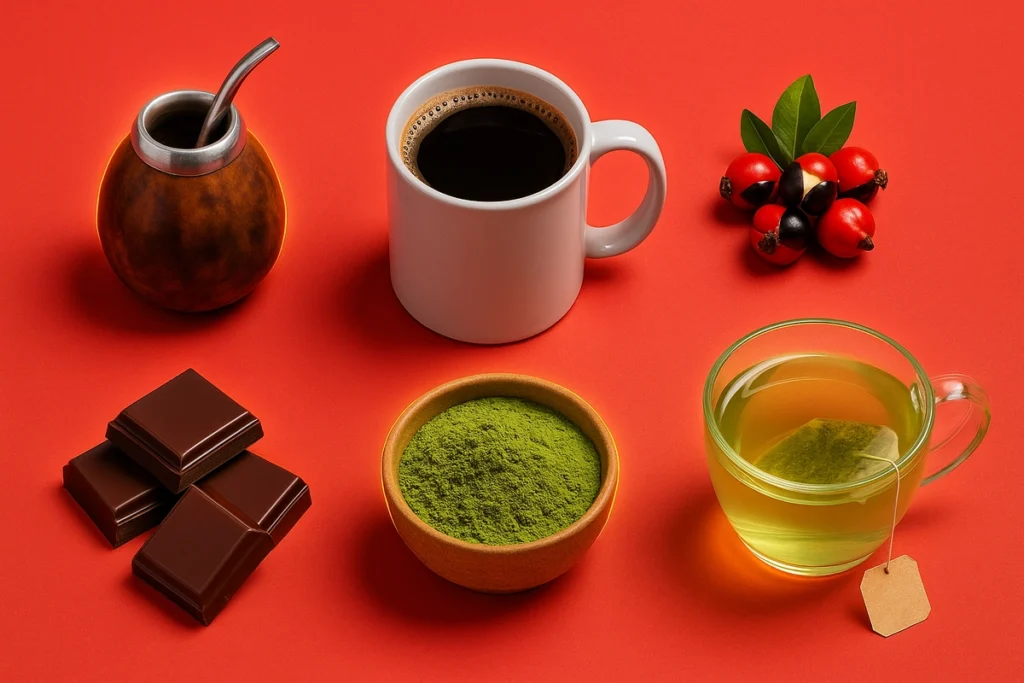
✅ The best natural caffeine sources for your pre-workout boost include:
- Coffee
- Green tea
- Yerba mate
- Guarana
- Matcha
- Dark chocolate
- Green coffee bean
These not only help with energy and focus, but they also support fat metabolism and muscle performance — naturally.
Want to understand how caffeine impacts muscle recovery and soreness? Check out this in-depth guide: Caffeine for Muscle Recovery & Soreness

Jitter‑Free Pre‑Workout Tea Caffeine Sources
Tea‑based caffeine sources like green tea and matcha naturally contain L‑theanine, an amino acid that smooths out energy release and prevents jitters. Instead of a sharp spike, you get a calm, focused lift that builds gradually and fades without a crash.
If you’re looking for a jitter‑free pre‑workout that uses tea caffeine sources, matcha and green tea are your best bets.
- Matcha delivers the most L‑theanine because you consume the whole powdered leaf, making it ideal for steady, long‑lasting focus.
- Green tea offers a gentler option for lighter sessions, and white tea works well if you’re especially sensitive to stimulants.
Both give you clean, reliable energy without the shakes.
Why Choose a Natural Caffeine Pre‑Workout?
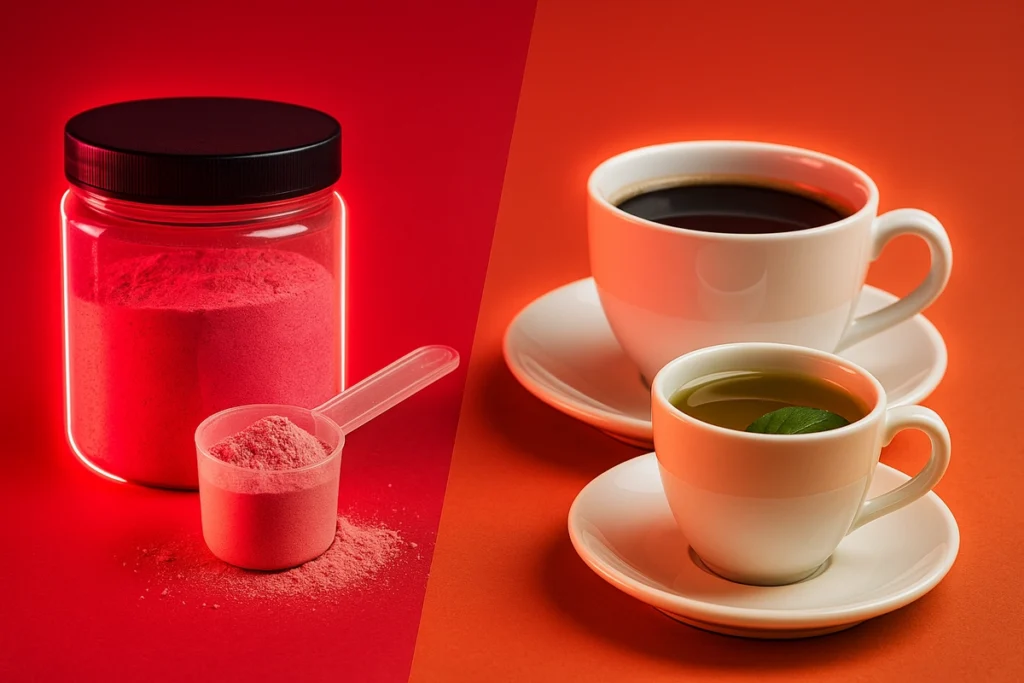
Many commercial pre‑workouts are loaded with harsh stimulants and artificial additives. The result? Jitters, anxiety, poor sleep, and a post‑workout crash that leaves you drained.
Natural caffeine gives you a cleaner, more stable energy curve — without the pills or powders. It sharpens focus, increases stamina, and supports fat burning, all while letting your recovery stay on track. Instead of a frantic spike, you get steady, usable energy that actually matches your effort.
I’ve relied on natural caffeine as my only pre‑workout boost for years, and I’ve guided dozens of clients away from chemical‑heavy products — with better training sessions and recovered sleep to show for it.
🤔 Not sure which route fits your goals best? Read the full breakdown: Natural Caffeine vs. Pre‑Workout Supplements.
7 Best Natural Pre‑Workout Supplements

These whole-food sources double as the cleanest, most effective natural pre-workout supplements you can use — no powders, no chemicals, just real energy.
1. Coffee
Coffee is my personal favorite. One cup delivers around 100–200 mg of caffeine, depending on how strong you brew it.
I typically drink mine about 30–35 minutes before training. It helps me lock in mentally and push through heavy lifts with better focus.
Real story: Leila from Germany, one of my clients, didn’t like the idea of coffee before training. But after trying it before her glute session, she told me she felt more focused and ended up lifting heavier than usual.
2. Green Tea
With around 30–50 mg of caffeine, green tea is a lighter option. It’s especially useful for people who want calm focus instead of an intense energy spike.
Thanks to L-theanine, it delivers smoother energy without overstimulation — ideal for moderate training or evening sessions. For women looking for a clean, jitter-free pre-workout boost that’s gentle on the system, green tea is a perfect starting point.

3. Yerba Mate
Yerba mate gives about 80–90 mg of caffeine per cup. It’s not just energizing — it brings a unique euphoric clarity that’s hard to describe until you try it.
I often drink it when training outdoors or when I want to change things up from my usual coffee routine.
4. Guarana
Guarana is very potent. It’s found in natural energy drinks and capsules and contains more caffeine per gram than coffee.
The first time I tried it in capsule form, I felt overstimulated — jittery, restless, and uncomfortable. That experience taught me the importance of understanding your tolerance.
If you’re curious about how to manage or reset your caffeine limits: Caffeine Tolerance Reset: How and Why to Do It.
5. Matcha
Matcha is powdered green tea with about 70 mg of caffeine per serving. Unlike coffee, it provides a slower and longer-lasting release of energy.
This is my go-to when I coach clients during my own workout — it keeps me alert and calm, without any crash later.
6. Dark Chocolate
Dark chocolate (70%+ cacao) is a tasty option that combines caffeine and theobromine, which gently stimulate the brain and muscles.
Sometimes, I’ll pair a small piece of dark chocolate with coffee before a fasted cardio session. It gives me mental clarity and a quick burst of energy — without filling me up. For women, a square or two provides a mild pre-workout lift along with a satisfying, clean-energy boost that doesn’t interfere with nutrition goals.
7. Green Coffee Bean
This unroasted version of coffee contains both caffeine and chlorogenic acids, which may help with fat metabolism.
It’s mild but effective — a great choice for cutting phases or clients looking for fat-burning support through natural supplements.
👉 For the best dosage based on your goal (fat loss or focus), check out this practical breakdown: How Much Caffeine You Really Need.
Top Pre‑Workout Drinks with Natural Caffeine
Sometimes the quickest way to fuel up is a clean, ready‑to‑drink option.
These top pre‑workout drinks with natural caffeine deliver focus and energy — no powders, no drama.
- Coffee – A rich brew with 100–200 mg of caffeine for sharp mental focus and heavy‑lift intensity.
- Matcha Latte – Creamy, sustained, and jitter‑free thanks to matcha’s L‑theanine.
- Yerba Mate – An earthy, smooth lift with around 80–90 mg of caffeine and a clear‑headed buzz.
- Green Tea – Light and calming, offering 30–50 mg of caffeine for moderate or evening sessions.
- Guayusa Tea – A balanced Amazonian brew with clean energy and antioxidants, minus the crash.
Quick DIY Natural Pre‑Workout Blend
Sometimes the simplest combos hit hardest. This clean, three‑ingredient blend gives you steady, crash‑free energy without a single synthetic scoop.
Mix 1 teaspoon matcha powder (around 70 mg caffeine) into 200 ml warm water. Melt in a couple of squares of 85% dark chocolate and stir in a pinch of cinnamon.
The matcha’s L‑theanine and the chocolate’s theobromine work together for smooth, focused energy, while cinnamon helps keep your blood sugar steady.
Drink it 30 minutes before training. You’ll get a balanced lift that fades gently — no jitters, no crash.
Best Time to Take Natural Caffeine
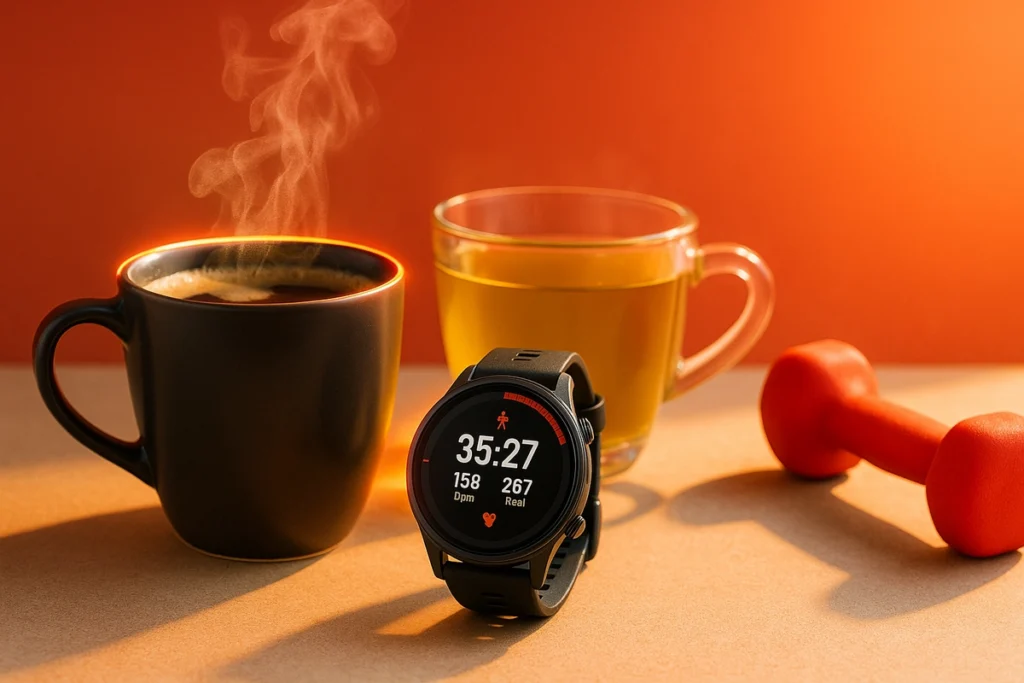
Aim for 30 to 45 minutes before training. That window gives your body enough time to absorb the caffeine so you hit the gym right as it kicks in.
Once it does, you’ll notice sharper alertness and focus, better muscular endurance, improved fat burning efficiency, and an overall lift in training intensity — without feeling rushed or overstimulated.
Curious about when caffeine peaks or how long it truly lasts? Read Best Time to Take Caffeine for Workout Performance.
Who Should Be Cautious with Caffeine?

If you have anxiety, high blood pressure, or poor sleep quality — or if you’re pregnant — caffeine use should be limited or avoided entirely.
Even healthy athletes can go overboard. I’ve seen clients double their caffeine, convinced it’ll double their performance — but all they got was shaky hands and a bad night’s sleep.
📌 My advice: Keep your pre-workout dose between 50 and 200 mg, and rotate your sources — like switching between coffee, green tea, and matcha — to prevent tolerance from building up. When you feel the lift fading at your usual amount, it’s often better to cycle off briefly than to simply take more.
My Coaching Experience with Natural Caffeine
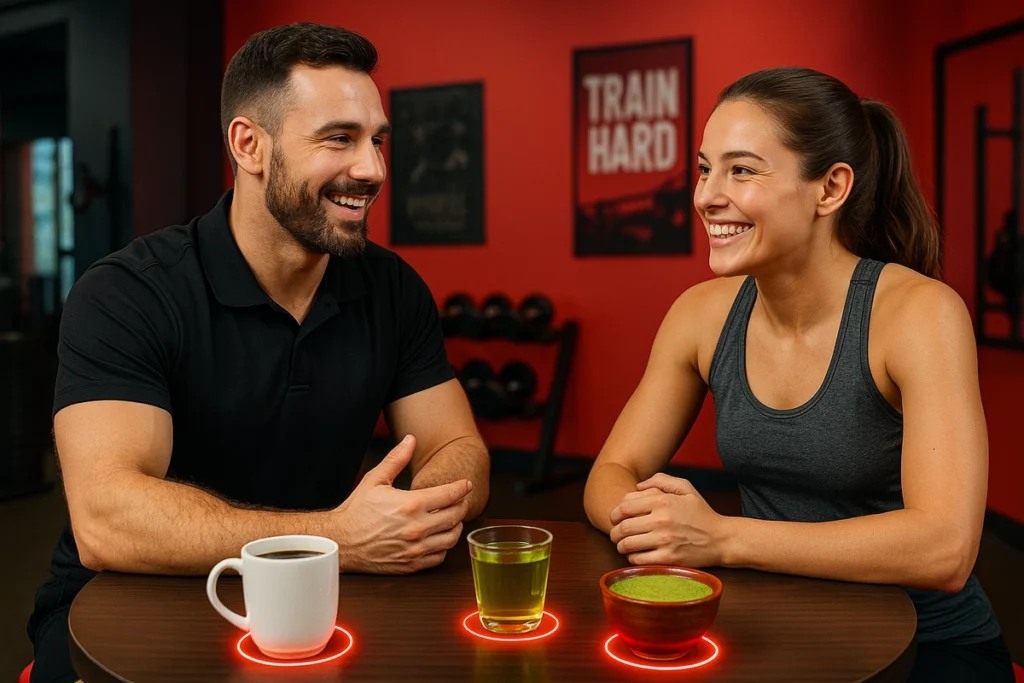
Daniel, a long-term client from Canada, used to rely on strong pre-workout powders packing 300+ mg of caffeine per scoop. The result was predictable: anxious energy during training, jittery hands under the bar, and nights spent staring at the ceiling even after exhausting sessions.
We switched him to a simple natural combo — a cup of green tea and a banana, taken 45 minutes before training. Within two weeks, his energy leveled out completely.
He was still hitting his numbers, but now he finished sessions feeling clear-headed instead of wired, and his sleep quality finally returned.
Recovery markers improved alongside, which meant he could train more consistently without that burned-out feeling creeping in.
This isn’t a one-off success story. I’ve guided dozens of clients through the same transition, and the pattern holds: clean energy from natural caffeine helps people train harder, recover better, and walk away from workouts feeling accomplished — not wrecked.
Pro Coach Tips for Better Results

✨ Here are a few tricks I use myself and share with my clients to get the most out of natural caffeine — without the downsides.
- Start low, go slow. Test your tolerance with 50–100 mg of caffeine first. You can always add a little more, but you can’t undo the jitters once they hit.
- Hydrate first. A glass of lemon water 10 minutes before your caffeine boosts alertness and tops off your hydration before you start sweating.
- Snack smart. Pair your caffeine with a small carb — like half a banana or a date — to buffer your stomach and give you quick, usable fuel.
- Switch it up. Rotate between coffee, green tea, and matcha. Changing your source keeps your body from adapting too quickly and blunting the effect.
- Take breaks. Cycle off caffeine for 5–7 days each month. It resets your sensitivity so you feel the full kick again when you come back.
Frequently Asked Questions
A jitter‑free pre workout uses tea‑based caffeine from matcha, green tea, or white tea instead of synthetic stimulants. These teas contain L‑theanine, which slows caffeine release and promotes calm, steady energy without shakes, anxiety, or a post‑workout crash.
The best options are whole foods and drinks: coffee, matcha, yerba mate, green tea, guarana, dark chocolate, and green coffee bean. They provide clean caffeine without artificial additives, harsh stimulants, or chemical fillers.
Mix 1 teaspoon of matcha powder with 200 ml hot water and eat 2‑3 squares of 85% dark chocolate. Drink it 30‑45 minutes before training. No blender or complicated steps needed.
Yes. Green tea, matcha, dark chocolate, and green coffee bean are excellent for women. They provide gentle, effective energy. Starting with 50‑100 mg of caffeine and pairing it with a small piece of fruit works well for most women without side effects.
Between 50 and 200 mg is enough for most people. Start low to test your tolerance, and avoid going above 200 mg to prevent jitters and poor sleep.
Take it 30 to 45 minutes before your workout. This gives your body enough time to absorb the caffeine so you feel focused and energized when training starts.
Green coffee bean and green tea are strong choices. They combine caffeine with compounds like chlorogenic acid and EGCG that support fat metabolism during exercise.
Matcha and green tea. Both contain L‑theanine, which balances caffeine’s effects and provides long‑lasting, stable energy with no hard crash afterward.
Yes. A small coffee with a piece of dark chocolate is a popular and effective combo. Just keep total caffeine intake within the 50‑200 mg range and pay attention to how your body responds.
Lower your dose to 30‑50 mg, pair it with a small snack like a banana, and hydrate well before drinking it. Also, try switching to green tea or matcha, which are gentler on the nervous system.
Rotate your sources. Use coffee on heavy training days, green tea on lighter days, and cycle off all caffeine for 5‑7 days each month to reset your sensitivity.
For most people, yes. Natural caffeine offers clean, predictable energy without artificial stimulants, dyes, or fillers. It supports performance while being gentler on sleep and recovery.
Final Thoughts: Boost Naturally,
Train Powerfully
Natural caffeine is more than a safe alternative — it’s a smarter strategy to fuel your workouts.
Whether you go with coffee, matcha, green tea, or even a square of dark chocolate, you can get a solid pre-workout boost without the jitters, anxiety, or chemical overload.
In over a decade of coaching, I’ve found that clean caffeine sources deliver the best of both worlds: sharper performance and better long-term recovery. No crash, no shakes — just steady energy you can count on.
Train smart. Fuel clean. And never underestimate the power of the right natural caffeine source.
🗣️ Tell me your favorite — or ask a question below. I read every comment and reply personally.
Leave a Reply