
Creatine is known for muscle growth and strength. Most people expect weight gain from water retention in the muscles.
So if the scale dropped instead, you’re probably confused—and you’re not alone.
As a trainer, I’ve seen this panic before. It’s almost never the creatine. It’s usually calories.
✨ Quick Answers:
- Does creatine make you lose weight? No. It has no fat burners. Weight loss comes from a calorie deficit or water shifts.
- Can you lose weight while taking creatine? Yes. It preserves strength during a cut.
- Does creatine slow weight loss? It may slow scale weight (water), but not fat loss.
Below, I’ll break down the 7 reasons this happens and exactly how to fix it.
Table of contents
- 7 Reasons You’re Losing Weight on Creatine (And Does Creatine Cause Weight Loss?)
- Should You Be Worried About Weight Loss on Creatine?
- How to Avoid Losing Weight While Using Creatine
- The Importance of a Balanced Approach to Training and Nutrition
- Creatine and Weight Loss Questions Answered
- Final Thoughts: Stay Focused on the Bigger Picture
- Trusted Resources on Creatine and Weight Loss
Quick Answer: Why You’re Losing Weight on Creatine
Creatine is famous for pulling water into muscle cells. That intracellular hydration usually makes the scale tick up by 1-3 kg within the first few weeks.
So if the number is dropping instead, something else is overriding that water weight.
The most likely culprit? A caloric deficit.
Creatine doesn’t burn fat. It fuels harder workouts. If you’re training with more intensity but haven’t increased your food intake, your body will tap into stored energy—and the scale will drop.
Other factors that can contribute include:

Tell us your goal & discover your perfect stack — backed by science, no BS.
Free. Takes 2 Min | No sign-up needed
- Poor sleep and recovery
- Elevated stress (cortisol)
- Undiagnosed hormonal shifts (like hyperthyroidism)
- Insufficient hydration
The Surprising Role of Diet and Calories
When I first started training, I made a classic rookie mistake: I assumed creatine did the heavy lifting for me.
I bought a reputable brand of creatine monohydrate, nailed the loading phase, and settled into maintenance. I expected the scale to climb and my sleeves to feel tighter.
Instead, I lost 3 kg in a few weeks. Worse, my biceps measurement shrank by 3 cm. I was confused, frustrated, and honestly, a little embarrassed.
The problem wasn’t the creatine. It was my fork.
I hadn’t adjusted my calorie intake to match my new training output. Creatine was helping me push harder in the gym, which meant I was burning more energy. But because I was eating the same amount as before, I’d unknowingly slipped into a caloric deficit.
No surplus of energy means no building of new tissue. The scale dropped, and my arms deflated—not because creatine failed, but because I failed to feed the growth it was trying to support.
7 Reasons You’re Losing Weight on Creatine (And Does Creatine Cause Weight Loss?)
Over the years, I’ve worked with many clients who experienced the same issue.
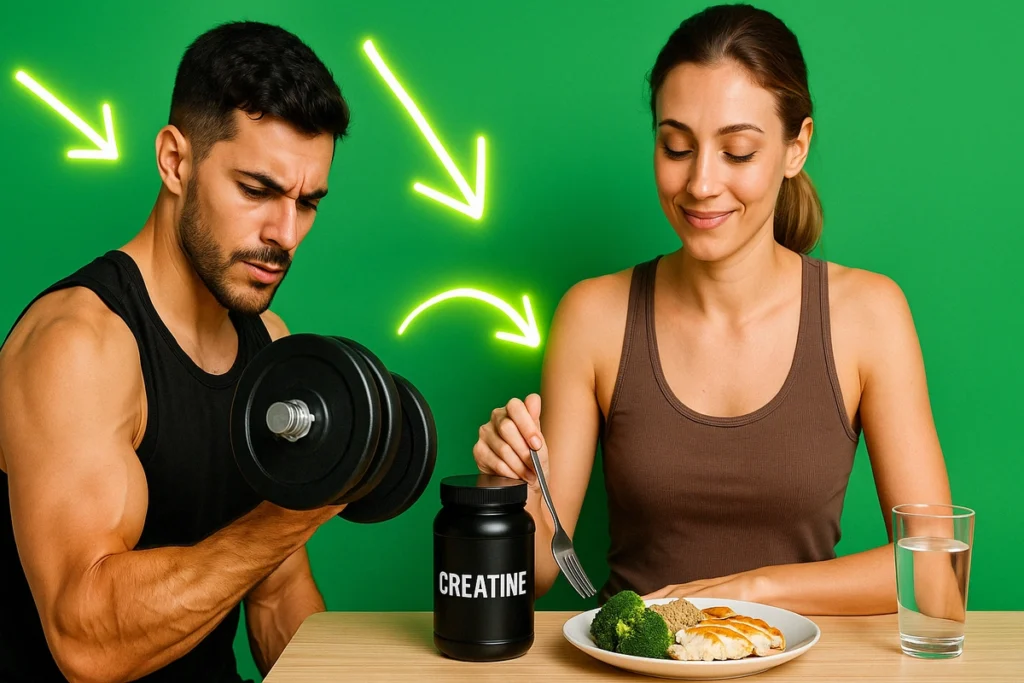
Here are the most common reasons I’ve identified:
- Caloric Deficit (Not Eating Enough): Your body needs fuel to build the muscle creatine enables. If you’re eating less than you burn, you will lose weight—muscle or fat—despite the supplement.
- Hormonal Imbalances: One client of mine had significant weight loss while on creatine. After a series of tests, it was revealed that they had hyperthyroidism, which caused their metabolism to run too fast. After receiving the right medication, their weight stabilized.
- Stress: Chronic stress can cause cortisol levels to rise, which may lead to weight loss and muscle breakdown.
- Sleep Issues: Poor or insufficient sleep can slow down muscle recovery, leading to a decrease in muscle mass and strength.
- Low-Quality Creatine: Not all creatine is created equal. Low-quality or counterfeit creatine won’t provide the same benefits and may even cause adverse effects.
- Dehydration: Creatine requires proper hydration. Without enough water, you might not experience the typical muscle fullness and may lose weight due to dehydration.
- Excessive Cardio: Too much cardio can lead to muscle loss, especially when combined with a supplement like creatine. A proper balance of resistance training is key.
Should You Be Worried About Weight Loss on Creatine?
Not necessarily. Weight loss could be a sign that you’re losing fat rather than muscle.
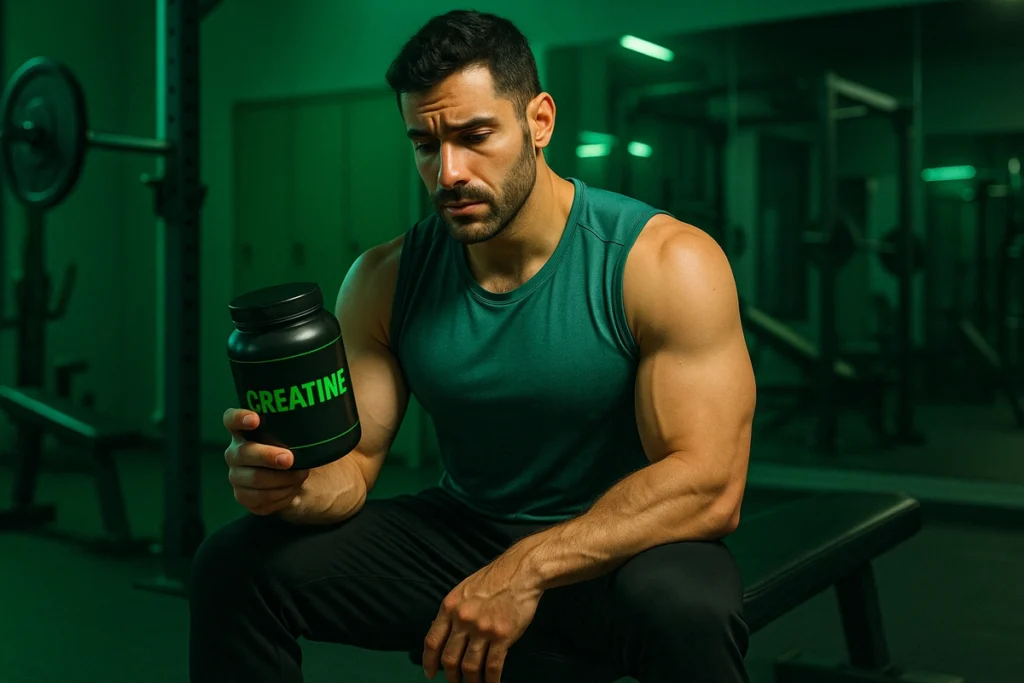
Creatine can increase workout performance, and with the right diet and exercise, you might be losing fat while building muscle.
If the scale is going down but you’re noticing that your muscles are becoming more defined and you’re getting stronger, then there’s no need to worry.
However, if both weight and muscle size are decreasing, this could indicate that something isn’t right. That’s when it’s time to dig deeper and find out what’s causing the issue.
Some believe taking creatine in the morning on an empty stomach improves absorption, while others prefer it pre- or post-workout.
But does timing really matter? No, what truly matters is consistent daily intake. As long as you take creatine regularly, your muscles will stay saturated, maximizing its benefits regardless of timing.
Can You Still Lose Weight While Taking Creatine?
Yes—and in many cases, you should.
Creatine is one of the best supplements to keep in your stack during a cutting phase. Here’s why:
- It preserves strength. When calories drop, performance usually tanks. Creatine helps maintain ATP production, so you can keep lifting heavy and retain more muscle mass.
- It keeps muscles full. Even in a deficit, creatine pulls water into muscle cells. This prevents the “flat” look that often comes with dieting.
- Water weight ≠ fat gain. The scale may stall or drop slower because of intramuscular water. That’s not fat—it’s hydration inside the muscle where you want it.
Bottom line: Creatine does not stop fat loss. It supports the training that drives fat loss. If the number on the scale is moving down (or even staying the same while your clothes fit better), you’re on the right track.
How to Avoid Losing Weight While Using Creatine

If you’re losing weight while using creatine, here’s what I recommend:
- Check Your Diet: Make sure you’re eating enough calories, especially from protein and healthy fats, to support muscle growth. A calorie deficit will prevent you from gaining muscle mass, even if you’re taking creatine.
- Stay Hydrated: Drink plenty of water throughout the day to keep your muscles hydrated and functioning properly.
- Get Quality Sleep: Make sure you’re getting 7-9 hours of sleep each night to support muscle recovery and overall health.
- Choose a Good Quality Creatine: Use a reputable brand of creatine that ensures purity and effectiveness. Low-quality creatine won’t give you the same results and could be a waste of your money.
- Avoid Overdoing Cardio: While cardio has its place in a fitness regimen, too much can interfere with muscle gain. Focus on a balanced approach with strength training to optimize results.
- Get Medical Advice and Tests: If you’re concerned about weight loss despite following the guidelines, consult a healthcare professional. They can check for underlying issues like thyroid problems or hormonal imbalances. Tests such as blood work or thyroid function tests may be needed to identify conditions like hyperthyroidism, which can cause rapid weight loss. Proper treatment under medical supervision can help restore balance.
When it comes to muscle growth and recovery, many wonder how BCAAs, creatine, and whey protein work together. Creatine boosts strength, whey protein supports muscle repair, and BCAAs reduce fatigue.
But should you take them all at once? Understanding their benefits and the best way to combine them can help maximize muscle gains. Learn more in this comprehensive guide on using BCAA, creatine, and whey protein together for optimal results.

Take this 2-minute assessment & get a science-backed training, nutrition & supplement roadmap built for YOUR body.
🔬 12,000+ personalized roadmaps generated
The Importance of a Balanced Approach to Training and Nutrition
Many of my clients who successfully build muscle with creatine also follow a well-rounded training program.
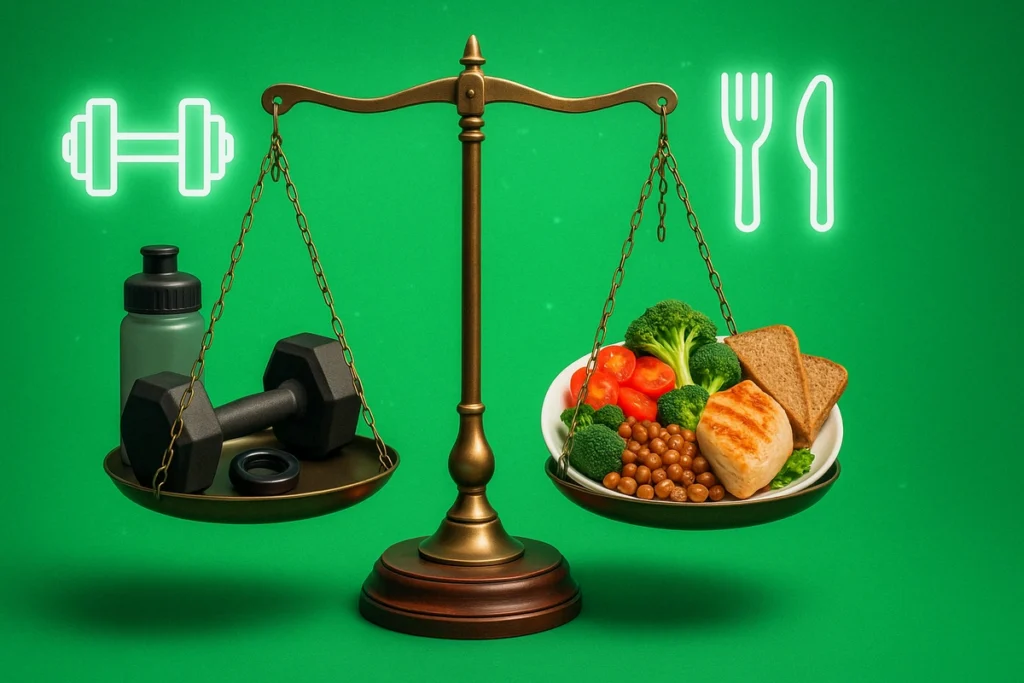
Along with creatine, they focus on resistance training and nutrition that includes:
- High-Protein Diet: Aim for around 1.6-2.2 grams of protein per kilogram of body weight to support muscle growth.
- Strength Training: Incorporate compound movements like squats, deadlifts, and bench presses to build muscle and strength.
- Progressive Overload: Gradually increase the intensity of your workouts to ensure continuous muscle growth.
By following these strategies, creatine can become a powerful ally in your journey to building muscle and strength.
Creatine and Weight Loss Questions Answered
You’re likely eating fewer calories than your body burns. Creatine boosts workout performance, which increases energy expenditure. If you don’t eat more to compensate, the scale drops.
No. Creatine contains no fat-burning ingredients. Any weight loss comes from a calorie deficit, not the creatine itself.
Yes. Creatine supports strength and muscle retention during a calorie deficit, making it an excellent tool for fat loss phases.
No. Creatine causes water retention inside muscles. Actual weight loss is driven by diet and training, not the supplement.
Absolutely. Many people use creatine while cutting to preserve performance and muscle fullness.
It can slow scale weight changes because of water stored in muscles, but it does not slow fat loss. In fact, it may help you train harder and burn more calories.
Only if it helps you train harder while you’re eating in a calorie deficit. Creatine itself does not trigger weight loss.
Maintain a slight calorie deficit, prioritize protein, stay hydrated, and keep strength training. Creatine will help preserve muscle as you lean out.
Final Thoughts: Stay Focused on the Bigger Picture

If you’re losing weight on creatine, it’s important to remember that the scale is just one metric. Focus on the bigger picture—your muscle definition, strength gains, and overall performance.
If your muscles are becoming more defined and you’re getting stronger in your workouts, then creatine is doing its job. Just make sure you’re also focusing on your diet, hydration, and recovery to maximize the benefits.
If you’re still concerned or if you notice significant changes in your health, don’t hesitate to consult a healthcare professional to rule out any underlying conditions. But remember, weight loss isn’t always a bad thing—it could mean you’re getting leaner and stronger!
💬 Now it’s your turn! Have you ever experienced weight loss while taking creatine? What do you think caused it? Share your thoughts and experiences in the comments below!
Trusted Resources on Creatine and Weight Loss
For a deeper understanding of how creatine affects weight, metabolism, and body composition, check out these expert-backed resources:
- Scientific Study: Creatine and Fat Mass Reduction – A research paper from PubMed Central (PMC) examining the effects of creatine supplementation on fat mass reduction and body composition changes in resistance-trained individuals.
- Creatine While Cutting: Does It Help or Hurt? – Healthline explores how creatine can preserve muscle mass and support performance while in a calorie deficit, making it a valuable supplement even during weight loss phases.
- Does Creatine Help with Weight Loss? – Medical News Today breaks down whether creatine contributes to weight loss, discussing common misconceptions and how it affects hydration, metabolism, and training performance.
These science-backed resources provide key insights into how creatine impacts your body, helping you make informed decisions about supplementation and training.
🩺 Disclaimer: This article is for informational purposes only and not medical advice. Always consult with a healthcare provider before starting any supplement.

Leave a Reply