
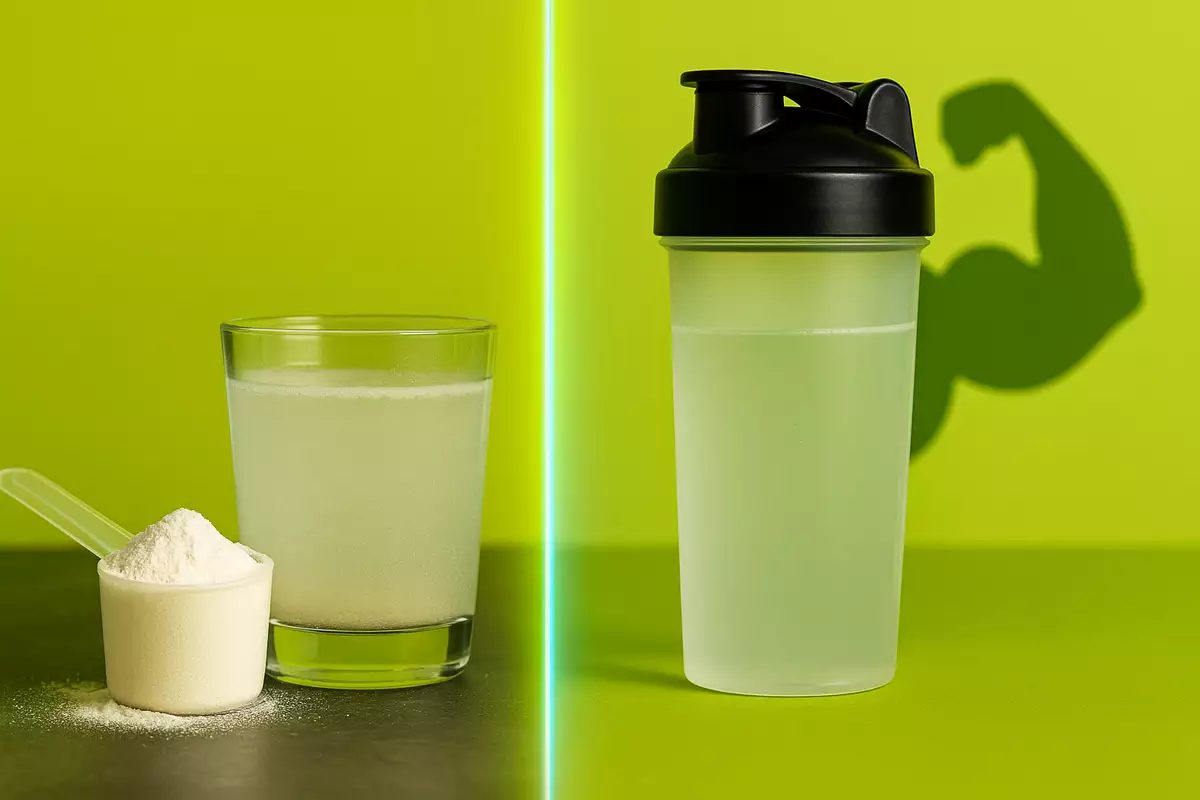

Choosing between micronized vs regular creatine monohydrate? You’re not alone.
With both forms promising the same muscle-building results, it’s easy to feel stuck—especially when your search history shows questions like “is micronized creatine better,” “what’s the difference,” and “which one causes less bloating.”
💯 Here’s the truth: Both deliver proven strength gains, better recovery, and identical long-term results. But one version gives you a real edge in daily comfort—which means you’re more likely to stick with it.
✅ In this micronized vs regular creatine guide, I’ll break down:
- The real-world differences in mixability and digestion
- My personal results using both forms
- A head-to-head comparison so you can choose with confidence
Whether you’re bulking, cutting, or trying creatine for the first time, this guide gives you exactly what you need—no fluff, just facts.
Table of contents
- Quick Answer – Which Creatine Should You Choose?
- What’s the Difference Between Micronized and Regular Creatine?
- What Is Micronized Creatine Monohydrate?
- What Is Regular Creatine Monohydrate?
- My Experience with Both Forms (10+ Years)
- When to Choose Micronized Over Regular
- Final Verdict – Which One Works Best for You?
- Frequently Asked Questions
Quick Answer – Which Creatine Should You Choose?
Go with micronized creatine monohydrate.
Especially if you value smoother mixing, easier digestion, and long-term consistency.
Why Micronized?
Both forms deliver identical results for:
- 💪 Muscle growth
- 🏋️ Strength gains
- ⚡ Performance
But micronized has one edge: it’s more user-friendly.
The finer particles mean:
- No gritty texture
- Mixes instantly in water or shakes
- Less bloating/stomach discomfort
- Easier to take daily — and consistency = results
Who Should Choose Regular?
Stick with regular creatine monohydrate if:
- 💰 You’re on a tight budget
- 😌 You’ve never experienced bloating or texture issues
- 🔬 You want the exact same scientifically proven benefits for less money
At-a-Glance Comparison
You Value… | Choose |
|---|---|
Maximum savings | Regular Creatine |
Smooth mixing | ✅ Micronized |
Digestive comfort | ✅ Micronized |
Proven results | Both (identical) |
Daily consistency | ✅ Micronized |
New to Creatine?
If you’re just starting out and wondering what results to expect, check out this complete results timeline →
Want the full deep dive on absorption, dosage, and which type fits your goals? Read our Creatine Ultimate Guide.
Micronized creatine = same results, better experience.
If your budget allows, it’s the smarter choice for long-term adherence.
⚡ Still guessing your creatine timing?
Most people waste up to 40% by taking it at the wrong time or with the wrong foods.
Fix My Creatine Timing FreeWhat’s the Difference Between Micronized and Regular Creatine?
Feature | Micronized Creatine | Regular Creatine |
|---|---|---|
Particle Size | 20–30 microns (finer particles) | 100+ microns (larger crystals) |
Mixability | ✅ Dissolves completely, no clumps | ❌ Can be gritty, doesn’t fully dissolve |
Digestion | ✅ Reduced bloating for most users | ❌ May cause bloating/discomfort |
Cost | 💰 Slightly higher | 💰💰 Usually cheaper |
Effectiveness | 💪 Identical muscle-building results | 💪 Identical muscle-building results |
📌 Quick Takeaway: Both forms deliver the same strength and muscle gains. The choice comes down to your budget and tolerance — if you’ve experienced bloating or hate gritty shakes, micronized is worth the small price upgrade.
What Is Micronized Creatine Monohydrate?
Micronized creatine is 100% pure creatine monohydrate that has been mechanically processed to break down larger crystals into much finer particles. The chemical formula doesn’t change—it’s still the same clinically studied, muscle-building compound—but the smaller particle size improves water solubility and may reduce digestive discomfort.
How It’s Different
Think of it like coarse sea salt vs fine table salt. Same substance. Same effects. But one dissolves faster and feels smoother on the tongue.
Regular Creatine | Micronized Creatine |
|---|---|
Larger crystals (100+ microns) | Finer particles (20–30 microns) |
Slower dissolution | Nearly instant mixing |
Can feel gritty | Smooth texture |
May cause bloating | Gentler on stomach |
Why Particle Size Matters
The goal of micronization is simple: better mixability, faster absorption, and fewer digestive issues.
✅ When creatine particles are smaller, they:
- Suspend more evenly in liquid (no more gritty sludge at the bottom of your shaker)
- May absorb more efficiently in the gut
- Reduce the chance of undissolved crystals sitting in your stomach and drawing in water—the main culprit behind creatine bloating
Micronized Creatine: Quick Questions Answered
❓ Question | ✅ Answer |
|---|---|
Is micronized creatine still monohydrate? | Yes—100% identical chemically |
Does it work better? | Same muscle-building results |
Is it easier to take? | Significantly better mixability |
Worth the extra cost? | If you value comfort and consistency |
Real Client Story: Lukas from Germany
I had a client named Lukas who struggled with the same problem. Every time he tried creatine, he’d feel bloated and uncomfortable within days. He was ready to give up on it entirely.
We switched him to a Creapure-based micronized version (widely considered the gold standard for purity), and within days, he messaged me:
Zero discomfort. I can finally use creatine again!
That’s the power of choosing the right form—not for better gains, but for better adherence.
Stacking Potential
For those interested in maximizing results, micronized creatine also works great in combinations—like the casein + creatine stack for overnight recovery and lean muscle support. Because it mixes so easily, it blends seamlessly into any shake or recipe without clumping.
You just read everything about creatine. Now let’s make it work for YOUR body.
I’ll design your personalized supplement protocol — exact timing, dosage, and stacking for your specific goal. No templates. No bots. A real coach who reads your answers.
Pay what you want after you receive it. No risk. No pressure.
What Is Regular Creatine Monohydrate?
Regular creatine monohydrate is the original, time-tested version that bodybuilders and athletes have relied on for decades.
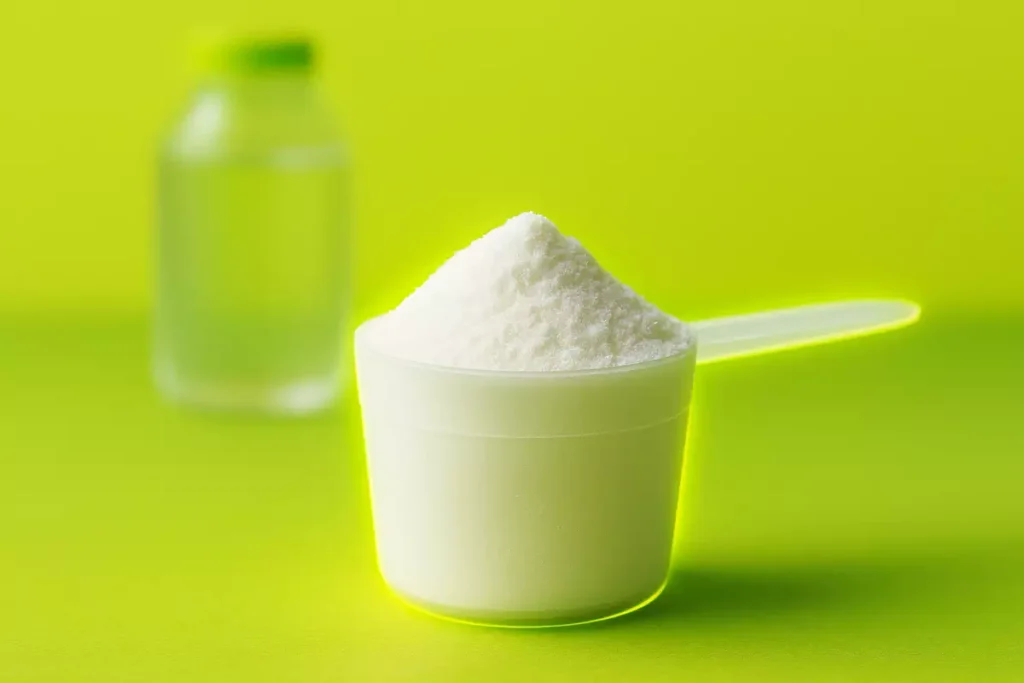
It’s the supplement with the most scientific research backing its ability to increase strength, muscle mass, and exercise performance.
Why it’s still the gold standard:
- Affordable & accessible: It’s the cheapest and most widely available form.
- Clinically proven: Hundreds of studies confirm its effectiveness and safety.
- It simply works: The results are undeniable.
The One Trade-Off: Mixability
However, based on my own experience (and many clients), there is a drawback. The larger crystals don’t always dissolve well.
I remember back in 2018, I used a budget brand that left a gritty texture at the bottom of my shaker. Even worse, it sometimes caused bloating after my workouts. That gritty feeling and discomfort are exactly why I started exploring micronized versions.
How to Use It Right
If you choose regular creatine, proper dosing is key to avoiding those pitfalls and maximizing benefits.
👉 For the exact amount you need based on your weight and goals, check out my detailed guide: Creatine Monohydrate Dosage for an 80kg Male.
✨ Summary: Regular creatine is effective and economical, but its texture and potential for digestive discomfort are the main reasons many users, including myself, eventually switch to micronized.
My Experience with Both Forms (10+ Years)
Then: Regular Creatine
I used budget regular creatine for years. It worked—but I dreaded the gritty texture and occasional bloating. By 2018, I was ready for an upgrade.
Now: Micronized Creatine
Switching to Optimum Nutrition’s micronized version was night and day:
- ❌ No clumps or chalky residue
- ✅ Mixes instantly in cold water or protein shakes
- ✅ Zero stomach discomfort
My Current Protocol
- 5g daily post-workout (with whey protein)
- Rest days: With breakfast
- Skip loading: 20g/day for 5 days isn’t worth the bloat — just take 5g consistently
🍍 Coach’s Tip: Mix micronized creatine with pineapple juice post-workout. Natural sugars aid absorption + it tastes amazing.
🧠 Beyond Muscle: Creatine also supports mental clarity and cognitive health.
When to Choose Micronized Over Regular
If you’ve ever experienced:
- Bloating
- Upset stomach
- Gritty aftertaste
- Trouble mixing it into water or shakes
…then you’ll love micronized creatine.
I had a Canadian client, Jacob, who trained hard but always skipped creatine because he “hated the texture.”
Once we switched him to a micronized version, he stuck with it—and hit a personal deadlift PR within 2 months.
For anyone worried about creatine and hair loss, make sure to separate the facts from fiction. Here’s a full breakdown of the creatine and hair loss myth.
Final Verdict – Which One Works Best for You?

If budget is your biggest concern and you digest regular creatine just fine, go for it. It still works incredibly well.
But if you’re someone who values comfort, convenience, and a better daily experience, I highly recommend micronized creatine.
It’s what I personally use, and it’s what I suggest to most of my clients—especially beginners.
For me, consistency beats everything. Micronized creatine helped me stay on track during a lean bulk in 2024, when I was training intensely and dialing in recovery.
And that’s exactly what I want for you—results without unnecessary hassle.
Also, be mindful of how creatine interacts with other supplements like caffeine. Learn more in this creatine and caffeine interaction guide.
Frequently Asked Questions
Yes, micronized creatine is still 100% creatine monohydrate. The only difference is the particle size, which affects how it mixes with liquid and how easily some people digest it.
Both are equally effective for muscle growth and strength. Micronized creatine is better if you experience bloating or dislike gritty texture. Regular creatine is better if you’re on a strict budget.
For many people, yes. The finer particles may dissolve more completely, reducing the amount of undissolved creatine sitting in your stomach and drawing water into your digestive tract.
The only difference is particle size. Micronized creatine is ground into smaller particles for better mixing. Chemically, they are identical and provide the same performance benefits.
Leave a Reply