


Creatine is one of the most trusted supplements for strength and muscle growth. But here’s the secret few athletes talk about: sodium.
This simple electrolyte can amplify or limit how well creatine works in your body. Without the right sodium balance, your results may fall flat.
If you want maximum power, pumps, and recovery, you need to understand the creatine and sodium connection—and how to make it work for you.
Table of contents
Creatine and Sodium – The Quick Answer
If you’re supplementing with creatine, your sodium intake can make or break your results.
Creatine pulls water into your muscle cells, which improves strength, muscle fullness, and recovery. But without enough sodium, your body struggles to keep that water balance.
The result? You may feel flat, weaker than usual, or simply not experience the full benefits of creatine.
I’ve seen this countless times in my coaching career. Athletes who eat balanced diets with a healthy amount of sodium get the most out of creatine. Those who go too low on salt—often because they think it makes them look leaner—end up frustrated with lackluster performance.
The truth is simple: sodium is a key partner to creatine.
For deeper insights on how creatine works with other nutrients, check out creatine and vitamin D synergy for muscle function.
Sodium enhances creatine transport and hydration, which is why athletes often feel stronger and more stable when both are optimized. For clear steps, this creatine optimization guide explains how to make them work together effectively.
The Science: Sodium’s Role in Muscle Hydration
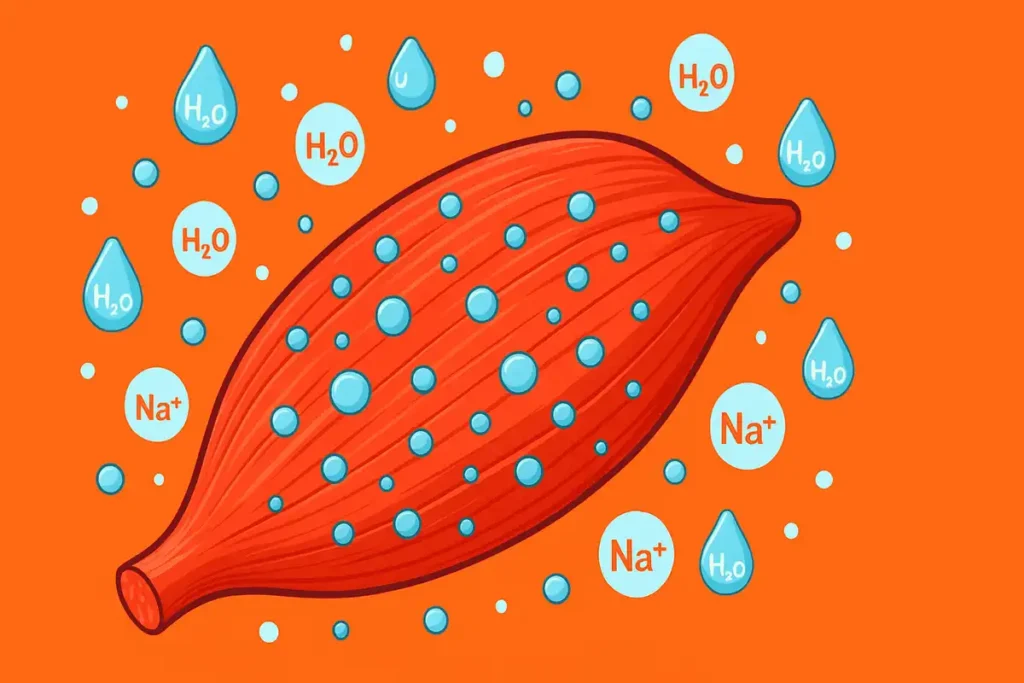
Sodium is more than just “salt.” It’s an essential electrolyte. It regulates fluid balance, supports nerve function, and ensures muscles contract efficiently.
When you take creatine, it increases water content inside muscle cells—a process called cell volumization. This extra water helps your muscles generate more energy during training while also speeding up recovery afterward.
But here’s the kicker: without sodium, water regulation is disrupted. Even if you’re taking creatine daily, low sodium levels can prevent your muscles from holding onto that extra hydration.
I once made this mistake myself. During a cutting phase, I reduced sodium too much while still taking creatine. I quickly noticed my pumps faded, and my endurance dipped. The lesson was clear—creatine needs sodium’s support to work at full capacity.
You can read more about hydration and how creatine influences pumps in my article on creatine and bodybuilding posing muscle fullness.
Performance Connection
The creatine–sodium connection shows up most during training and recovery.
- Strength and Explosiveness: With balanced sodium intake, creatine helps you push heavier weights and squeeze out more reps. Low sodium can make muscles feel weak and unresponsive.
- Endurance and Recovery: Creatine alone supports recovery, but sodium keeps hydration steady, which prevents cramps, fatigue, and dizziness during intense sessions.
- Muscle Fullness and Pumps: Sodium helps maintain that “full” look many athletes enjoy from creatine. Without it, muscles can look flat, even if your training and diet are on point.
A client of mine, Daniel from Spain, learned this the hard way. He cut sodium drastically before a photoshoot while staying on creatine. His muscles looked deflated, and his lifts dropped.
As soon as we reintroduced normal sodium levels, his energy skyrocketed, and he looked much fuller.
On the other hand, Mark from Germany was about to quit creatine, claiming it didn’t work for him. When I reviewed his diet, I saw he was eating extremely low-salt meals. Once we fixed that, the results spoke for themselves: stronger lifts, better recovery, and visible pumps.
If you’re curious about tailoring creatine to specific groups, check out my guides on the best creatine monohydrate for women and the best creatine supplements for seniors.
Practical Guidelines for Athletes

So, how much sodium do you really need with creatine? The answer depends on your lifestyle, training intensity, and climate.
- General athletes: For most people, regular dietary sodium is enough. If you don’t purposely restrict salt, you’re likely covered.
- Heavy sweaters: If you train in hot weather or sweat a lot, add a pinch of salt to meals or use an electrolyte drink. This replaces what you lose during workouts.
- Endurance athletes: Cyclists, runners, and football players often benefit from electrolyte tabs or sports drinks alongside creatine.
- Strength athletes: A normal, balanced sodium intake is usually sufficient, but low-sodium diets can hold you back.
In my own training, I keep it simple. I don’t measure salt obsessively, but if I know I’ll sweat buckets—like during summer outdoor sessions—I’ll add more sodium to my meals or sip an electrolyte drink.
It makes a huge difference in how creatine “feels” in my body.
If you’re interested in nutrient timing, my article on creatine and carbs for max results explains how sodium, carbohydrates, and creatine can work together for performance.
Common Mistakes and Myths
Cutting Sodium Too Much
Many athletes think lowering sodium will make them leaner or prevent bloating. In reality, your body just shifts fluid balance, and you risk cramps, fatigue, and poor creatine uptake.
Overloading Sodium
More salt won’t mean more creatine benefits. High sodium without balance can lead to bloating, blood pressure issues, and discomfort.
Ignoring Hydration
Creatine and sodium both rely on water. If you’re not drinking enough, neither can work properly.
A great example is Lucas from Brazil, a cyclist. He trained hard and used creatine consistently but still struggled with recovery.
The missing piece? Electrolytes. Once we added sodium through hydration tablets, his post-ride fatigue improved dramatically. It wasn’t about more creatine—it was about balance.
For related reading, explore my breakdown on whether creatine increases appetite and how diet balance affects supplementation results.
Final Takeaway

Creatine is one of the most researched and effective supplements for strength and performance. But like any tool, it works best when the foundation is in place. Sodium is that foundation.
- Don’t fear sodium if you’re active—it’s essential.
- Avoid extremes: cutting too low or overloading won’t help.
- Pair creatine with good hydration and a balanced diet to unlock its full potential.
In coaching, I’ve seen the same pattern over and over: when sodium is managed well, creatine delivers powerful results—strength gains, muscle fullness, and faster recovery.
Ignore sodium, and creatine feels underwhelming.
If you’re curious about different supplement options, take a look at my comparison of flavored vs. unflavored creatine monohydrate.
The bottom line? Creatine and sodium are partners. Respect the balance, and your performance will thank you.

Leave a Reply