


Tired of “unflavored” BCAAs that taste bitter and chalky? You’re not alone. Many lifters quit using BCAAs simply because they taste awful.
The truth is, not all unflavored BCAAs are created equal. The best ones dissolve fast, taste clean, and help you recover stronger after every workout.
In this guide, I’ll share the top unflavored BCAA powders of 2025 — based on real testing, client feedback, and science-backed recovery results.
Whether you’re cutting, training fasted, or chasing lean gains, this list will help you find a BCAA that actually tastes good and works.
Table of contents
What Makes an “Unflavored” BCAA Taste Good?
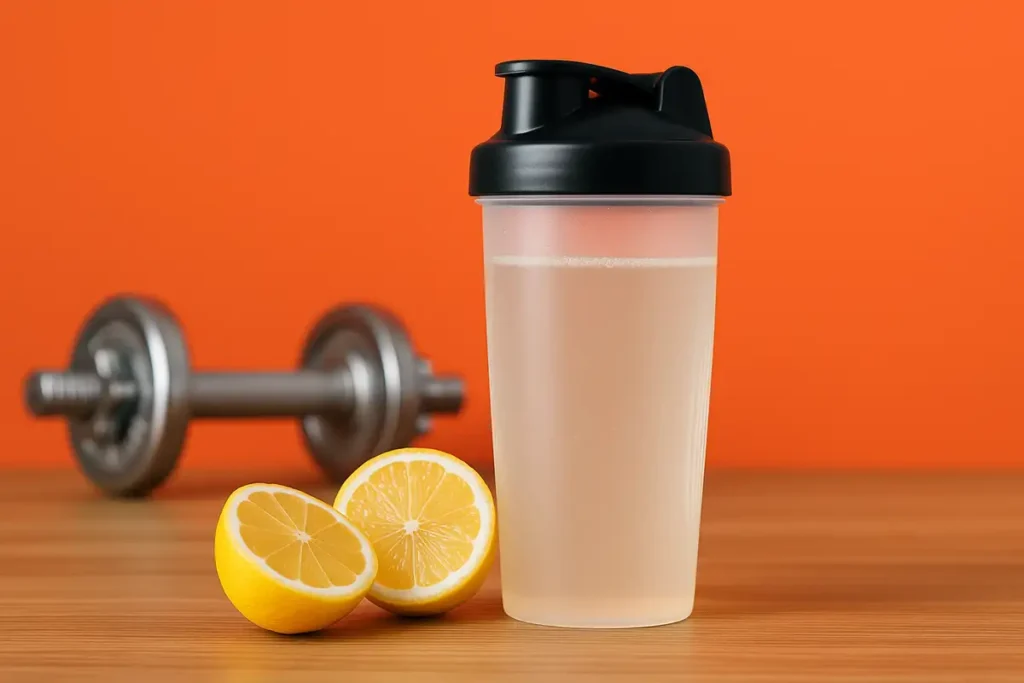
If you’ve ever tried an unflavored BCAA powder, you already know the truth — unflavored doesn’t mean tasteless. Some feel neutral and smooth, while others taste like you just swallowed crushed aspirin.
After testing dozens of formulas over the years — and hearing countless complaints from my clients — I realized that the best-tasting unflavored BCAA powders are those that combine purity, fine particle size, and clean fermentation methods. Poor-quality BCAAs tend to have a bitter, chalky taste because they’re made from synthetic or low-grade sources.
When brands use fermented, plant-based amino acids, the taste and solubility improve dramatically. That’s what separates premium options like Optimum Nutrition and Kaged from cheaper ones that clump or leave residue.

If you’re short on time, here’s the quick takeaway:
The best-tasting unflavored BCAA powders in 2025 are Optimum Nutrition Instantized BCAA, Kaged Fermented BCAA, and Nutricost 2:1:1 BCAA. They dissolve easily, taste clean, and mix well even in cold water.
For a complete understanding of how BCAAs support recovery and performance, explore the BCAA supplements guide — it covers benefits, timing, safety, and how to use them effectively for muscle repair.
Quick Comparison — Top Unflavored BCAA Powders (2025)
Brand | Taste Smoothness | Mixability | Price per Serving | Notes |
|---|---|---|---|---|
Optimum Nutrition | ★★★★★ | Excellent | Moderate | Clean, light taste |
Kaged Fermented | ★★★★☆ | Very Good | Slightly higher | Natural and plant-based |
Nutricost 2:1:1 | ★★★★☆ | Excellent | Budget-friendly | Smooth, no sweeteners |
Scivation Xtend Raw | ★★★☆☆ | Good | Moderate | Neutral, good in juices |
Bulk Supplements | ★★★☆☆ | Fair | Low | Pure but bitter |
This list focuses on taste, purity, and usability — not marketing hype. These are all tested, well-reviewed brands used by serious lifters and endurance athletes.
The Winners: Best-Tasting Unflavored BCAAs

Optimum Nutrition Instantized BCAA Powder
This one wins the crown for taste and texture. It’s mild, smooth, and leaves no foam or residue. The “instantized” label actually means the particles dissolve faster and more evenly — making it ideal for quick shakes before or during workouts.
I often mix it with cold water and a bit of lemon juice before my early morning sessions. One of my clients, Helia from Turkey, struggled with flavored BCAAs that made her nauseous. When she switched to this one, she said, “It finally tastes clean — like I’m drinking recovery, not candy.”
If you like combining your BCAAs with other supplements, check out the BCAA stacking guide for muscle growth and recovery. You’ll learn how to pair it with creatine, beta-alanine, or electrolytes for maximum benefit.
Bulk Supplements BCAA 2:1:1
This one’s as pure as it gets — no flavoring, no coloring, no fillers. But be warned: the bitterness is real.
I used it during a cutting phase when I was maintaining a 500-calorie deficit, and while the taste was harsh, the results were impressive. My recovery stayed sharp even with reduced carbs. Markus, a CrossFit athlete I coach, mixes this powder into black coffee pre-workout — not for everyone, but he swears it keeps him focused and alert.
Its affordability makes it perfect for athletes who prioritize results over flavor.
Scivation Xtend Raw BCAA
Xtend Raw has been a reliable name for years. The “Raw” version offers a neutral flavor that blends seamlessly with smoothies or flavored electrolyte drinks.
My client Reyhaneh, who does fasted cardio most mornings, found it ideal because it kept her hydrated and energized without adding sugar or calories. She says mixing it with lemon water and ice gave it a refreshing taste.
If you train fasted or do long cardio sessions, I highly recommend reading the BCAA endurance benefits guide. It explains how amino acids can delay fatigue and sustain muscle output during extended sessions.
Nutricost BCAA 2:1:1 Unflavored
Nutricost deserves a place in any serious athlete’s stack. It’s inexpensive, clean, and easy to mix — a rare combo in the supplement world.

The texture is silky, and it dissolves well even in cold water. Several of my clients use it because it doesn’t contain dyes or sweeteners that cause headaches. Elena, one of my long-term clients, said it’s her “no-excuse” supplement because it’s neutral and versatile.
If you often train between meetings or travel frequently, you’ll appreciate this product’s simplicity. I also recommend reading the best BCAA supplements for busy professionals — it’s a practical resource for people with tight schedules who still want to recover effectively.
Kaged BCAA 2:1:1 Fermented
Kaged is one of the cleanest, most transparent brands I’ve seen. Their BCAA powder is fermented from non-GMO plant sources, giving it a light taste and exceptional purity.
I personally used Kaged during an intense six-week leg specialization phase. My recovery felt noticeably faster, and soreness dropped after the first week. Interestingly, a 2024 study in Sports Medicine – Open showed that BCAA supplementation helps reduce post-exercise muscle soreness and lowers markers of muscle damage. That study perfectly matches my real-world experience.
Yes, it costs a bit more — but for those who value performance and clean ingredients, it’s worth every cent.
What to Look For in an Unflavored BCAA

When selecting an unflavored BCAA, keep these factors in mind:
- Fermented vs. Synthetic Sources – Fermented amino acids (like in Kaged or Xtend Raw) are plant-based, cleaner, and typically less bitter than animal-derived ones.
- Mixability – Poor mixability often means low-quality powder or larger particle size. Look for “instantized” or “micronized” on the label.
- Ratio (2:1:1) – The 2:1:1 leucine:isoleucine:valine ratio is scientifically supported as the gold standard. A PubMed study on BCAA supplementation found that athletes using this ratio experienced less muscle damage and faster recovery post-workout.
- No Fillers or Sweeteners – Stick to pure amino acids. Artificial additives often cause bloating or GI discomfort.
If you’re curious how BCAAs influence metabolism and protein retention, read my breakdown on BCAA nitrogen balance and muscle growth. It dives into how amino acids help your body stay anabolic even in a calorie deficit.
How to Improve the Taste Naturally
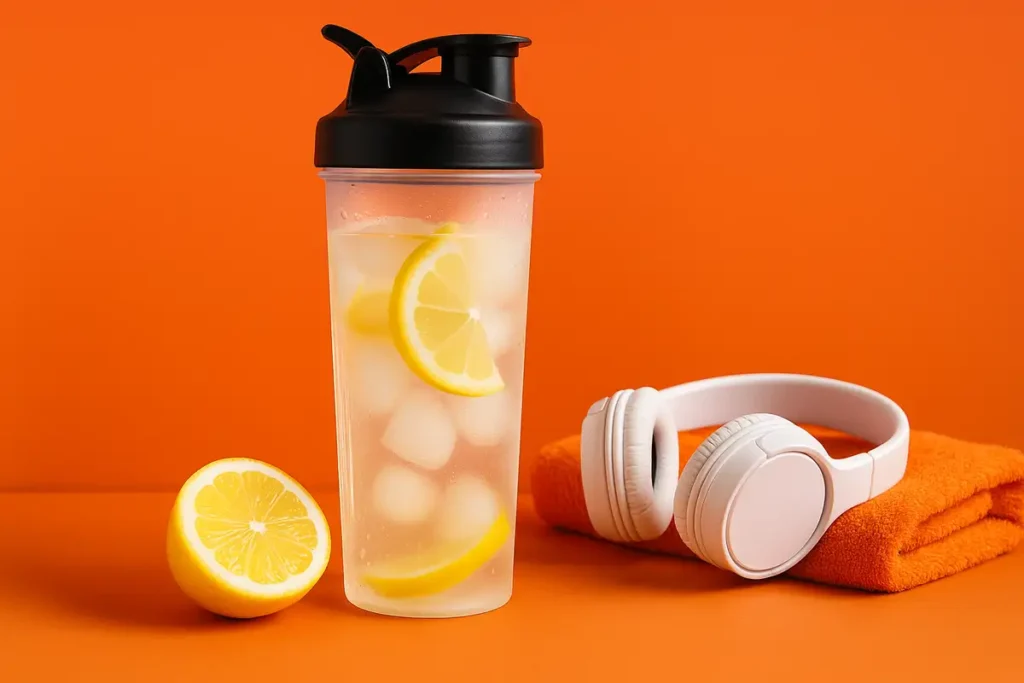
If you’ve ever struggled to down unflavored BCAAs, don’t worry — the fix is simple.
Here are a few ways to make them taste better:
- Mix with lemon or lime juice to mask bitterness.
- Blend with pre-workout or flavored electrolyte drinks.
- Use very cold water — the chill helps smooth the flavor.
- Add a drop of natural stevia for a touch of sweetness.
My favorite combo is 1 scoop BCAA + juice of half a lime + pinch of sea salt + 400ml cold water. It tastes like a light sports drink, refreshes the palate, and helps with hydration.
You can also explore natural alternatives in the best natural BCAA food sources, which shows how foods like eggs, soy, and tuna naturally provide these amino acids.
When and How to Take Unflavored BCAAs
Timing isn’t everything, but consistency matters.
Here’s how I typically recommend using BCAAs:
- Intra-workout: During long or fasted sessions to protect muscle tissue.
- Pre-workout: 15–20 minutes before training, especially on an empty stomach.
- Post-workout: When you can’t get a full meal right away.
If you train fasted or are cutting calories, BCAAs can make a noticeable difference. A PubMed trial on BCAA use during calorie restriction found that resistance-trained athletes maintained lean muscle mass and reduced fatigue even while dieting.
This is why I often recommend BCAAs to my clients during low-carb phases. They help maintain energy and prevent that “flat” look that comes from glycogen depletion.
If you have concerns about insulin response or blood sugar control, check the BCAA guide for diabetics. It explains how to use them safely without impacting glucose stability.
Personally, I take around 5–7 grams intra-workout. It’s enough to improve endurance and recovery without overloading your digestive system.
Final Verdict
After a decade of experimenting and coaching, I can confidently say that taste matters more than most people think.
If your supplement tastes awful, you’ll skip it — and consistency is what drives results. That’s why Optimum Nutrition Instantized BCAA is my top recommendation. It’s pleasant, dissolves instantly, and complements other products easily.
- Best Overall Taste: Optimum Nutrition
- Best Purity: Bulk Supplements
- Best Budget Option: Nutricost
Remember, quality BCAAs don’t just support recovery — they help maintain energy, reduce soreness, and sustain training output. When paired with a smart routine and good nutrition, they can elevate both your physique and performance.
My clients — from Sara in Tehran to Aaron in Canada — have used these exact brands to build stronger, leaner bodies. And with consistent use, you’ll likely notice the same.
FAQ
Not all. Brands like Optimum Nutrition and Kaged have reduced bitterness through better fermentation and instantization.
Absolutely. It improves taste and absorption. I often add mine to my whey shake or lemon water.
A 2:1:1 ratio (leucine:isoleucine:valine) offers the most balanced recovery benefits.
No, as long as you keep them dry and tightly sealed.
Yes — especially if you train fasted or during calorie deficits. Researchs showed that BCAAs can help preserve lean mass and reduce fatigue even when total calories are low.
Leave a Reply