
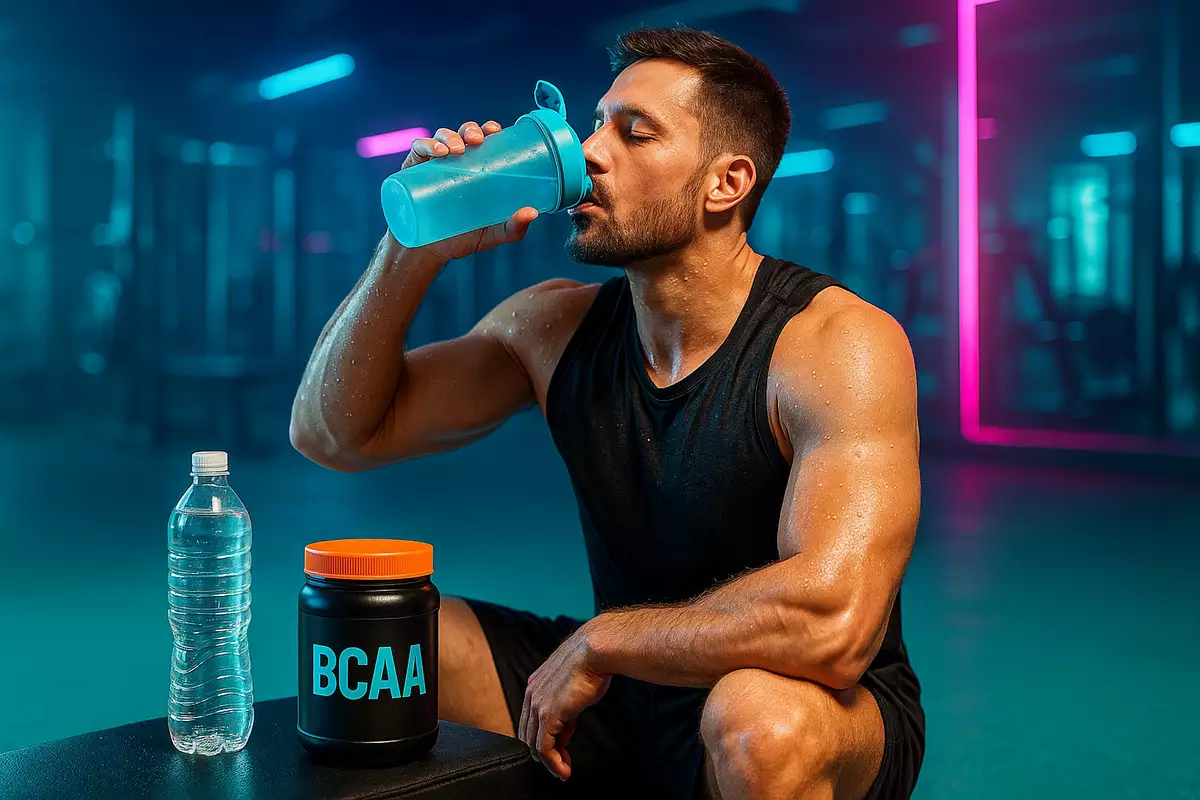

Ever pushed through a long, intense workout and felt your energy crash halfway?
Staying hydrated is critical—but sometimes, water alone isn’t enough. This is where BCAAs can step in, helping you stay fueled, protect muscle, and recover faster.
As a fitness trainer who’s spent years in the gym and coached athletes of all levels, I’ve seen how the right mix of hydration and BCAAs can transform endurance and performance. Let’s break it down.
Table of contents
- BCAAs and Hydration in Long Training Sessions
- Why Hydration Matters Most for Endurance and Strength
- How BCAAs Support Performance and Recovery
- Best Timing and Dosage of BCAAs During Workouts
- Combining BCAAs with Electrolytes and Water
- Real-World Examples: Athletes Using BCAAs in Long Sessions
- Trainer’s Practical Tips for Staying Fueled and Hydrated
- Final Thoughts – Who Should Actually Use BCAAs
BCAAs and Hydration in Long Training Sessions
When your workout runs over an hour, staying hydrated is essential. Water and electrolytes should always come first.
But adding BCAAs (branched-chain amino acids) can make a noticeable difference in performance and recovery. This is especially true during intense or fasted training sessions.
I’ve personally felt the boost. During a 90-minute leg workout, I sipped on a BCAA powder halfway through and finished strong. I also noticed less soreness the next day. It’s not magic, but it helps preserve muscle and keeps you going when energy dips.
⚡ BCAAs without a plan = wasted money
Wrong time = zero muscle recovery. Wrong dose = money down the drain.
Fix My BCAA Timing FreeWhy Hydration Matters Most for Endurance and Strength
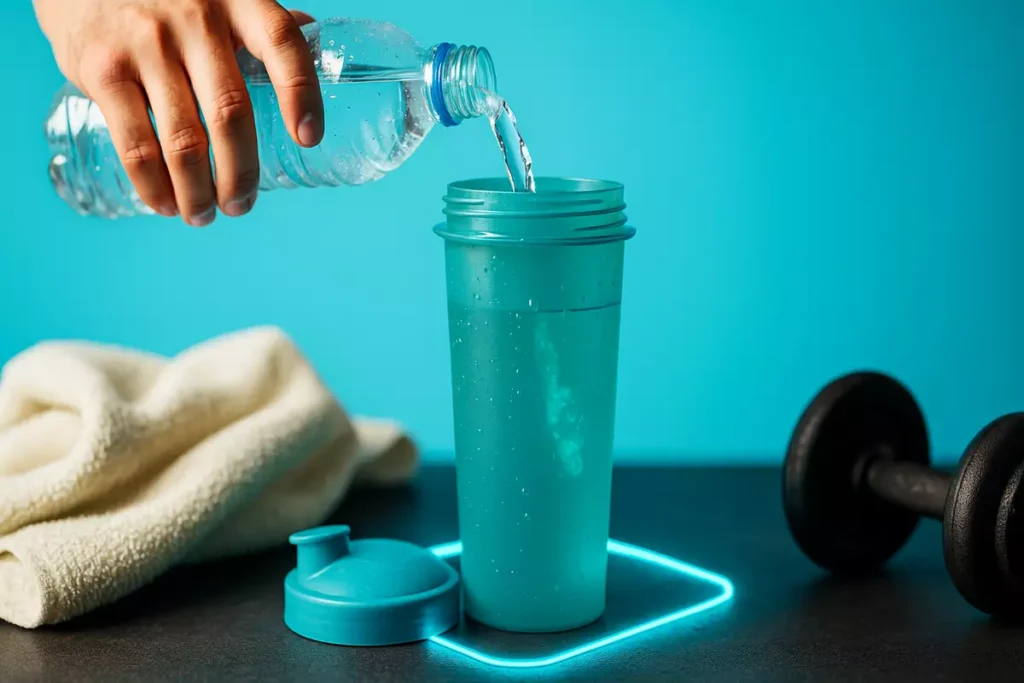
Hydration is non-negotiable. Without enough fluids, your muscles lose efficiency, you cramp faster, and your energy plummets.
One of my clients, Ethan, learned this the hard way. He relied only on concentrated BCAA drinks with barely any water during workouts.
Instead of feeling energized, he ended up dehydrated and cramping. Lesson learned: water is always your base for long sessions, with electrolytes when sweat loss is high.
How BCAAs Support Performance and Recovery
BCAAs—leucine, isoleucine, and valine—are essential amino acids. They help reduce muscle breakdown and speed up recovery during demanding sessions.
When Lucas, a marathon trainee I coached, added BCAAs with electrolytes to his long runs, he reported less soreness. He also recovered faster between training days.
Similarly, Sophia, a bodybuilding competitor, uses BCAAs during double sessions. This helps protect her lean mass during calorie cuts and intense weightlifting.
You just read everything about BCAAs. Now let’s make it work for YOUR body.
I’ll design your personalized supplement protocol — exact timing, dosage, and stacking for your specific goal. No templates. No bots. A real coach who reads your answers.
Pay what you want after you receive it. No risk. No pressure.
Best Timing and Dosage of BCAAs During Workouts

For most people, sipping BCAAs during the session works best.
I personally mix a standard 2:1:1 ratio formula with electrolytes in about a liter of water. I drink it throughout workouts longer than an hour.
If your session is shorter than 60 minutes, you usually won’t need them unless you’re training fasted or cutting calories aggressively. For bulking phases, check out this guide.
Combining BCAAs with Electrolytes and Water
BCAAs work best when combined with proper hydration and electrolytes.
I like to add coconut water powder to my mix for a natural hydration boost. This combo keeps muscles fueled and helps replace minerals lost through sweat.
If you’re using flavored BCAAs, you might want to read this comparison to pick what suits you best.
Real-World Examples: Athletes Using BCAAs in Long Sessions

- Lucas (marathon runner): Reduced soreness and improved endurance during 2-hour runs with BCAAs and electrolytes.
- Sophia (bodybuilder): Prevents muscle loss during long competition prep sessions.
- Maria (new trainee): Improved endurance and consistency simply by pre-preparing a BCAA shaker and sipping during workouts.
Some advanced trainees also take BCAAs multiple times a day for extended recovery—see this guide for details.
Trainer’s Practical Tips for Staying Fueled and Hydrated
- Start every session with at least 500 ml of water.
- Sip on a liter of water mixed with BCAAs and electrolytes during longer workouts.
- Watch urine color—it’s an easy hydration indicator.
- Adjust BCAA use based on workout type: prioritize hydration for cardio, add BCAAs for long resistance training or calorie deficits.
- Understand the difference between BCAAs and creatine for strength and size gains in this comparison.
Final Thoughts – Who Should Actually Use BCAAs
BCAAs aren’t mandatory for everyone. If you’re well-fed, hydrated, and training under an hour, water alone usually suffices.
But for athletes pushing through long, intense, or fasted sessions, BCAAs can help maintain muscle, fight fatigue, and speed up recovery.
I’ve seen it work for myself and countless clients—it’s a simple, practical tool when used right.
Leave a Reply