

Feeling sore after training and wondering if your morning coffee can do more than just wake you up?
That deep muscle tenderness you feel a day or two after a hard workout is called DOMS — Delayed Onset Muscle Soreness.
And caffeine isn’t just a pre-workout buzz — it’s one of the fastest, science-backed tools for reducing that soreness, speeding up recovery, and staying consistent with your training.
✅ Here are the 3 fast caffeine recovery hacks that cut DOMS:
- The Right Timing Take caffeine within 30–60 minutes post-workout
- The Optimal Dose Use 100–200 mg for recovery without wrecking sleep
- The Best Stack Pair caffeine with 5 g creatine + 30 g whey for amplified results
These are the exact strategies I use with my athletes, backed by research and real-world coaching.
🚀 Let’s break each one down with practical science and no hype.
Table of contents
- Best Time to Take Caffeine for Recovery
- Optimal Caffeine Dosage for Muscle Recovery
- How to Stack Caffeine for Better Recovery
- Can Caffeine Help with Muscle Recovery?
- Pre‑Workout vs. Post‑Workout Caffeine for Recovery
- How Caffeine Affects Muscle Soreness and Recovery
- Who Should Avoid Post‑Workout Caffeine?
- Real Results: What My Athletes Experienced
- Common Questions About Caffeine and Muscle Recovery
- Final Verdict: Is Caffeine Worth Using for Recovery?
Best Time to Take Caffeine for Recovery
Hack #1: The Right Timing
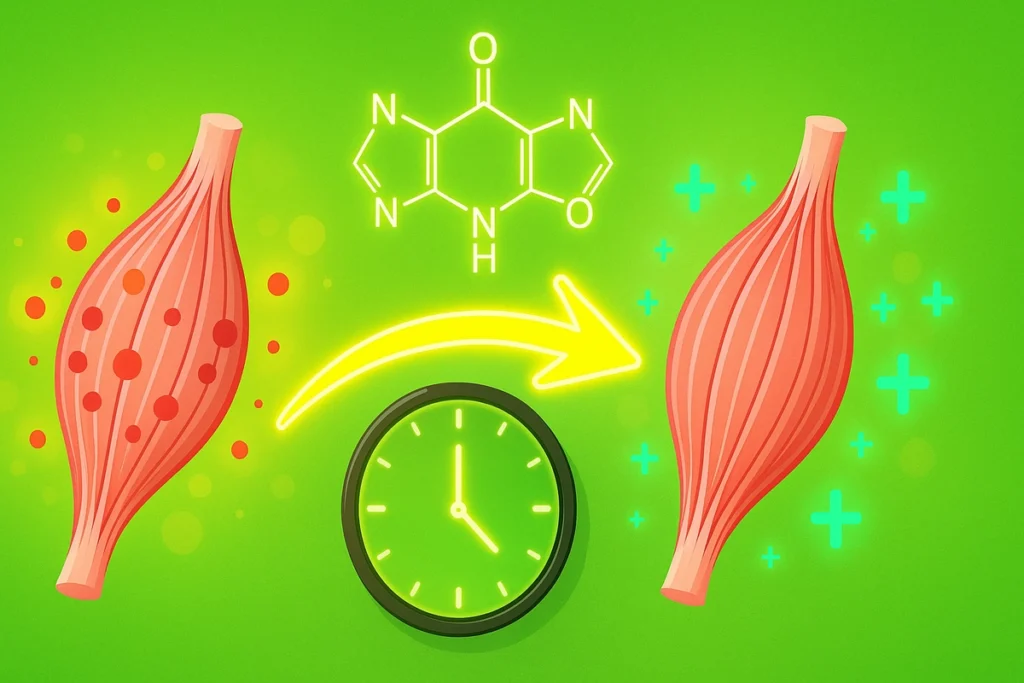
Timing changes everything.
Most people reach for caffeine before training. But if recovery and soreness are your goal, post-workout is where caffeine really shines.
Take it within 30–60 minutes after your session. This fights post-training fatigue, sharpens mental clarity, and reduces how sore you feel later — especially useful if you train in the morning or early afternoon and still have a full day ahead.
Best forms for post-workout recovery:
- Black coffee (clean, zero sugar crash)
- Caffeine tablets (precise dosing, no jitters)
One of my athletes, Mike from Canada, switched from sugary energy drinks to a simple 200 mg caffeine pill post-workout. The result? Steadier energy, less jitteriness, and noticeably less next-day stiffness.
If you’re still experimenting with timing, here’s my full guide on the best time to take caffeine for performance.
⚡ Caffeine crashes hitting hard?
Timing and cycling fix the energy rollercoaster completely.
Maximize Energy Without Crashing FreeOptimal Caffeine Dosage for Muscle Recovery
Hack #2: The Right Dose

More isn’t always better. For recovery, the sweet spot is 100–200 mg of caffeine post-workout — enough to reduce perceived soreness and sharpen focus, without wrecking your sleep or making you jittery.
Quick dosage guide:
- 100 mg (1 cup of coffee or ½ tablet): Mild soreness, lighter training days, or if you’re caffeine-sensitive.
- 200 mg (2 cups of coffee or 1 tablet): Heavy leg days, high-volume sessions, or when DOMS usually hits you hardest.
- Above 200 mg: Rarely needed for recovery. Higher doses increase the risk of sleep disruption, anxiety, and dependency.
How to find your dose:
Start low (100 mg) and see how your body responds. If soreness drops and sleep stays solid, stick with it. If you feel wired at bedtime, cut the dose or shift your training earlier.
Coach’s tip: Cycle your caffeine. Use it on your hardest training days, not every session. This keeps it effective and prevents tolerance from killing the recovery benefit. Need a reset? Read my guide on how to safely reset your caffeine tolerance.
How to Stack Caffeine for Better Recovery
Hack #3: The Best Stack
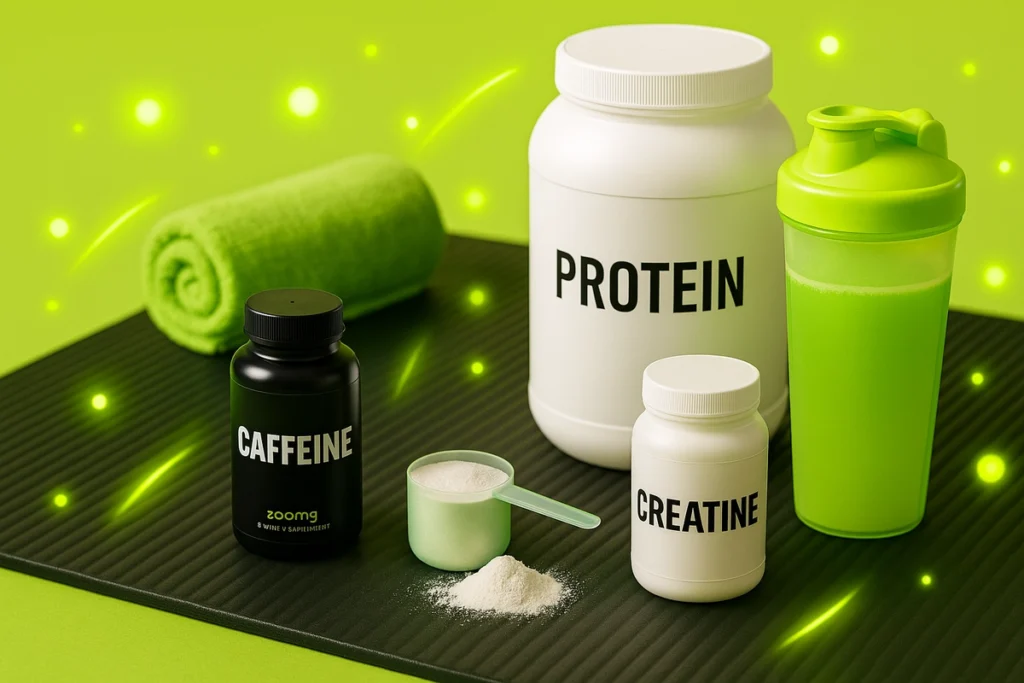
Caffeine works even better when paired with the right recovery partners. Used smartly, a simple post-workout stack can slash soreness, replenish energy, and set you up for a stronger next session.
The coach’s go-to recovery stack:
- 100–200 mg caffeine (black coffee or clean tablet)
- 5 g creatine monohydrate
- 30 g whey protein
This trio hits three recovery pathways at once: caffeine reduces soreness perception, creatine supports ATP replenishment, and whey supplies fast-digesting amino acids for muscle repair. I’ve used this exact combo personally after brutal leg days — less next-day heaviness and better energy throughout the week.
Real results:
Omar from the UAE was deep into a cut, dragging hard after workouts. We added a 150 mg caffeine pill to his protein shake with creatine. His DOMS dropped noticeably, and he had the energy to attack his next session instead of suffering through it.
Other effective stack options:
- Caffeine + EAAs + electrolytes: Great for fasted training or hot environments where hydration matters more.
- Caffeine + carbs (post-workout): Useful if you train twice a day and need rapid glycogen refill alongside soreness relief.
Coach’s reminder: The stack supports recovery — it doesn’t replace sleep, calories, or smart programming. Layer it on top of solid habits, not instead of them.
You just read everything about caffeine. Now let’s make it work for YOUR body.
I’ll design your personalized supplement protocol — exact timing, dosage, and stacking for your specific goal. No templates. No bots. A real coach who reads your answers.
Pay what you want after you receive it. No risk. No pressure.
Can Caffeine Help with Muscle Recovery?

Yes — caffeine can help with muscle recovery and reduce soreness, especially after intense training sessions.
It won’t magically heal your DOMS overnight, but it can make the pain more manageable. From what I’ve seen — both in myself and my clients — caffeine may help reduce post-workout fatigue, improve circulation, and ease that “next-day stiffness” we all know too well.
But here’s the truth: it works best as a complementary tool, not a shortcut. Real recovery still depends on sleep, nutrition, and smart programming.
If you’re using caffeine regularly, be sure to check out how to reset your caffeine tolerance to keep it effective long-term.
Pre‑Workout vs. Post‑Workout Caffeine for Recovery
Most people take caffeine before a workout for energy and focus. But when recovery and soreness are the goal, the rules change.
The table below breaks down the critical differences between using caffeine pre‑workout and post‑workout, so you can decide which protocol fits your current training phase.
Factor | Pre-Workout Caffeine | Post-Workout Caffeine |
|---|---|---|
Primary goal | Performance, focus, pain reduction during sets | Recovery, DOMS relief, mental reset after training |
Effect on muscle soreness | Indirect – reduces perceived exertion, may slightly lower next-day soreness | Direct – studies and athlete experience show a noticeable drop in next-day stiffness |
Typical dose | 3–6 mg per kg of body weight | 100–200 mg (moderate dose) |
Best form | Coffee, pre-workout powder, caffeine pills | Black coffee or clean caffeine tablet (no sugar crash) |
Risk of sleep disruption | High if taken late in the day | Moderate – avoid within 5–6 hours of bedtime |
Recommended for | Max strength, high-intensity, or competition days | Volume/hypertrophy blocks, morning sessions, or if DOMS is slowing you down |
Want the full timing protocol? Jump to When to Take Caffeine for Best Recovery Impact – or keep reading to see how this played out for real athletes.
How Caffeine Affects Muscle Soreness and Recovery
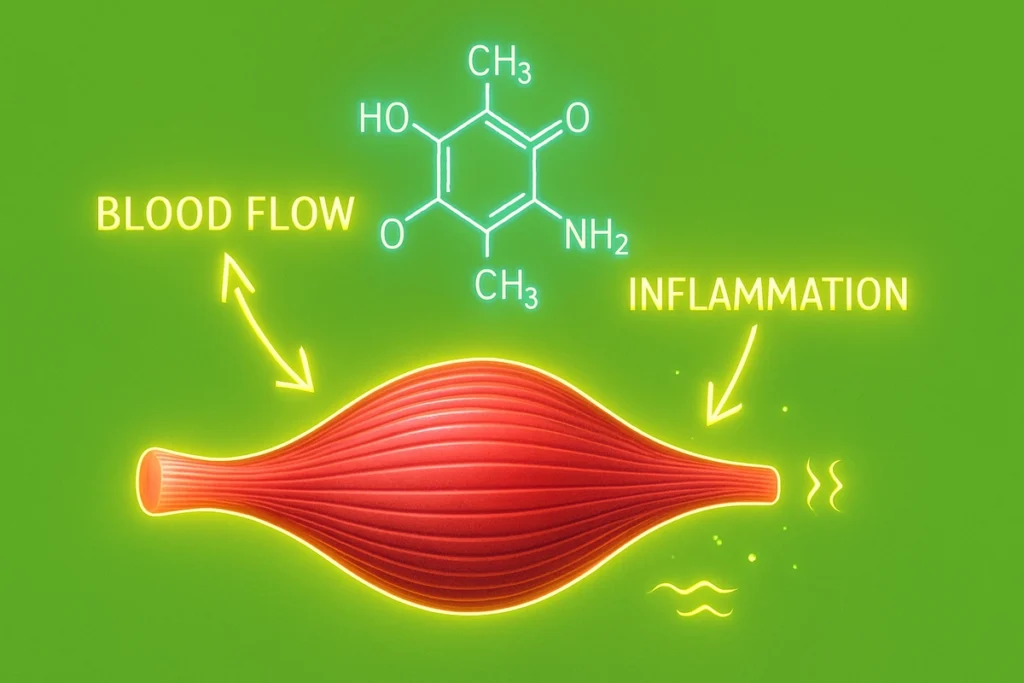
Caffeine does more than just wake you up. Studies show it has anti-inflammatory properties, and it can reduce the perception of pain, which is a game-changer during the recovery phase.
It also enhances blood flow, which helps deliver nutrients and oxygen to damaged muscle tissue. That’s exactly what you want after a brutal hypertrophy or volume-focused workout.
As a coach, I’ve found caffeine particularly helpful for reducing DOMS (delayed onset muscle soreness) in high-rep training programs.
One of my clients, Lucia from Spain, was doing heavy eccentric work during a fat-loss phase. After we added caffeine to her post-workout routine, her soreness was cut in half — and her mood improved, too.
You can also compare caffeine vs. pre-workouts if you’re considering which option is better for your needs.
What the Research Says About Caffeine and DOMS
The idea that caffeine helps with muscle soreness isn’t just gym talk — there’s solid science behind it. Here are three key studies that back it up:
- Maridakis et al. (2007): After eccentric exercises, subjects taking the equivalent of ~2 cups of coffee had up to 48% less quadriceps muscle pain during max contractions compared to placebo. Caffeine didn’t mask strength loss, but it made the pain far more tolerable. View study →
- Gliottoni et al. (2009): Regular and non-regular caffeine users saw a significant drop in leg muscle pain during 30 minutes of high-intensity cycling after a moderate caffeine dose. This suggests caffeine’s pain-reducing effect works regardless of your daily coffee habits. View study →
- Hurley et al. (2013): Caffeine before resistance training not only increased total reps but also significantly lowered DOMS on days 2 and 3 post-workout. This shows caffeine helps during the session and in the days that follow — exactly when soreness peaks. View study →
Together, these findings explain why caffeine is becoming a go-to recovery tool — it reduces pain perception during training and eases next-day soreness when you need relief most.
Who Should Avoid Post‑Workout Caffeine?
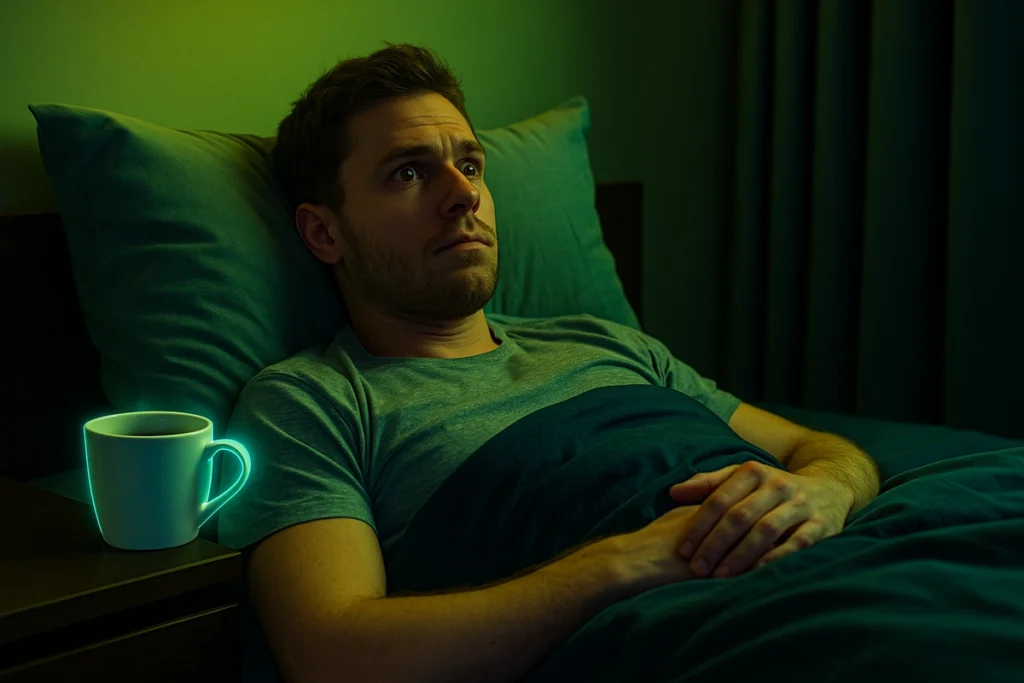
Caffeine is a powerful recovery tool — but it’s not for everyone. Used the wrong way, it can backfire and hurt the very recovery you’re trying to improve.
❌ Skip post-workout caffeine if:
- You train late at night. Caffeine within 5–6 hours of bed can wreck deep sleep, which is where real muscle repair happens. One of my clients, Sara from the U.S., took a strong coffee after a night workout and her sleep quality tanked within a week. We removed all post-workout stimulants and her recovery rebounded fast.
- You’re already a heavy caffeine user. If you’re drinking 3+ cups of coffee daily, adding more can spike stress hormones like cortisol, disrupt digestion, and keep your nervous system stuck in overdrive — the opposite of recovery.
- You struggle with anxiety or getting restful sleep. Caffeine amplifies an already overactive nervous system. In these cases, it delays the shift into “rest and repair” mode and can make you feel wired but exhausted.
What to do instead:
Stick to natural recovery tools — prioritize sleep, hydration, and proper nutrition. Once those are dialed in, you can cautiously test small doses (50–100 mg) earlier in the day.
For a deeper dive, read my guide on managing caffeine dosage for fat burning and focus before deciding how much is right for your goals.
Real Results: What My Athletes Experienced

The science is solid, but here’s what these 3 hacks actually look like in practice — with real lifters, real soreness, and real results.
My experience:
After brutal leg days, I used to wake up feeling like I’d been hit by a truck. Switching from pre-workout caffeine to a 200 mg caffeine pill or strong black coffee within 30 minutes post-session changed that.
The next-day heaviness in my quads dropped noticeably, and I felt sharper mentally instead of wiped out. Now it’s a non-negotiable part of my recovery protocol after high-volume sessions.
Daniel, UK — high-volume back days:
Daniel was running a push-pull-legs routine with punishing high-volume pull days. Deadlifts, rows, pull-ups — the works. Post-workout soreness was killing his momentum.
We introduced 200 mg caffeine paired with his whey shake immediately after training. Within a week, he reported a big drop in upper back stiffness and said he recovered faster mentally. He wasn’t just less sore — he was ready for the next session.
Lucia, Spain — eccentric-focused fat loss phase:
Lucia was deep into a cut with heavy eccentric work, which is a recipe for brutal DOMS. We added 150 mg post-workout caffeine to her routine. Her soreness was cut roughly in half, and her mood improved too — a big deal when calories are low and training is hard.
The takeaway:
Caffeine’s recovery benefit isn’t just physical. It helps with mental clarity and motivation, which keeps your training momentum strong when soreness might otherwise derail it. That’s where these 3 hacks really earn their place.
Common Questions About Caffeine and Muscle Recovery
Yes. Caffeine can reduce how sore your muscles feel after a workout, especially after tough training. It works by lowering your perception of pain and improving blood flow to damaged tissue. It won’t erase DOMS completely, but it can make it easier to move and train the next day.
A moderate dose of 100 to 200 milligrams works best for most people. That’s roughly one strong cup of black coffee or one caffeine pill. More isn’t better—higher doses can interfere with sleep and raise stress hormones without giving extra recovery benefits.
The best time is within 30 to 60 minutes after your workout. Taking caffeine post-workout can fight post-training fatigue, sharpen your mind for the rest of the day, and reduce how stiff you feel the next morning. Avoid caffeine if your training session ends within 5 hours of bedtime.
Yes. Caffeine pairs well with creatine and whey protein. A common recovery stack is 150 to 200 milligrams of caffeine, 5 grams of creatine, and 30 grams of whey protein taken after training. There are no negative interactions, and the combination may help reduce soreness while supporting muscle repair.
Not if you time it right. Caffeine has a half-life of about 5 hours, meaning half of it is still in your system after that time. If you train in the morning or early afternoon, post-workout caffeine is safe for sleep. If you train late at night, skip it completely.
Both work. Coffee provides antioxidants and a familiar ritual, but the caffeine dose can vary cup to cup. Caffeine pills give you a precise, predictable dose without any sugar or extra calories. Pick whichever fits your routine and gut tolerance best.
Final Verdict: Is Caffeine Worth Using for Recovery?

Caffeine won’t erase DOMS overnight, but it’s one of the few recovery tools that’s fast, cheap, and actually backed by science.
If you want to stay sharp, reduce muscle soreness, and feel more energized between sessions — caffeine can absolutely help. The key is using it strategically, not mindlessly.
✨ The 3-hack recap:
- Timing: 30–60 minutes post-workout
- Dose: 100–200 mg
- Stack: Caffeine + creatine + whey
✅ Who should use it:
- Beginners: Master sleep, nutrition, and hydration first. Then add post-workout caffeine at 100 mg and see how your body responds.
- Advanced lifters: Caffeine is a reliable recovery ally — both physically and mentally. Use it on high-volume days or when DOMS threatens your next session.
💪 The rules that keep it working:
- Don’t rely on it every day. Cycle your caffeine.
- Never sacrifice sleep for a caffeine boost.
- Post-workout caffeine isn’t a shortcut — it’s a layer on top of solid recovery habits.
Coach’s tip:
Test it on yourself. Add 100–200 mg post-workout for one week and track two things: soreness and sleep quality. If soreness drops and sleep stays intact, you’ve found a recovery edge that costs pennies a day. If sleep suffers, dial the dose down or shift your training earlier.
That’s the real magic of caffeine — not hype, just a simple tool that works when you use it right.
Leave a Reply