


You’re training hard, eating right, but still waking up stiff, sore, and far from recovered. The missing piece? The casein protein benefits you’ve been overlooking.
Rooted in its unique slow‑release nature, casein is the overnight game‑changer your muscles have been starving for.
If you’re serious about building muscle, recovering faster, and finally maximizing overnight growth, slow‑digesting casein is your secret weapon.
Unlike fast‑acting proteins, casein forms a gel in your stomach and releases amino acids steadily for 6–8 hours – keeping your muscles fed and protected even while you sleep.
I personally started using casein over seven years ago, and the difference was undeniable. Waking up fuller, less sore, and ready to perform became my new normal, and it’s something I now recommend to many of my clients too.
Table of contents
What Is Casein Protein?
Casein is the main protein in milk — making up about 80% of its total protein content.
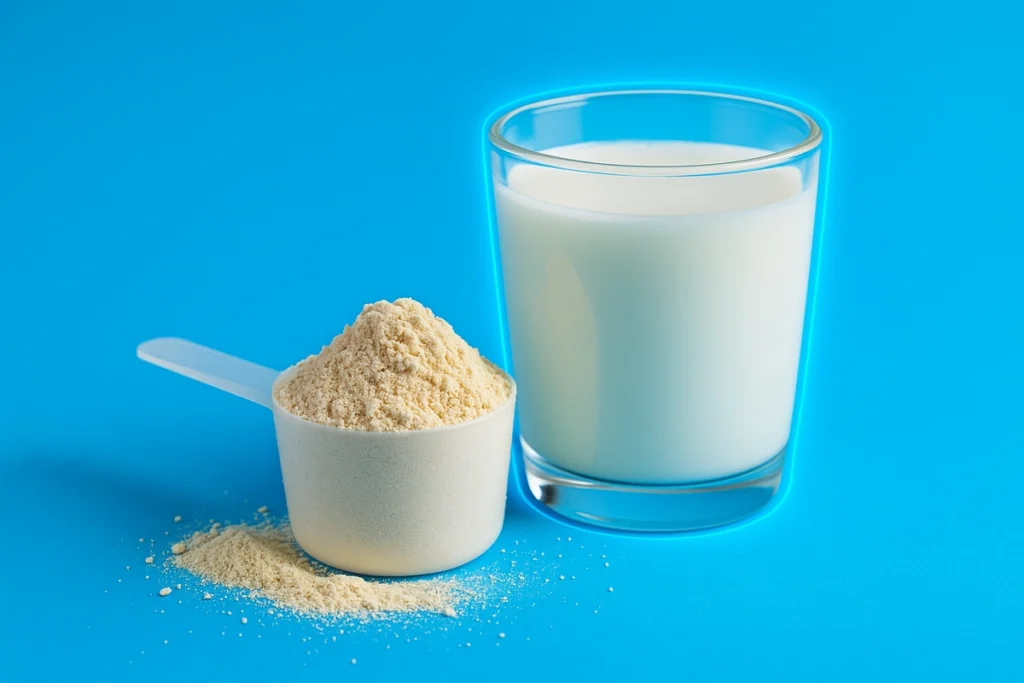
Unlike fast-digesting whey, casein forms a gel in your stomach and releases amino acids slowly for up to 6–8 hours, supporting muscle repair during long gaps without food, like sleep.
This slow-release effect is exactly what makes casein so powerful for overnight recovery and extended fasting periods.
What makes it truly special? While whey sparks a rapid amino acid spike ideal for post-workout recovery, casein delivers a steady trickle — acting like a time-released drip feed that keeps your muscles in repair mode for hours.
And if you’re wondering how casein fits into the bigger picture alongside other recovery options, check out EAAs vs Protein Powder — it’ll help you choose what works best for your goals.

Tell us your goal & discover your perfect stack — backed by science, no BS.
Free. Takes 2 Min | No sign-up needed
Top Casein Protein Benefits

Casein protein’s slow‑digesting nature delivers four key advantages:
- Slow‑release amino acids – fuels your muscles for up to 7–8 hours
- Overnight muscle protection – reduces muscle breakdown while you sleep
- Enhanced recovery – less soreness, faster repair overnight
- Long‑lasting fullness – helps control appetite between meals
Below, I break down each benefit in detail and share how it actually shows up in real life – for me and my clients.
1. Slow‑Release Amino Acids for Hours
When you take casein, your muscles don’t just get a quick protein spike – they get a long, steady drip feed of amino acids. It’s like putting your body into “recovery mode” for hours, even while you’re resting.
ℹ️ How long does casein take to digest?
Research shows that micellar casein forms a clot in the stomach and takes up to 6–8 hours to fully digest.
During that time, blood amino acid levels stay elevated, which means your muscles are constantly being fed the building blocks they need to repair and grow.
Personally, I noticed the difference almost immediately. After brutal leg days, I used to wake up sore and stiff. Once I added a casein shake before bed, that next‑morning stiffness dropped dramatically. Waking up feeling “ready to go” instead of wrecked? That was the game‑changer for me.
2. Helps Prevent Muscle Breakdown Overnight
Sleep is the longest period your body goes without food — often 7–9 hours. During that time, muscle protein breakdown can creep up, especially if your last meal was hours ago.
Casein helps slow that process down by supplying a steady stream of amino acids, so your body is less likely to tap into your hard‑earned muscle for fuel.
One of my clients, David from the UK, was struggling with this exact issue during his bulking phase. He’d wake up feeling flat and ravenous, and his morning energy was all over the place.
We added a simple casein shake before bed, and within a couple of weeks, his morning strength felt way more consistent. Over three months, he packed on 2.5 kg of lean mass and felt stronger than ever. It was one of the simplest yet most effective tweaks we made.
For a deeper dive into the science behind this, check out Why Take Casein Before Bed?.
3. Enhances Overnight Muscle Recovery
The bulk of muscle repair and growth happens while you sleep — but only if your body has the right nutrients to work with. That’s where casein shines. Its slow release matches your body’s natural repair window, delivering amino acids right when they’re needed most.
I saw this play out beautifully with Maria, a fat‑loss client from Spain. She was in a calorie deficit but desperate to hold on to muscle, and her late‑night snacking habit was making things worse. I had her swap those snacks for a small, protein‑packed casein pudding before bed.
Not only did her recovery improve, but she was also able to retain her muscle mass while dropping body fat consistently. It became her favorite part of the day — a guilt‑free treat that actually supported her goals.
4. Promotes Fullness (Helps Manage Appetite)
Because casein moves through your system so slowly, it keeps hunger in check for hours — especially at night, when cravings can derail even the most disciplined plan.
In my own experience, a casein shake around 10 p.m. completely changed my relationship with late‑night eating. Those “snack attacks” that used to sabotage my cut phases? Gone.
The slow‑digesting protein kept me full and satisfied, and I woke up without that hollow, starving feeling. It became a simple habit that supported both my muscle growth and my consistency, without feeling like I was forcing willpower.
Casein vs Whey: Key Differences & Which to Choose
Both come from milk, but they couldn’t work more differently. Here’s how they stack up:
Factor | Casein | Whey |
|---|---|---|
Digestion Speed | Slow (up to 7–8 hours) | Fast (30–60 minutes) |
Amino Acid Release | Gradual, sustained drip feed | Rapid spike |
Best Time to Take | Before bed or long fasts | Post-workout |
Primary Role | Overnight recovery, anti-catabolic | Quick muscle protein synthesis |
✨ The short version: Whey is your immediate post-training repair crew. Casein is the overnight bodyguard that protects your gains during sleep and long gaps without food.
For a complete breakdown — including which one suits your specific training style and goals — check out Casein vs Whey for Muscle Growth.
Best Times to Take Casein Protein
The best time to take casein is before bed — ideally about 30–60 minutes before you hit the pillow.

Take this 2-minute assessment & get a science-backed training, nutrition & supplement roadmap built for YOUR body.
🔬 12,000+ personalized roadmaps generated
This gives your body that slow, steady supply of protein while you sleep and do the most repairing.
Casein also shines during long fasting periods, like between lunch and a late dinner, or even during intermittent fasting when you want to avoid muscle breakdown.
How to Use Casein Protein: Easy Recipes & Tips
Adding casein is simple and delicious once you find what works for you.
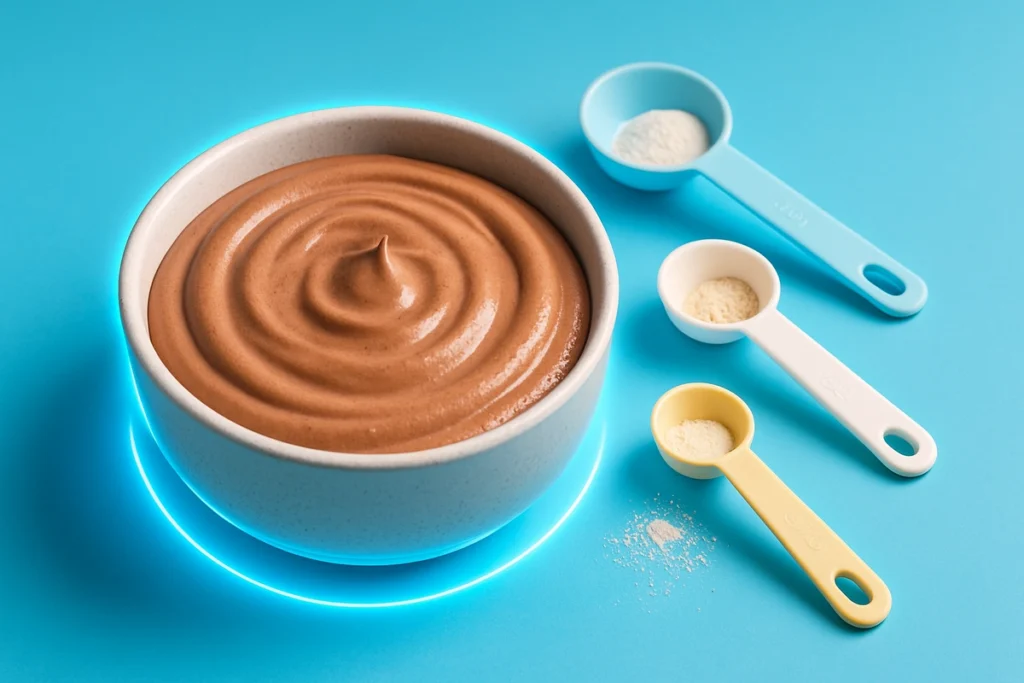
Here are three go-to methods I personally use and recommend to my clients:
- Simple Shake
Mix one scoop of casein with cold water or almond milk. Shake well and drink immediately — it’s quick, clean, and gets the job done with zero fuss. - Protein Pudding
Use half the usual amount of liquid for a thick, creamy dessert-like texture. Let it sit for 2–3 minutes after mixing so it thickens up naturally. Perfect for when cravings hit before bed. - Yogurt Mix
Stir a scoop of casein into a bowl of Greek yogurt and add a sprinkle of cinnamon. It creates a high-protein, satisfying snack that tastes like dessert but fuels your muscles for hours.
How to Choose the Best Casein Powder
Not all casein is created equal. After years of trial and error — and coaching clients like Alex from Canada, who struggled with bloating until we switched brands — here’s what actually matters:
- Micellar casein (not cheap caseinate blends)
- Microfiltered for lower lactose and easier digestion
- No artificial thickeners or gums that cause bloating
- Third-party tested for purity and label accuracy
A clean formula makes all the difference — not just for results, but for how your stomach feels.
For my top picks with full breakdowns, see Best Casein Protein for Overnight Recovery.
🚀 Pro Tip: If you’re new to casein, start with half-servings and see how your digestion responds. Once you know your body handles it well, bump up to a full scoop. Quality over speed — always.
Casein Protein FAQs
Neither is outright better — they serve different purposes. Whey is ideal post-workout for fast muscle protein synthesis. Casein is superior for overnight recovery and preventing muscle breakdown during long fasts. For maximum results, many athletes use both.
Yes. While casein is most popular before bed, taking it during the day — especially between meals or during long gaps without food — helps maintain a steady amino acid supply and curbs hunger. It works well as a slow-digesting snack.
Yes, indirectly. Casein’s slow digestion keeps you feeling fuller for longer, which can reduce cravings and overall calorie intake. It also helps preserve lean muscle mass during a calorie deficit, which keeps your metabolism running higher.
Some people experience bloating due to lactose sensitivity or low-quality casein blends with added thickeners and fillers. Switching to a microfiltered, pure micellar casein often solves the issue — which is exactly what Alex, one of my clients, discovered after we changed brands.
Ideally 30–60 minutes before sleep. This gives your body time to start digestion and ensures a steady flow of amino acids throughout the night, supporting muscle repair while you rest.
A standard serving is 25–30 grams, which provides enough slow-release amino acids to support recovery for up to 7–8 hours. If you’re new to casein, start with a half-serving to see how your digestion responds.
Yes. For most healthy individuals, taking casein nightly is safe and effective when used as part of a balanced diet. It’s simply a milk-derived protein — not a stimulant or synthetic compound. Just choose a high-quality, clean formula.
Final Thoughts: Is Casein Worth It for You?

If you’re serious about building muscle, speeding up recovery, and controlling hunger, casein protein is absolutely worth it.
It’s more than a bedtime shake – it’s a slow‑digesting protein that works overnight, protecting your muscle and supporting recovery while you sleep.
As a trainer, I’ve seen firsthand how this simple habit helps athletes wake up stronger, less sore, and ready to perform. Whether you’re bulking, cutting, or just aiming to stay lean and strong, casein fits seamlessly into the routine.
If you’ve made it this far, you probably already know your next step. Still undecided? Check out my Best Casein Protein for Overnight Recovery guide for clean, effective picks – or explore more science‑backed articles below.

Leave a Reply