

If your workouts feel flat, weak, or lack that tight muscle-filling pump, nutrition is usually the missing link—not training intensity. Muscle pump isn’t random. It’s driven by what you eat, when you eat it, and how well your body uses those nutrients.
Through years of coaching and personal testing, I’ve seen the same pattern repeat: lifters who fuel properly get stronger pumps, better muscle connection, and more productive sessions. Those who ignore pump nutrition often feel “off” no matter how hard they train.
The right foods increase blood flow, muscle hydration, and glycogen storage. This creates fuller muscles during training and supports better performance across high-volume and hypertrophy workouts.
In this guide, I’ll break down the best foods for muscle pump based on real-world coaching experience, practical science, and what actually works in the gym—not hype or supplement marketing.
Table of contents
- Direct Answer First
- How Muscle Pump Works (Quick Explanation)
- Best Carbohydrate Foods for Muscle Pump
- Best Nitrate-Rich Foods for Blood Flow
- Best Sodium & Electrolyte Foods for Pumps
- Best Fats That Support Pumps (In Moderation)
- Best Pre-Workout Food Combos for Muscle Pump
- Foods That Can Kill Your Pump
- FAQ Section
Direct Answer First
If you want bigger, fuller muscle pumps, food matters more than most lifters realize. From my coaching experience, the best foods for muscle pump are fast-digesting carbohydrates, nitrate-rich vegetables, and adequate sodium, eaten at the right time.
When these come together, blood flow improves, muscles fill with glycogen and water, and training performance noticeably jumps—especially when you understand principles like carb loading for training performance.
I’ve tested this on myself for years and applied it with hundreds of clients.
When pump nutrition is right, you feel stronger, more connected to the muscle, and able to push harder set after set—and that consistency is key if you want to stick to your diet long term.
How Muscle Pump Works (Quick Explanation)
A muscle pump happens when several things align at once:
- Blood flow increases to the working muscle
- Muscle glycogen stores fill up
- Water is pulled into the muscle cell
- Nitric oxide causes blood vessels to dilate
- Electrolytes support muscle contraction
When one of these is missing—especially carbs or sodium—the pump feels flat no matter how hard you train.

Tell us your goal & discover your perfect stack — backed by science, no BS.
Free. Takes 2 Min | No sign-up needed
This becomes even more obvious when you’re fueling for double training sessions or pushing through high-volume weeks.
Best Carbohydrate Foods for Muscle Pump
Carbohydrates are the foundation of a good pump. They refill glycogen and pull water into muscle cells.
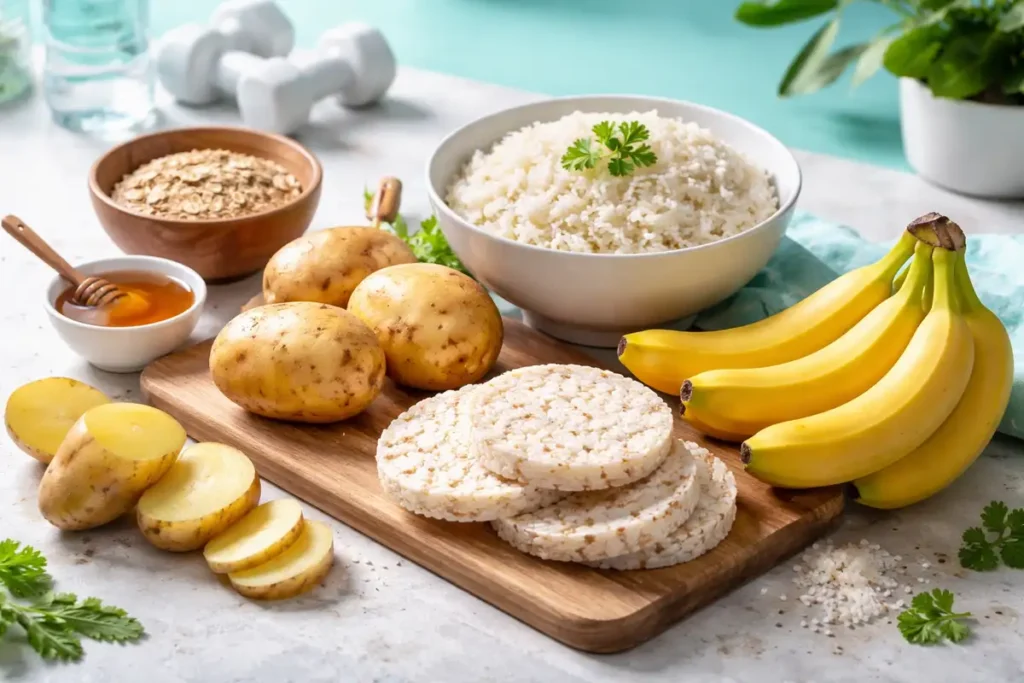
Top pump carbs I consistently use and recommend:
- White rice
- Potatoes (white or sweet)
- Oats
- Rice cakes
- Bananas
One real example: Marco, an advanced lifter from Italy, trained hard but complained about “dead” pumps.
His diet looked clean, but he relied on whole-grain pasta before workouts.
We switched to white rice with the same calories. Within a week, his pumps and vascularity noticeably improved during training, especially when paired with structured meals similar to these high-protein lunch ideas for muscle building.
Best Nitrate-Rich Foods for Blood Flow

Nitrates support nitric oxide production, which improves blood flow and muscle fullness.
Best choices:
- Beetroot
- Arugula
- Spinach
- Lettuce
- Celery
I’ve personally noticed that beetroot or leafy greens before high-volume sessions make pumps feel rounder and last longer.
This is especially noticeable during arm or shoulder workouts, and they also support recovery alongside foods known to reduce muscle soreness naturally.
Best Sodium & Electrolyte Foods for Pumps
Sodium is one of the most underrated pump nutrients.
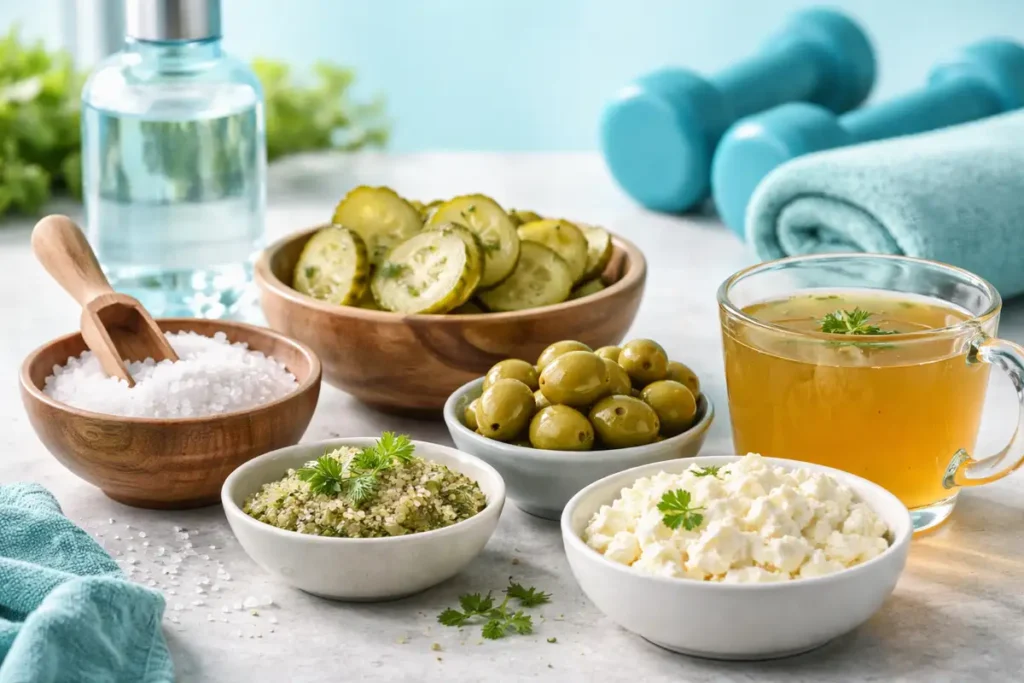
Effective options:
- Sea salt
- Olives
- Pickles
- Bone broth
- Cottage cheese
I’ve had days with high carbs but low salt and still felt flat.
Once sodium went back in, pumps returned immediately.
A client named Lucas from Brazil struggled with weak pumps despite solid nutrition. Increasing sodium around workouts completely changed his training feel and broke common nutrition myths and truths around salt intake.
Best Fats That Support Pumps (In Moderation)
Fats aren’t pump drivers, but the right ones support blood vessel health when timed properly.
Good options:
- Dark chocolate (85%+)
- Extra virgin olive oil
- Avocado
I keep fats moderate before training.
Too much fat slows digestion and kills pump quality, which is why I rely on guidance like choosing the best healthy cooking oils for muscle growth.
Best Pre-Workout Food Combos for Muscle Pump

These combinations consistently work in real life:

Take this 2-minute assessment & get a science-backed training, nutrition & supplement roadmap built for YOUR body.
🔬 12,000+ personalized roadmaps generated
- White rice + lean protein + sea salt
- Banana + honey + salt
- Oats + berries + dark chocolate
- Beetroot juice + fast carbs
My personal go-to is white rice, chicken, and salt about 60–90 minutes pre-workout.
I used this exact setup with Jason from Canada during hypertrophy phases, and his pumps stayed consistent across training blocks.
Foods That Can Kill Your Pump
Some foods work against pumps even if calories are correct:
- Very high-fat meals before training
- Too much fiber close to workouts
- Low sodium intake
- Poor hydration
Ahmed from the UAE ate nuts and avocado right before training.
Calories were fine, but pumps were always weak.
We moved fats away from training, and the issue disappeared.
FAQ Section
Fast-digesting carbs with sodium, such as rice cakes with honey and salt.
Yes. Carbs directly increase glycogen and muscle fullness, which drives pump quality.
Usually 30–90 minutes, depending on digestion speed and food choice.
Yes. Nitrate-rich vegetables support nitric oxide production and blood flow.
No. Adequate sodium improves hydration and muscle contraction, leading to better pumps.
Not directly, but strong pumps usually reflect better muscle engagement and training performance, which supports long-term hypertrophy.
From real-world coaching, I strongly disagree with the idea that “pump doesn’t matter.”
While it’s not magic, a good pump is often a sign that your nutrition, hydration, and training variables are working together—and that’s exactly where progress starts.

Leave a Reply