

Standing in the supplement aisle, staring at mass gainer and whey protein, completely stuck? You’re not alone.
Both can build muscle, but they serve radically different purposes. One is engineered for a calorie surplus when eating feels impossible. The other is lean, pure protein support—no extras, no fluff.
I’ve used both. I’ve coached clients through both. And I’ve seen the consequences of choosing wrong: wasted cash, stubborn fat gain, or frustratingly zero progress.
Below, you’ll find 9 scientific verdicts that settle this debate once and for all. By the end, you’ll know exactly which one belongs in your cart—based on your metabolism, your goals, and your actual diet.
Table of contents
- The 9 Scientific Verdicts: Mass Gainer vs Whey Protein
- What Is a Mass Gainer?
- What Is Whey Protein?
- Who Should Use Mass Gainer? (The Hardgainer’s Solution)
- Who Should Stick to Whey Protein? (The Lean Bulker’s Choice)
- How to Choose the Right One for You
- Common Mistakes to Avoid
- Frequently Asked Questions About Mass Gainers and Whey Protein
- Conclusion: Final Tips for Smart Bulking
The 9 Scientific Verdicts: Mass Gainer vs Whey Protein
At first glance, mass gainers and whey protein look similar — both come in a tub, both are mixed with liquid, and both support muscle growth.
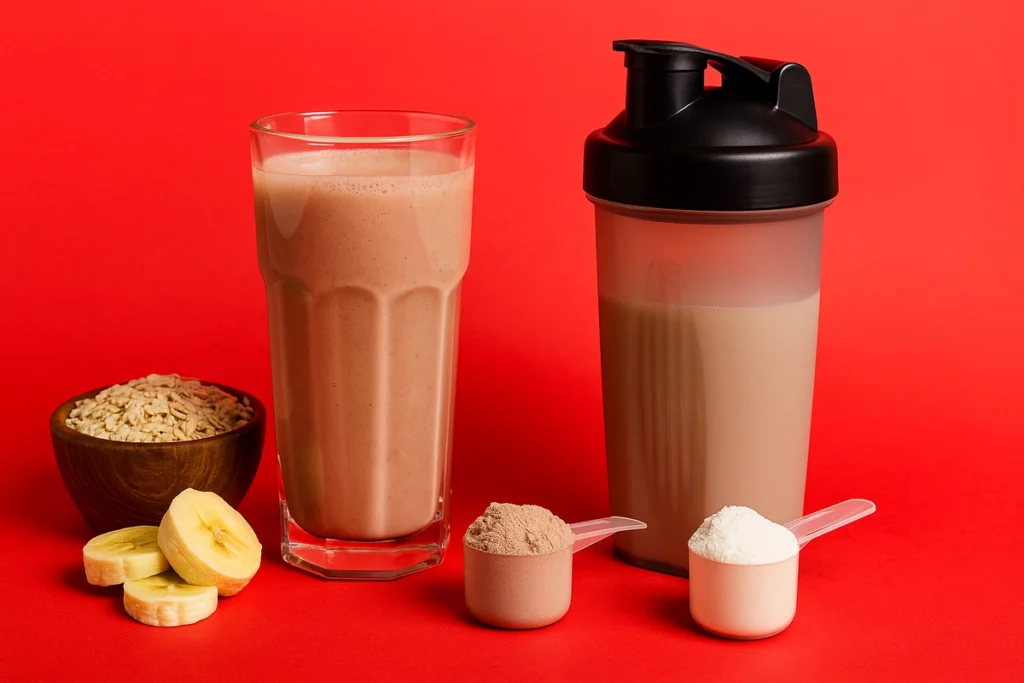
But their composition and purpose are fundamentally different.
Here’s a breakdown of exactly how they compare.

Feature | Mass Gainer | Whey Protein |
|---|---|---|
Calories | Very high (500–1200+) | Low (100–150) |
Main Purpose | Boost total calorie intake | Boost protein intake |
Macronutrients | High carbs + moderate protein | Mostly pure protein |
Best For | Hardgainers | Lean muscle building |
Digestion | Heavier, slower | Light, fast |
Cost | More expensive per serving | More affordable |
Protein per serving | 20–50g | 20–25g |
Carbs per serving | 80–200g+ | 2–5g |
Best time to use | Post-workout or between meals | Anytime (morning, post-workout, night) |
Calories and Macronutrients
The most obvious difference is calorie density.
- Mass gainers are designed to be high-calorie, typically delivering 500–1,200+ calories per serving. They achieve this by combining protein with a large amount of carbohydrates (and often fats). A single scoop might contain 50g protein and 200g+ carbs.
- Whey protein, by contrast, is intentionally low-calorie. A standard serving provides 100–150 calories with 20–25g of pure protein and minimal carbs or fats. It’s protein with almost nothing else.
Purpose and Best Use Case
These differences exist because each serves a distinct purpose.
- Mass gainers exist to solve one problem: difficulty eating enough calories. They’re for hardgainers, athletes with extreme metabolisms, or anyone struggling to maintain a calorie surplus through food alone. Think of them as a liquid meal replacement for weight gain.
- Whey protein solves a different problem: hitting daily protein targets. It’s for anyone who needs convenient, high-quality protein without the extra calories — whether you’re bulking lean, cutting, or maintaining.
Digestion and Feeling of Fullness
- Mass gainers are heavier. The high carb and calorie content slows digestion, keeping you full longer. This is helpful when you need sustained energy but can make drinking multiple shakes daily uncomfortable.
- Whey protein digests quickly — usually within 20–40 minutes. It empties from the stomach fast, making it easy to drink between meals without ruining your appetite for solid food.
What Is a Mass Gainer?
A mass gainer is a high-calorie supplement designed to help you consume lots of calories quickly when eating enough solid food feels impossible.
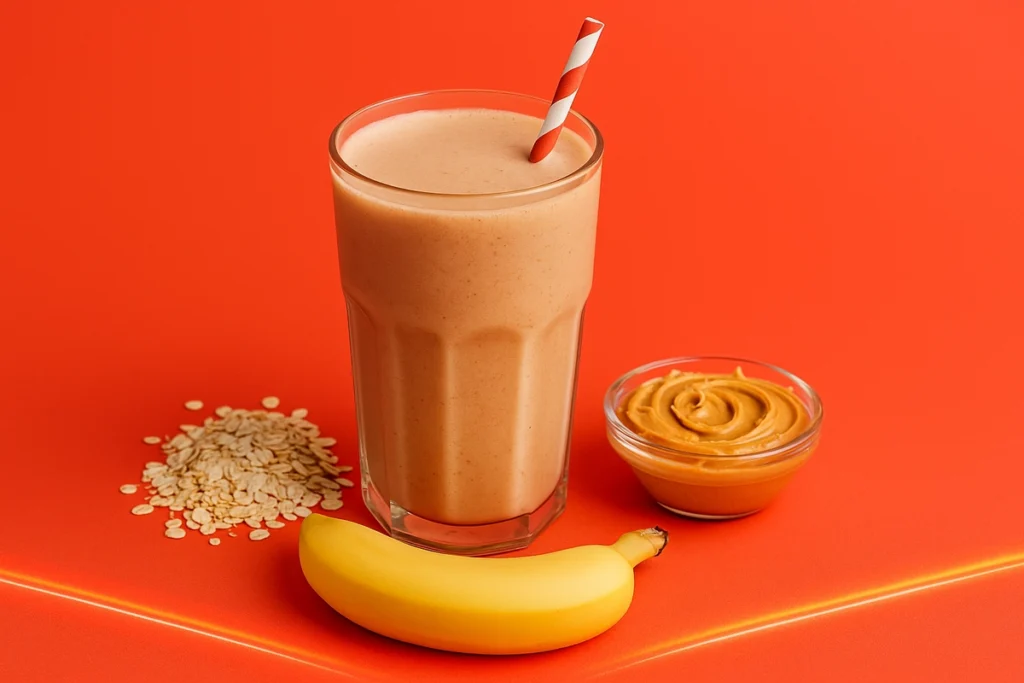
It’s packed with protein, carbohydrates, and sometimes healthy fats — delivering anywhere from 500 to over 1,200 calories per serving. This makes it a popular tool for hardgainers with fast metabolisms who struggle to gain weight.
Unlike standard whey protein, mass gainers prioritize calorie density. The best ones use complex carbs like oats instead of cheap sugars. If you’re new to bulking, check out my guide on the best mass gainer for beginners with fast metabolism to avoid low-quality options.
When I was 20, Serious Mass by Optimum Nutrition helped me push past my plateau. One shake after workouts made hitting my calorie goals actually achievable when eating felt like a chore.
What Is Whey Protein?
Whey protein is a fast-digesting, high-quality protein derived from milk. It’s low in calories — typically 100–150 calories per serving — and packed with pure protein, containing minimal carbs and fats.
This makes it ideal for lean bulking: you get the muscle-building blocks without the excess calories.
Not all whey protein is created equal. The type you choose affects digestion, price, and how well it fits your goals. Here’s how the main varieties compare:
Type | Protein Purity | Carbs/Fats | Best For | Price |
|---|---|---|---|---|
Whey Concentrate | 70–80% | Some | Budget, everyday use | $ |
Whey Isolate | 90%+ | Minimal | Lactose-sensitive, cutting | $$ |
Hydrolyzed Whey | 90%+ | Minimal | Fastest digestion, post-workout | $$$ |
Blend | Varies | Varies | Balanced approach | $$ |
I’ve used whey consistently through both bulking and cutting phases. It’s incredibly flexible — I’d mix it into breakfast oats or post-workout smoothies to support recovery and growth.
Want the full breakdown? Check out my whey protein after workout guide to learn exactly why it’s so effective for muscle repair.
Who Should Use Mass Gainer? (The Hardgainer’s Solution)
If you’re a classic hardgainer — lean, tall, fast metabolism, and struggling to gain even a pound — a mass gainer could be your best friend.

One of my clients, Alex from Australia, was exactly that guy.
At 6’2″ and 150 pounds, no matter how much he ate, he couldn’t gain weight.

We added a mass gainer shake (homemade, with oats and banana) twice a day, and he finally started gaining a steady 0.5 kg per week without feeling sick or bloated.
If you want more guidance on finding the right supplement, check out the best mass gainer for skinny guys.
Also, if you’re worried about gaining fat while using mass gainers, don’t miss my full guide on using mass gainers without getting fat.
Who Should Stick to Whey Protein? (The Lean Bulker’s Choice)
If you’re aiming for lean bulking — adding muscle without stacking fat — whey protein is usually the better choice.

I’ve seen it over and over: when clients stick to whole foods plus whey, their bulks are cleaner, their energy is higher, and their digestion stays smooth.
For example, Diego, an engineer from Spain, once started taking mass gainers three times a day without changing his food intake.
Sure, he gained 10 kg fast — but half of it was fat.
After switching back to regular meals and whey shakes, he cleaned up his body composition and felt way better overall.
Need help choosing the right whey? Here’s a full guide on the best whey proteins for muscle gain and recovery.
Best Times to Take Each

Timing matters. When you take your supplement affects digestion, energy, and results. Here’s when to use each:
When to Take Mass Gainer
When | Recommendation | Why |
|---|---|---|
Morning | ✅ Yes | Ideal if you skip breakfast |
Post-workout | ✅ Yes | Great if you struggle to eat after training |
Between meals | ✅ Yes | Works as a convenient meal replacement |
Pre-workout | ❌ No | Too heavy — can cause sluggishness |
Before bed | ❌ No | Too many carbs — may store as fat |
When to Take Whey Protein
When | Recommendation | Why |
|---|---|---|
Morning | ✅ Yes | Easy addition to oats, coffee, or smoothies |
Pre-workout | ✅ Yes | 30–60 minutes before for amino fuel |
Post-workout | ✅ Yes | Fast digestion speeds recovery |
Between meals | ✅ Yes | Helps hit daily protein target |
Before bed | ⚠️ Okay | Works, but casein is better for overnight |
- Mass gainer = when you need calories most (morning, post-workout, meal replacement)
- Whey protein = anytime you need protein (pre, post, between meals, morning)
Let your goals and schedule guide you.
How to Choose the Right One for You

Here’s a simple checklist:
- Struggling to eat enough? → Try mass gainer.
- Can hit your calories through meals? → Stick with whey protein.
- Fast metabolism + skinny build? → Mass gainer can help.
- Focused on clean, lean gains? → Whey protein is your best bet.
Pro Tip: If you can eat enough real food, you honestly don’t need a mass gainer. Whole food always wins when it comes to micronutrients, digestion, and muscle quality.
Your Situation | Best Choice |
|---|---|
Fast metabolism, can’t gain weight | Mass Gainer |
Eating enough but need more protein | Whey Protein |
Want lean muscle, minimal fat | Whey Protein |
Busy schedule, skip meals often | Mass Gainer |
Training hard, need quick recovery | Whey Protein |
Skinny and broke? | Make your own mass gainer (whey + oats) |
Also, if you’re considering how whey compares to other proteins like casein, you might want to check this whey vs casein for muscle growth article.
For maximizing results, some even benefit from taking whey at night — you can learn more about that here.
Common Mistakes to Avoid
Even the right supplement can work against you if used incorrectly.

Here are five mistakes I see clients make repeatedly — and how to fix them.
Mistake | Why It Hurts | Better Approach |
|---|---|---|
Using mass gainer when already eating enough | Excess fat gain | Track calories first |
Relying only on whey for bulking | Not enough calories | Add healthy fats, carbs |
Not reading labels | Low-quality ingredients | Check sugar and carb sources |
Drinking too many shakes | Poor digestion, nutrient gaps | Max 1–2 shakes daily |
Ignoring whole foods | Missed micronutrients | Supplements = support, not base |
❓ Why This Matters: Supplements are tools, not shortcuts. A mass gainer filled with maltodextrin and sugar won’t serve you better than one with oats and quality protein.
And downing four whey shakes a day might hit your protein number — but it won’t give you the vitamins, minerals, and fiber your body actually needs.
✅ The fix is simple: Use supplements strategically, read labels like your results depend on it (they do), and build your diet around real food first.
Avoid these mistakes and your bulk stays leaner, your digestion stays smoother, and your money goes toward supplements that actually work.
Frequently Asked Questions About Mass Gainers and Whey Protein
Yes. Whey protein provides high-quality protein that supports muscle repair and growth without excess calories. It’s ideal for lean bulking when you want to gain muscle while minimizing fat.
It depends on your body type and goals. Mass gainer is better if you struggle to eat enough calories (hardgainer). Whey protein is better if you want lean muscle gains without excess fat.
Serious Mass is a specific mass gainer brand. One serving delivers 1,250+ calories with 50g protein and lots of carbs. Regular whey protein provides 100–150 calories with 20–25g protein per serving — pure protein with minimal extras.
Yes — if you track total calories. Mass gainers are tools to hit a surplus, not excuses to overeat. Stick to serving sizes, account for it in your daily intake, and prioritize whole foods first.
Yes, it can support overnight recovery. But casein protein digests slower and is often preferred before bed because it provides a steady amino acid release while you sleep.
Essentially, yes. Mass gainer starts with a protein base and adds carbohydrates (and sometimes fats) to boost calorie content. Quality matters — cheap versions add sugar; better versions use complex carbs like oats.
Yes. Many people use whey during the day for protein convenience and a mass gainer post-workout or as a meal replacement when calories are hard to hit.
Look for 500–1,000 calories per serving if you’re a hardgainer. Avoid anything over 1,500 unless you’re an advanced athlete — it’s likely filled with cheap sugars.
Whey alone won’t build muscle — but it makes hitting your daily protein target easier. Combine it with consistent training, a calorie surplus (if bulking), and whole foods for real results.
Mass gainer costs more per serving — often $2–$4 vs. $1–$2 for whey. But mass gainer replaces a meal; whey is just a supplement. Compare cost per calorie, not just per scoop.
Conclusion: Final Tips for Smart Bulking
Here’s the bottom line: mass gainers and whey protein both work — but only when used correctly.
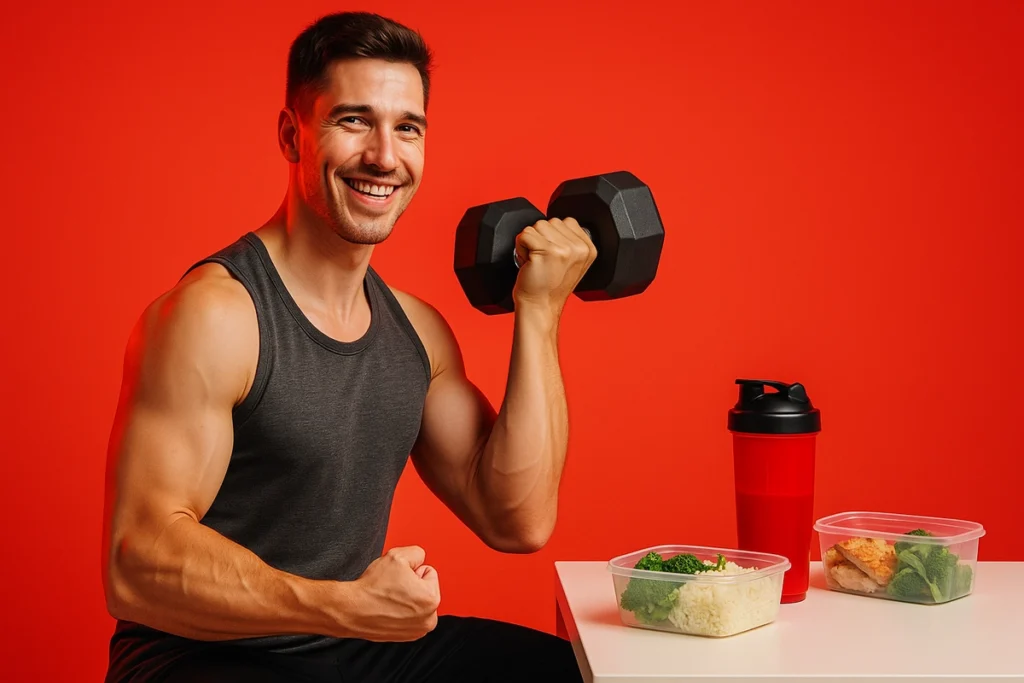
- Prioritize whole foods first. They provide micronutrients and fiber no powder can fully replace.
- Use whey protein to fill protein gaps. It’s convenient, fast, and keeps your bulk lean.
- Use mass gainers strategically. Only if you’re genuinely struggling to eat enough calories.
- Watch for red flags. Poor digestion? Rapid fat gain? Your supplement choice — or dosage — might be off.
- Supplements support your diet. They don’t replace it.
Whether you’re blending whey into your morning oats or downing a mass gainer post-workout, the goal stays the same: fuel hard, recover smart, and build muscle that lasts.
Stay patient. Stay consistent. Your best gains are coming.
Want more bulking strategies? Check out the latest guides on MuscleZeus.com
Leave a Reply