


If you’ve ever opened your BCAA powder and found it clumped, dull, or oddly bitter — you’re not alone. That’s what improper storage does.
Branched-Chain Amino Acids (BCAAs) are more delicate than they look. Even though they seem like “just powder,” they react easily to air, moisture, and heat.
I’m a certified fitness coach who’s worked with hundreds of athletes. And I’ve seen this mistake too often: people spend good money on quality BCAAs, then accidentally ruin them with simple storage errors.
Let’s fix that — starting now.
Quick Answers – At a Glance
Question | Answer |
|---|---|
Best storage spot | Cool, dark, dry cabinet or drawer |
Keep or remove silica gel? | Keep it inside |
Use a wet scoop? | Never |
Can I store in fridge? | Only if extremely humid (risky) |
How long does it last opened? | 6–12 months |
Table of contents
- Quick Answers – At a Glance
- How Long Does BCAA Powder Last?
- Do’s & Don’ts of BCAA Storage
- Signs of Spoilage – When to Throw It Away
- Why Proper Storage Matters
- How to store BCAA powder correctly (step-by-step)
- How Environment Affects Your BCAA
- Bonus Tips for Travelers and Athletes
- Do BCAAs Really Help With Muscle Recovery?
- FAQs
- Final Thoughts
How Long Does BCAA Powder Last?
Condition | Shelf Life |
|---|---|
Unopened, cool & dark | 2–3 years |
Opened, stored properly | 6–12 months |
Opened, exposed to heat/humidity | 1–3 months |
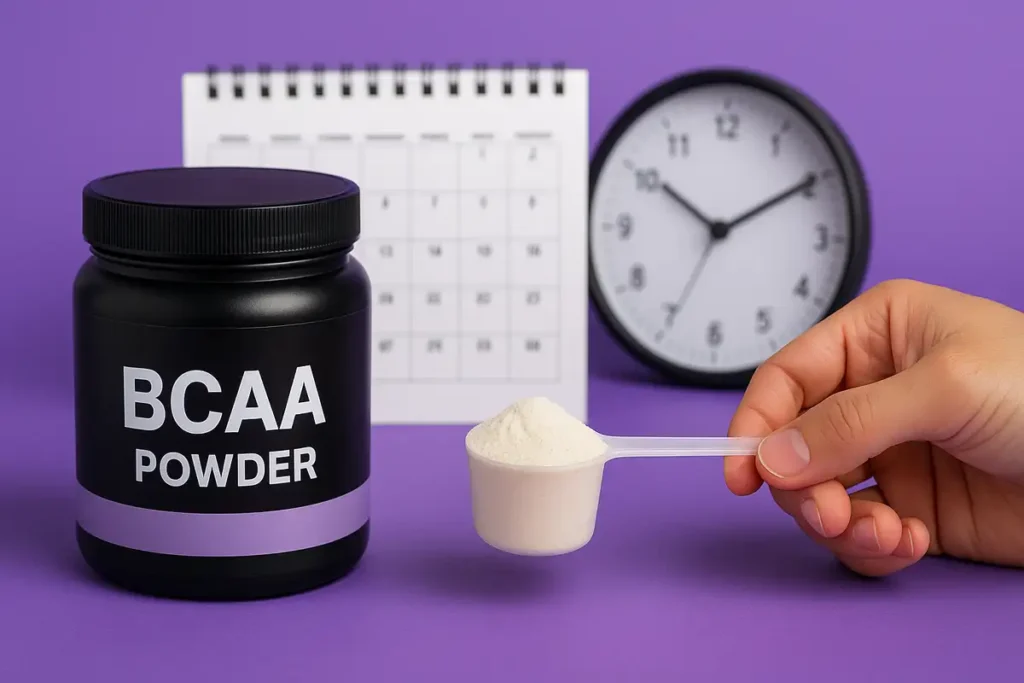
Mark the date you open the tub. Finish within 6 months. When in doubt, replace it.
Do’s & Don’ts of BCAA Storage
✅ Do This:
- Seal lid tightly after every scoop
- Use a completely dry scoop
- Store in bedroom drawer or cupboard
- Keep silica gel packet inside
- Finish within 6–12 months
❌ Avoid This Common Storage Mistakes:
- Leaving lid loose or half-open
- Wet or sweaty hands near powder
- Bathroom, kitchen, or near stove
- Throwing away the moisture absorber
- Ignoring expiration dates
Signs of Spoilage – When to Throw It Away
Your BCAA powder has gone bad if you notice:
- Smell – Sour, bitter, or chemically “off” odor
- Texture – Hard clumps that don’t break apart easily
- Color – Darker, yellowish, or uneven discoloration
- Taste – Unusually bitter or chalky (compared to normal)
- Mixing – Doesn’t dissolve or foam like it used to
Real example: A client stored his BCAA on a sunny balcony. Within weeks, it stopped mixing properly — sunlight had degraded it.
What’s Next? Keep reading for the step-by-step storage guide, travel tips, and answers to common questions like “Can I refrigerate BCAAs?” and “Why does my powder keep clumping?”

Tell us your goal & discover your perfect stack — backed by science, no BS.
Free. Takes 2 Min | No sign-up needed
Table of contents
- Quick Answers – At a Glance
- How Long Does BCAA Powder Last?
- Do’s & Don’ts of BCAA Storage
- Signs of Spoilage – When to Throw It Away
- Why Proper Storage Matters
- How to store BCAA powder correctly (step-by-step)
- How Environment Affects Your BCAA
- Bonus Tips for Travelers and Athletes
- Do BCAAs Really Help With Muscle Recovery?
- FAQs
- Final Thoughts
Why Proper Storage Matters
BCAA supplements contain three essential amino acids — leucine, isoleucine, and valine — that play a key role in supporting muscle repair, energy, and endurance.

According to a PubMed study on branched-chain amino acids, these amino acids stimulate muscle protein synthesis and help speed up recovery after training. That’s why protecting their integrity through proper storage is crucial if you want to maintain their potency.
When exposed to air, heat, or humidity, their chemical structure becomes unstable. A 2024 study in Nature Scientific Reports confirmed that amino acids degrade significantly when subjected to high temperatures, reducing their nutritional stability.
For those who prefer flavored versions, note that fruit or sweetened blends tend to degrade faster. You can learn more in the Best BCAA Flavor Guide.
Where Should You Store BCAA Powder? (Hint: Not the Bathroom)
Not all storage spots are equal. In fact, some common places — like the kitchen or car — can ruin your BCAA powder in days, not months.
Below is a quick reference table. Use it to check if your current storage spot is safe or slowly destroying your supplement.
Storage Location | Safe? | Why |
|---|---|---|
Bedroom drawer | ✅ Yes | Cool, dry, dark — ideal conditions |
Kitchen cabinet | ⚠️ No | Heat & humidity from cooking |
Bathroom | ❌ No | Steam and moisture every shower |
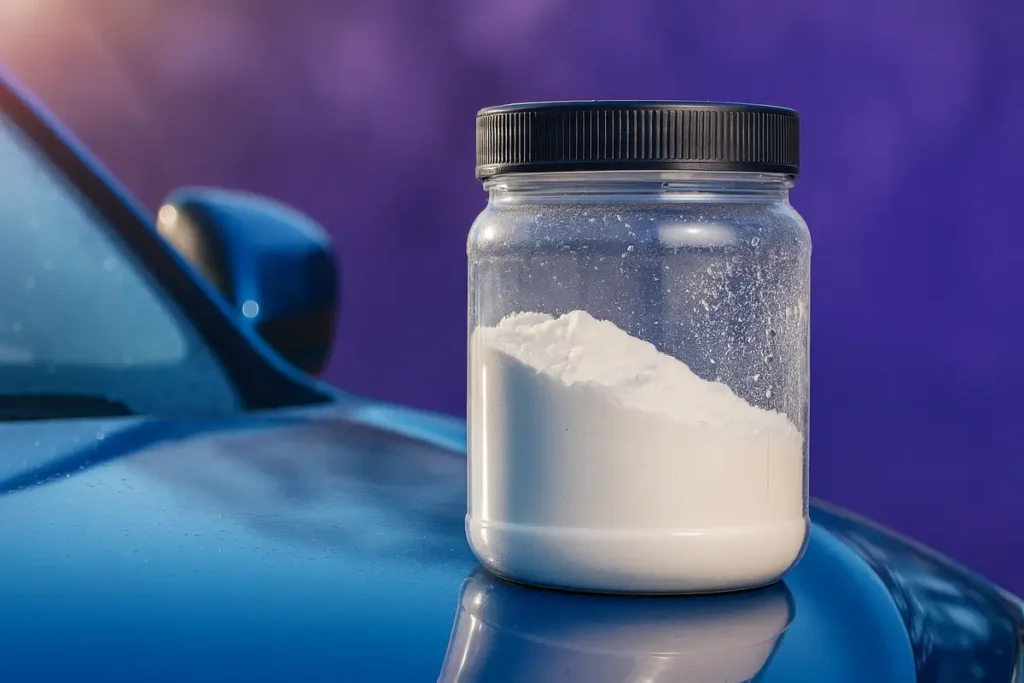
Car (summer) | ❌ No | Extreme heat accelerates breakdown |
Fridge | ⚠️ Only if extremely humid | Condensation risk causes clumping |
Gym locker | ❌ No | Poor air circulation + temperature swings |
- Myth: Refrigerating BCAA powder keeps it fresher.
- Fact: Fridge humidity causes condensation, leading to clumping. A dark cupboard is better.
The One Spot That Surprised Me
I once kept a BCAA tub in my bathroom cabinet — seemed convenient post-workout. Within three weeks, the powder was sticky and clumped. The daily steam from hot showers was the culprit.
✅ A simple bedroom drawer or pantry shelf (away from the stove) beats every “convenient” spot. When in doubt, choose boring and dry.
How to store BCAA powder correctly (step-by-step)

- Keep It Sealed
After each scoop, close the lid immediately. Even a few minutes of air exposure can pull in moisture, especially in humid climates. - Avoid Heat and Sunlight
Store BCAAs far from stoves, windows, or heaters. Heat accelerates chemical breakdown and flavor oxidation. I once visited a client, Jessica, who kept her supplements in a cabinet above the kitchen stove. Almost all her powders — including BCAAs — had turned sticky within a month. - Avoid Humidity
Bathrooms and kitchens are the worst places for storage. Humidity not only causes clumping but can also encourage microbial growth. Always pick a dry, cool room — even a bedroom drawer can be better than a humid kitchen. For even more insights, read Liquid vs Powder BCAAs: Which Lasts Longer?. - Use a Dry Scoop
Never use a wet or sweaty hand to grab the scoop. Even a single water droplet can start a clumping chain reaction inside the tub. - Keep the Silica Gel Pack Inside
That tiny packet isn’t trash. It absorbs moisture and keeps your powder fresh. If you lose it, you can replace it with food-safe desiccant packs found online. - Don’t Overfill Other Containers
If you transfer your BCAA into another container, leave some space for air circulation and ensure it’s airtight and food-grade. I prefer not to transfer mine unless the original container breaks — it’s designed for long-term freshness.
How Environment Affects Your BCAA
If you live in a tropical or humid climate, BCAA powders are much more likely to clump. In these cases, I recommend:
- Adding extra silica gel packs
- Using smaller, portioned containers to reduce air exposure
- Avoiding refrigeration unless absolutely needed
However, refrigeration isn’t always the solution. I tried keeping one tub in the fridge during a humid month.
Each time I opened it, condensation formed, leading to slight clumping. Unless your home is extremely humid, refrigeration often does more harm than good.
If you use collagen or stack BCAAs with other supplements, check out BCAA + Collagen Benefits for Recovery to optimize your mix.
Bonus Tips for Travelers and Athletes
For athletes constantly on the go, preparation is key. When I travel or coach abroad, I portion my BCAA powder into daily airtight bags or small jars, only for one or two days at a time.
For my client Jessica in Spain, who trains outdoors under the sun, I recommended using a shaker with a dry pre-measured scoop of powder, adding water only before the workout.
This keeps the powder stable even during travel. If you take BCAAs between workout sets, learn how to optimize timing in the BCAA Recovery Between Sets Guide.
If you’re over 40 and looking to optimize recovery, BCAAs for Beginners Over 40 covers the ideal dosage and timing for your goals.
Do BCAAs Really Help With Muscle Recovery?
BCAAs are among the most widely used and effective supplements for supporting muscle recovery and reducing post-exercise soreness.
In fact, a meta-analysis on the National Center for Biotechnology Information (NCBI) concluded that BCAA supplementation can significantly reduce muscle damage markers such as creatine kinase, while lowering perceived muscle soreness after resistance exercise.
For lifters and endurance athletes alike, that means faster recovery and less fatigue, allowing you to train more consistently without feeling worn down.
FAQs
Only if your environment is extremely humid. Fridge moisture can cause condensation, making the powder clump. A cool, dry cabinet is safer.

Take this 2-minute assessment & get a science-backed training, nutrition & supplement roadmap built for YOUR body.
🔬 12,000+ personalized roadmaps generated
Yes, but not for too long. Keep it in the fridge for no more than 12 hours. I usually mix mine fresh before training — it tastes better and keeps amino acids active.
Moisture or heat exposure causes amino acids to stick together. Always use a dry scoop and store in an airtight container.
Look for changes in smell, texture, or color. If it smells sour, tastes off, or looks different, it’s time to replace it.
You can, but only if it’s a high-quality, airtight, food-grade container. Keep it away from light and heat. Personally, I stick with the original packaging — it’s designed to protect the powder better than most jars.
Final Thoughts
BCAAs are among the most popular supplements in the fitness world — and for good reason. They support muscle preservation and faster recovery, as proven by scientific evidence.
But to get those benefits, you need to store them properly.
Proper storage isn’t complicated: keep it cool, dry, and sealed. It makes a huge difference in how your supplement performs.
I’ve learned this not just from science, but from years of personal use and coaching experience.
Think of it this way — you train hard, eat right, and supplement smart. Don’t let poor storage habits quietly undo your progress.
Protect your supplements with the same discipline you bring to your workouts. Because when your BCAA powder stays fresh, your muscles recover faster, your energy lasts longer, and your investment truly pays off.
📌 Save this guide for later — or share it with a gym friend who stores BCAAs in their car.

Leave a Reply