

Are you a vegan or vegetarian pushing hard in the gym but feeling gassed out too soon?
You’re not alone—and there’s a science-backed reason why. Most plant-based diets lack beta-alanine, a key amino acid that boosts workout endurance, delays muscle fatigue, and helps you power through intense sets.
The good news? You don’t need meat to get the benefits. You just need to supplement smart.
Let’s break down exactly how beta-alanine can level up your plant-based performance—and how to use it right.
Table of contents
What Is Beta-Alanine and What Does It Do?
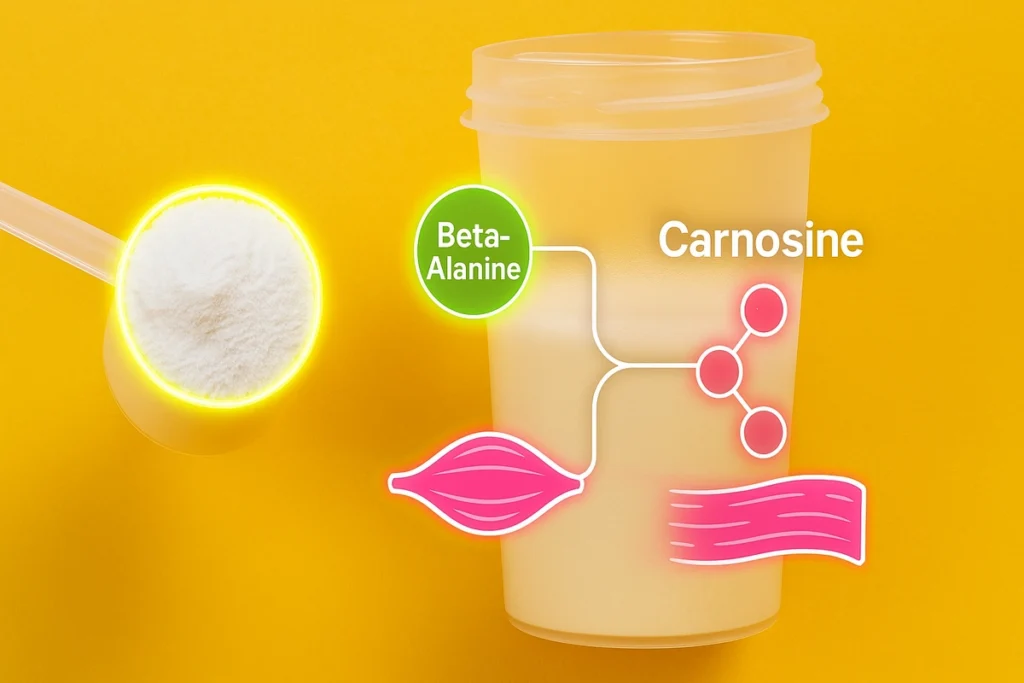
Beta-alanine is a non-essential amino acid. But don’t let the “non-essential” label fool you—it plays a key role in performance, especially when workouts get intense.
It helps your body make carnosine, a compound stored in muscles that buffers acid buildup during high-intensity training. The more carnosine you have, the longer you can push through fatigue.
In plain language?
You get more reps, more endurance, and better performance when beta-alanine is in your system.
For a deep dive on how this carnosine synergy works, check out this guide on beta-alanine and carnosine.
⚡ All tingling, zero extra reps?
Timing your beta-alanine wrong gives you the itch without the endurance boost.
Turn Tingles Into Gains FreeCan Vegans and Vegetarians Benefit from Beta-Alanine?
Without a doubt. And here’s why:
Carnosine is found almost exclusively in animal-based foods. That means if you’re vegan or vegetarian, your natural beta-alanine intake is much lower than someone eating meat regularly.
When I went fully plant-based for six weeks, I could feel my endurance drop slightly. Adding beta-alanine brought back that “second wind” I needed during tough dumbbell circuits.
One of my vegan clients, Sophia from Germany, added beta-alanine to her stack and messaged me after leg day:
“I finally hit 15 Bulgarian split squats without collapsing. Beta-alanine is a game changer.”
You can also read how beta-alanine helps reduce muscle fatigue—which is especially important for plant-based lifters.
Best Vegan-Safe Beta-Alanine Supplements
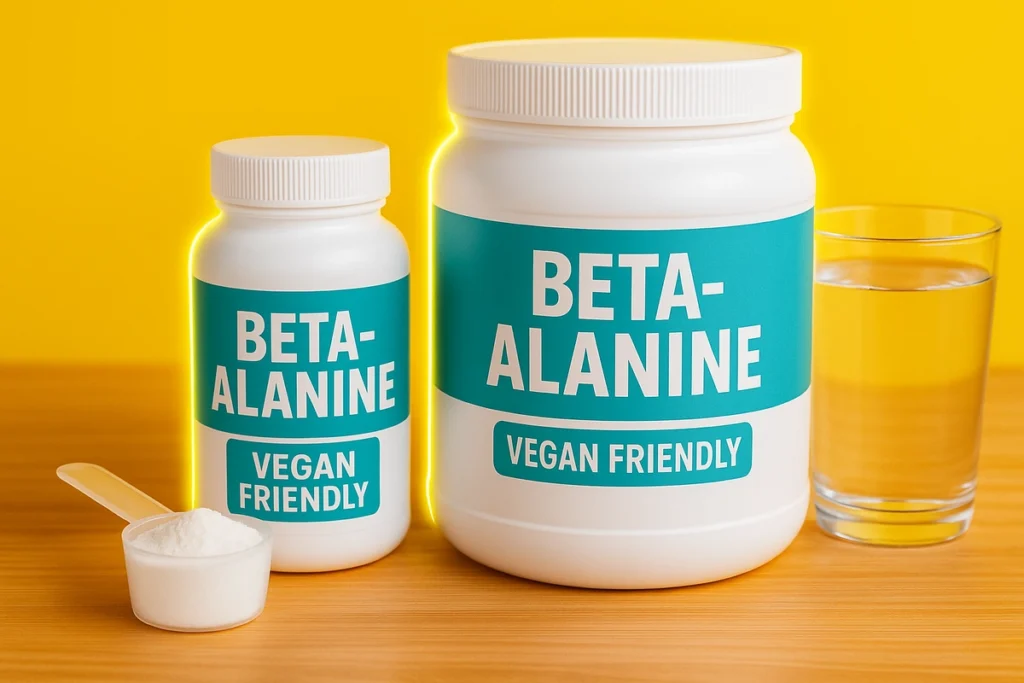
The good news? Most beta-alanine on the market today is lab-made and 100% vegan-friendly.
Here’s what I recommend looking for:
- Pure beta-alanine powder (no blends with gelatin caps or hidden animal derivatives)
- Brands with transparent labels and no unnecessary fillers
My go-to is Transparent Labs Beta-Alanine or BulkSupplements. Both mix well and don’t mess with your stomach.
I also had a vegetarian CrossFitter, Leandro from Brazil, try it after burning out mid-WODs. After three weeks, he told me:
“Coach, I finally finished my EMOM without gassing out.”
If you’re training CrossFit or HIIT style, this article on beta-alanine for HIIT and CrossFit explains why it’s such a good match.
You just read everything about beta-alanine. Now let’s make it work for YOUR body.
I’ll design your personalized supplement protocol — exact timing, dosage, and stacking for your specific goal. No templates. No bots. A real coach who reads your answers.
Pay what you want after you receive it. No risk. No pressure.
How to Take Beta-Alanine for Best Results
Here’s the sweet spot I’ve found for plant-based athletes:
- Daily dose: 3.2 to 4 grams
- Beginner dose: Start at 1.6–2 grams if you’re sensitive
- Split it up (morning + pre-workout) to reduce tingling
- Be consistent—it needs to build up over time
If you’re new, I recommend this beta-alanine dosage guide for beginners.
That tingling you might feel (called paresthesia) is totally normal. I get it too, especially on an empty stomach. I usually split the dose, and it becomes barely noticeable.
Marcus, one of my clients from Sweden, was freaked out at first. Once I explained it’s harmless and even shows the beta-alanine is kicking in, he just smiled and said:
“Alright then, I’ll embrace the tingle.”
Still unsure about how to take it consistently? This daily use guide and this one on using beta-alanine on rest days will clear it all up.
Natural Plant-Based Alternatives (and Their Limits)
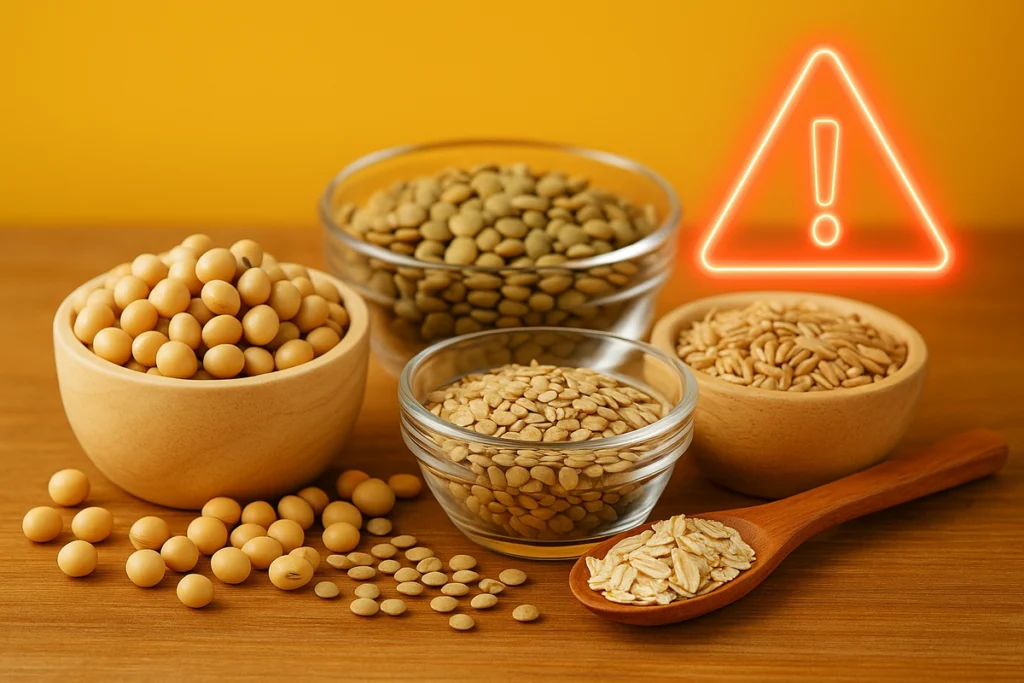
Let’s be honest: You won’t get much beta-alanine from plants.
Some sources mention trace amounts in soy or whole grains, but they’re not nearly enough to elevate carnosine to performance-enhancing levels.
If your goals involve lifting heavy, HIIT sessions, or endurance training—you’ll need to supplement to really notice the benefits.
And if you’re wondering how long it takes to feel results, check out the beta-alanine 30-day progress guide.
Final Verdict – Should Vegans Supplement with Beta-Alanine?
In my experience as a coach and athlete?
Yes—if you want better muscular endurance, delayed fatigue, and an edge in performance.
Especially if you train more than 3–4 times per week or do high-rep sets, beta-alanine can make a real difference.
One of my clients, Akash from India, combined beta-alanine with creatine, vegan BCAAs, and caffeine. After six weeks on a cut, his circuit times improved by 20% and his muscle mass stayed intact.
If you’re stacking supplements, I also recommend this article on the beta-alanine and taurine stack, and this breakdown of beta-alanine vs. pre-workout.
So if you’re vegan, plant-based, or just want to improve endurance—don’t overthink it. Start with 2 grams a day, stay consistent, and track your workouts.
Like I tell my clients:
“You don’t need meat to train like a beast—you just need the right tools.”
And if you’re a runner or endurance athlete, this beta-alanine guide for runners is a must-read.
Ready to give beta-alanine a try? Start small, build consistency, and watch your stamina climb.
Leave a Reply