


Trying to burn fat without losing muscle? Wondering if whey protein can help speed things up? You’re not alone – as a coach, I hear this question almost daily.
Here’s the truth: whey protein isn’t a fat burner. But when used correctly, it becomes one of your most powerful tools for sustainable fat loss and muscle retention.
🔑 Key Takeaways: Whey Protein for Fat Loss (30‑Second Read)
- Whey does not burn fat directly – but it boosts metabolism slightly through the thermic effect of food.
- Preserves muscle during a calorie deficit – critical for a lean, toned look.
- Reduces cravings – replacing high‑calorie snacks with a whey shake works (real client examples inside).
- Best time for fat loss – post‑workout or as an afternoon snack.
In this article, I’ll walk you through the science, share real results from my own cutting phases, and reveal client strategies that actually work.
By the end, you’ll know exactly if – and how – whey fits into your fat loss plan.
Table of contents
- Quick Answer: Does Whey Protein Burn Fat?
- Thermic Effect: How Whey Increases Calorie Burn
- Muscle Retention: Key to Losing Fat, Not Muscle
- Appetite Control: How Whey Reduces Cravings
- Best Time to Take Whey Protein for Fat Loss
- Whey vs. Fat Burners: Which Really Works?
- Common Questions About Whey and Fat Loss
- Final Verdict: Is Whey Protein Right for Fat Loss?
Quick Answer: Does Whey Protein Burn Fat?
No – whey protein does not burn fat directly. But it can powerfully support fat loss when used correctly.
Here’s why:
- Preserves lean muscle during a calorie deficit
- Increases satiety (fewer cravings, easier to stick to your diet)
- Slightly boosts metabolism via the thermic effect of food
As a fitness coach who’s been through multiple cutting phases, I’ve used whey daily to maintain muscle, stay full, and recover faster. During my 2023 summer cut, I dropped from 14% to 9% body fat in 10 weeks – whey (especially post‑workout) was a non‑negotiable part of my plan.
📌 Whey isn’t a magic fat burner. But combined with a calorie deficit and proper training, it becomes a fat loss ally.
Want to optimize your daily protein intake for muscle growth? Read this guide.
⚡ More protein ≠ more muscle
The right dose at the right time matters more than the total amount.
Optimize My Protein Intake FreeThermic Effect: How Whey Increases Calorie Burn
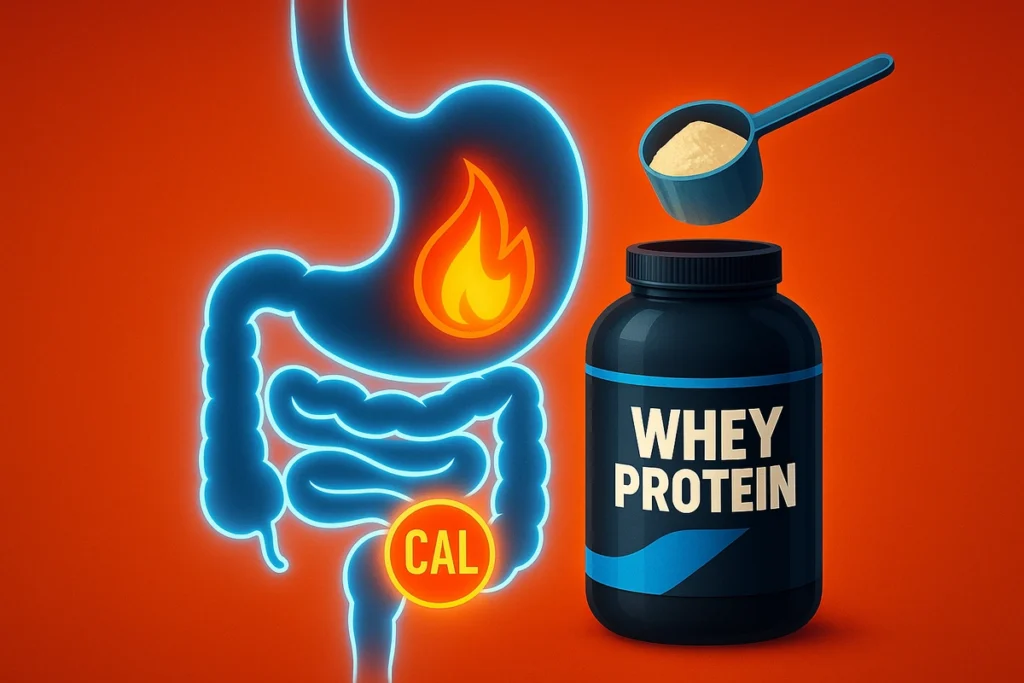
Whey protein has a high thermic effect. That means your body burns more calories digesting and processing it compared to carbs or fats.
Think of it as a small metabolic boost – your body works harder to break down protein.
When I replaced some carb‑heavy meals with whey isolate during my last cut, I noticed two things: I felt fuller, and I burned slightly more calories throughout the day. Not a massive difference – but every calorie counts when you’re leaning out.
How many extra calories does whey actually burn?
- Protein thermic effect: 20–30% of calories consumed
- Carbs: 5–10%
- Fats: 0–3%
Example: A 120‑calorie whey shake burns roughly 24–36 calories during digestion.
Over a full day, three servings could add up to 70–100 extra calories burned – without any extra movement. That’s not a magic bullet, but it’s free calorie burn while you eat.
During a cut, even small advantages add up.
Whey concentrate vs. isolate for fat loss?
If you’re watching calories and carbs, whey isolate is usually the better choice – lower in fat and lactose, and slightly higher in protein per scoop. See my full comparison of whey concentrate vs. isolate.
Muscle Retention: Key to Losing Fat, Not Muscle
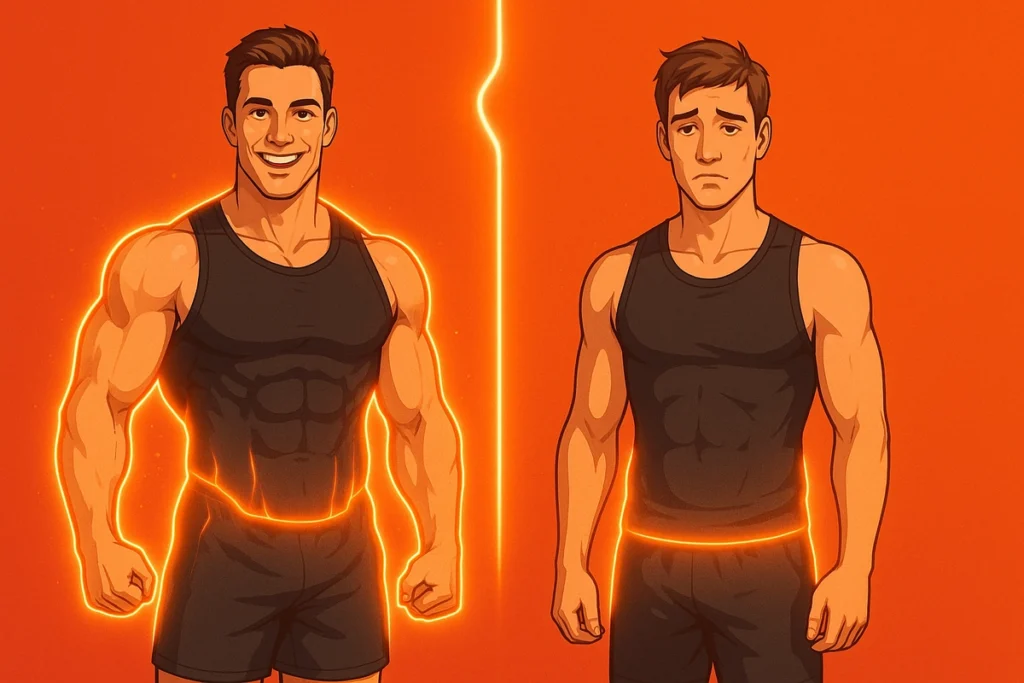
One of the biggest mistakes people make during fat loss is losing muscle along with fat. That’s what leads to the “skinny fat” look – and it’s completely avoidable.
Whey protein is your best defense here. It’s fast‑digesting, packed with leucine and other amino acids, and specifically helps you retain the lean mass you’ve worked hard to build.
During my own cutting phases, whey helped me hold onto muscle even in steep calorie deficits. I also recommend it to clients who want to shed fat without shrinking their size or strength.
Client example – Rami from Dubai:
Rami was struggling with persistent soreness and noticeable muscle loss during his cut. After adding one whey shake immediately post‑workout, his recovery improved significantly, and his strength levels bounced back within two weeks.
Want a deeper dive into the differences between EAAs, BCAAs, and protein? Check out this complete guide.
You just read everything about protein. Now let’s make it work for YOUR body.
I’ll design your personalized supplement protocol — exact timing, dosage, and stacking for your specific goal. No templates. No bots. A real coach who reads your answers.
Pay what you want after you receive it. No risk. No pressure.
Appetite Control: How Whey Reduces Cravings
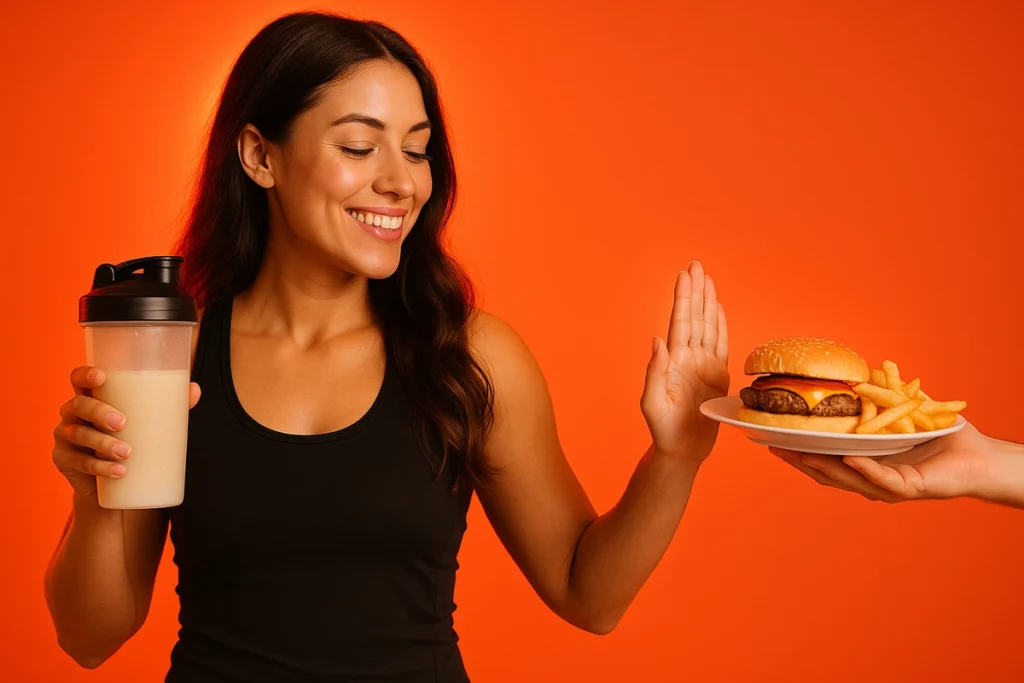
Fat loss can get rough when hunger strikes. That’s exactly where whey protein shines.
Why it works: Protein, especially whey, increases satiety hormones (like PYY and GLP-1) and reduces ghrelin – the “hunger hormone.” The result? Fewer cravings, less snacking, and an easier calorie deficit.
My personal go-to craving killer
I mix chocolate-flavored whey isolate with water, a pinch of cinnamon, and a few ice cubes. It tastes like a dessert shake but doesn’t touch my macros.
Whey Fat Loss Protocol (Used with clients)
- Choose whey isolate – lower in carbs and fats
- Mix 1 scoop with 300ml cold water (skip milk – saves ~100 calories)
- Add cinnamon or unsweetened cocoa powder for flavor
- Drink post-workout or as a 4 PM snack
- Do not exceed 2 scoops/day if replacing meals. Aim for 1.6–2.2g protein per kg body weight daily
Real client result: Lucas from Germany used to snack on chocolate every evening. We switched him to a simple whey shake instead. Within two weeks, his cravings had almost disappeared.
Best Time to Take Whey Protein for Fat Loss
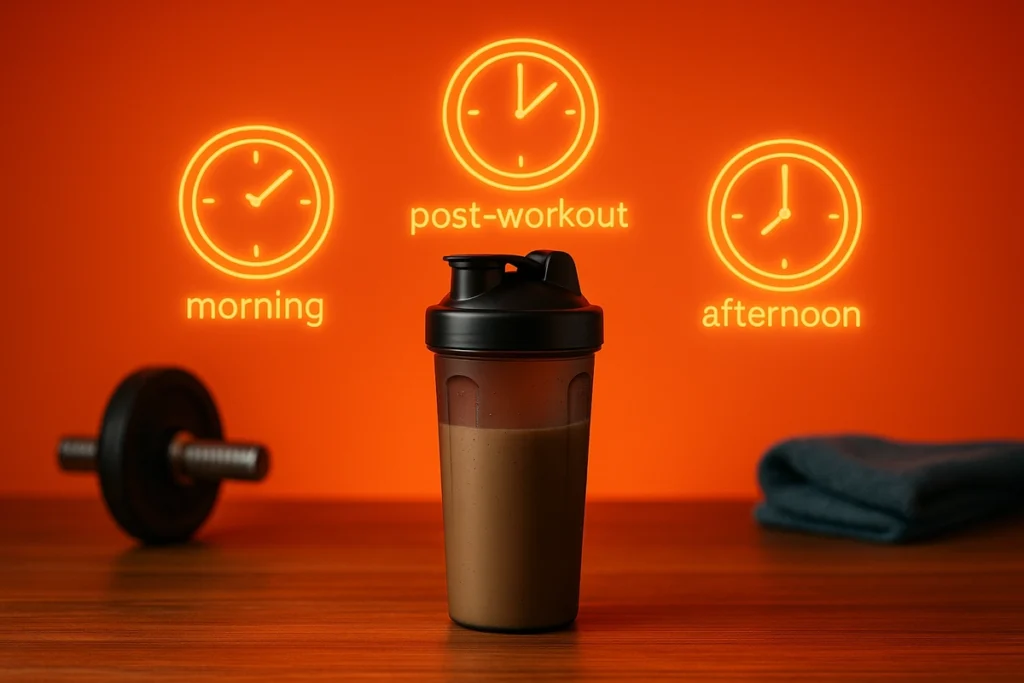
Timing isn’t everything, but when you’re cutting, smart timing can make fat loss easier.
Here’s when I recommend whey for the best results:
- 🕒 6:00 AM – Post‑workout (if training fasted)
Prevents muscle breakdown after a night without food. Kick‑starts recovery. - 🕒 3:00 PM – Afternoon snack
Kills cravings before dinner. Helps you avoid overeating later in the evening. - 🕒 9:00 PM – Before bed (ideal = casein, but whey works in a pinch)
Provides some amino acids overnight. Not as slow‑absorbing as casein, but better than nothing.
I usually take whey post‑workout to speed up recovery. On busy or low‑energy days, I also use it in the late afternoon – it powers me through cravings and keeps my diet on track.
Many of my early‑morning clients drink whey right after training as their first meal of the day. They report higher energy levels and less overeating at lunch.
🤔 Want to know if you should take whey before or after your workout? Check out Whey Protein Timing: Before vs. After Workout.
Whey vs. Fat Burners: Which Really Works?

Let’s be honest: most fat burners overpromise and underdeliver. Whey protein doesn’t claim to melt fat overnight – but it actually supports your fat loss with real nutritional value.
Here’s how whey stacks up against common fat‑loss supplements:
Supplement | Directly burns fat? | Helps muscle retention? | Appetite control? | Side effects |
|---|---|---|---|---|
Whey protein | No | ✅ Yes | Moderate | Rare (digestion) |
Green tea extract | Slight | ❌ No | Mild | Caffeine jitters |
L‑carnitine | Very little | ❌ No | No | Fishy odor |
Stimulant fat burners (e.g., clen) | Yes (unsafe) | ❌ No (catabolic) | Yes | Heart issues, jitters |
During one of my own cutting phases, I combined whey protein with green tea extract and L‑carnitine. It wasn’t an overnight transformation – but my recovery improved, my energy stayed stable, and the fat came off consistently.
Best part? No crash. No jitters. Just clean, steady progress.
💡 Looking for budget‑friendly whey that still delivers results? Check out my list of cheap high‑quality whey proteins in the U.S.
Common Questions About Whey and Fat Loss
No. Whey protein does not directly burn fat. It helps with fat loss indirectly by keeping you full, preserving muscle, and slightly increasing the calories you burn during digestion.
It helps in three main ways: it reduces hunger and cravings, it helps you keep muscle while losing fat, and it has a higher “thermic effect” – meaning your body burns more calories digesting protein than carbs or fats.
The most effective times are right after your workout (to help recovery and muscle retention) or as an afternoon snack (to stop cravings and prevent overeating at dinner).
You can replace a small snack, but replacing a full meal is not recommended for most people. Whole foods provide fiber, vitamins, and longer-lasting fullness. A whey shake works best as a snack or post-workout supplement.
Yes, for sustainable fat loss. Most fat burner pills overpromise and can cause jitters or crashes. Whey protein provides real nutrition, helps muscle retention, and has no dangerous side effects when used correctly.
Aim for 1.6–2.2 grams of protein per kilogram of body weight daily. From whey, 1–2 scoops (25–50 grams) per day is enough, depending on your total protein needs from food.
Final Verdict: Is Whey Protein Right for Fat Loss?
If you’re serious about getting lean and keeping muscle, whey protein is a must‑have tool.
No, it won’t magically melt fat. But here’s what it will do:
- Keep you full – so you eat less without suffering
- Support recovery – train harder, recover faster
- Help you hold onto muscle – critical during a calorie deficit
- Make your fat loss diet easier to stick with – fewer cravings, fewer slip‑ups
Real client result
My client Sofia from Greece was stuck in a plateau for weeks. We added one whey shake after her morning walk and trimmed down her carb intake slightly.
The result? She dropped 3.5 kg (about 7.7 lbs) in just one month.
Still unsure?
- If you’re a “skinny guy” worried about losing the muscle you’ve built – whey still helps. Read the full article here.
- Concerned about long‑term safety or kidney health? Get the honest facts:
Whey isn’t magic, but it’s one of the most reliable, science‑backed tools for fat loss that actually works.
Leave a Reply