
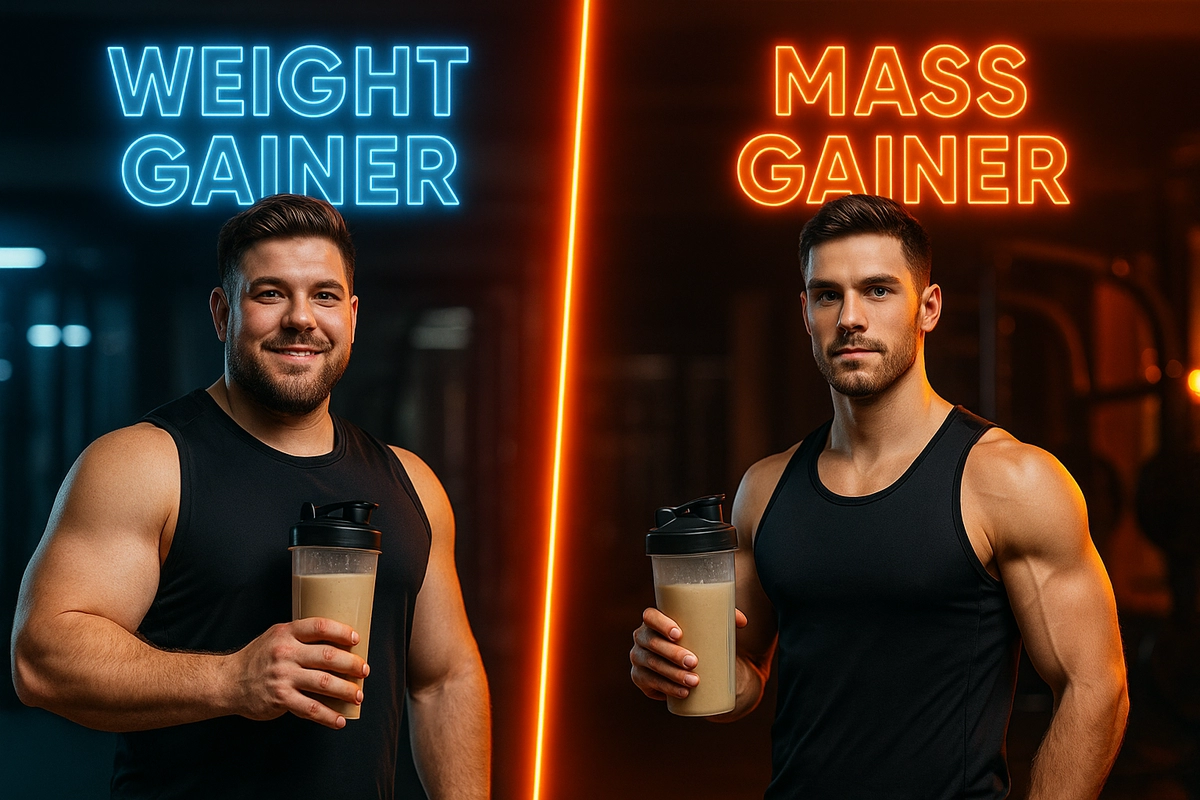

Struggling to choose between a mass gainer and a weight gainer? You’re not alone.
✨ What’s the Difference in 10 Seconds?
- Weight Gainer Meaning: A supplement designed to drastically increase daily caloric intake, often using high-glycemic carbs to spike insulin and drive rapid weight increase.
- What is Mass Gain? The process of increasing body weight while prioritizing the accretion of lean muscle tissue over body fat.
Many lifters stall their progress simply because they buy the wrong tub. If you’re serious about bulking up the right way, knowing this distinction makes or breaks your physique.
In this article, I’ll break down mass gainer vs weight gainer from real-world coaching experience—real client results, no bro-science—and show you exactly how to choose the best one for your body and goals.
Table of contents
- What Is a Mass Gainer? (And Who Should Use It)
- What Is a Weight Gainer? (Meaning and Best Uses)
- Will a Mass Gainer Make You Fat? (The Honest Truth)
- How to Use Mass Gainer for Lean Gains (Not Belly Fat)
- Mass Gainer vs Weight Gainer: Nutrition Facts Comparison
- When to Choose a Mass Gainer (Lean Bulk vs Dirty Bulk)
- When a Weight Gainer Is the Better Option (For Hardgainers)
- 3 Common Mass Gainer Mistakes Killing Your Progress
- FAQs: Mass Gainer vs Weight Gainer Differences
- Final Verdict: Choose Based on Your Goal, Not Just Calories
What Is a Mass Gainer? (And Who Should Use It)
Mass gainers are formulated for athletes and lifters who want quality size gains—not just any weight.
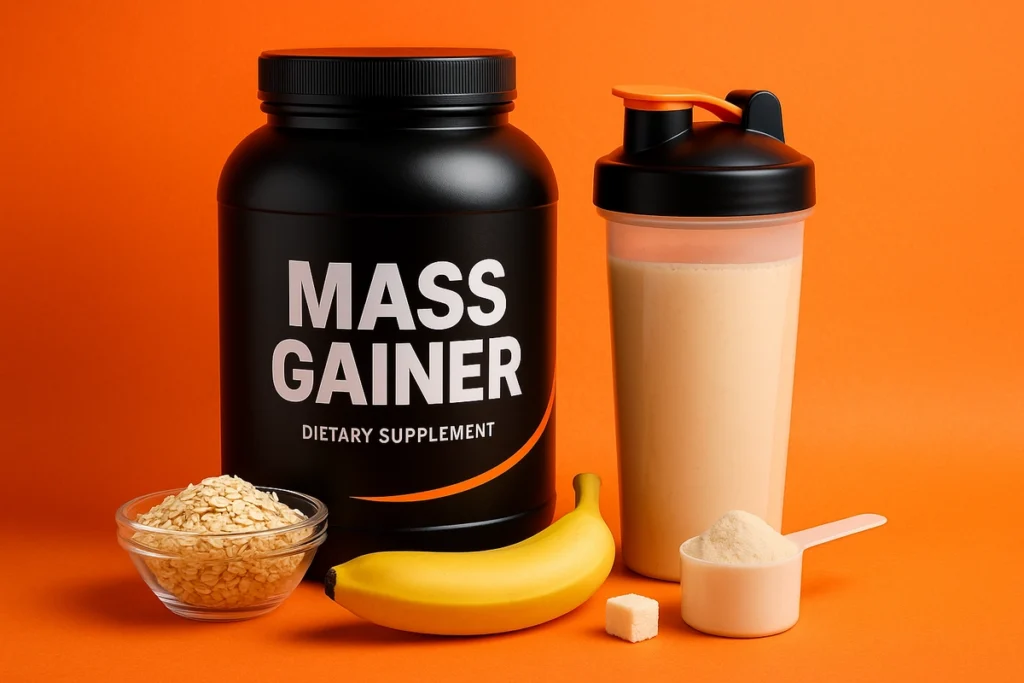
They typically contain:
- 30–50g protein per serving
- Moderate carbs (complex sources preferred)
- Minimal sugars and fats
I personally switched to mass gainers after using traditional weight gainers early in my bulking phase.
I wanted more muscle with less belly fat, and that’s exactly what a good mass gainer helped me achieve.
For example, one of my clients, Mateo, was training for a beach photoshoot.
We used a clean mass gainer combined with strength training, and within 8 weeks, he was up 3 kg—but all lean muscle.
If you’re an ectomorph, this guide on the best mass gainer for skinny guys is a must-read.
Also see mass gainer on rest days to make the most of off-training recovery.
What Is a Weight Gainer? (Meaning and Best Uses)
Weight gainers focus on maximum calories per scoop—often 1,000+—with a heavy carb load and a lower protein ratio.

They work well for hardgainers or guys who burn calories faster than they can eat.
But be cautious: the high sugar content can lead to fat gain and bloating.
I’ve been there. I used Serious Mass early on.
It helped me gain weight quickly—but not all of it was muscle.
I noticed more fat around my waistline and felt sluggish.
Some clients even complained of nausea or digestive issues due to lactose-heavy blends.
Read about mass gainer side effects to avoid common pitfalls.
Will a Mass Gainer Make You Fat? (The Honest Truth)
No, not if you use it correctly. The powder itself does not magically create belly fat. Fat gain happens when you consume more calories than your body burns—whether those calories come from a mass gainer, pizza, or chicken and rice.
✅ The Honest Truth: A clean mass gainer (with complex carbs like oats) is designed to fuel muscle growth, not fat storage. The problem arises when people treat it like a magic potion.
Here is exactly when a mass gainer will make you fat:
- You drink 2-3 servings daily. One serving is a supplement. Three servings is a meal replacement plan gone wrong.
- You skip the gym. If you are not breaking down muscle tissue, those extra carbs have nowhere to go except fat cells.
- You buy the wrong product. Cheap “weight gainers” loaded with sugar and maltodextrin spike insulin and encourage fat storage. Stick to a quality mass gainer with a 2:1 or 3:1 carb-to-protein ratio.
If you train hard and stick to one shake post-workout, a mass gainer helps you build size without the love handles.
How to Use Mass Gainer for Lean Gains (Not Belly Fat)
Using a mass gainer the right way is the difference between building a defined chest and just growing a soft midsection. Follow these three simple rules to keep your bulk lean.
- Timing Is Everything: Post-Workout Only
Drink your mass gainer within 60 minutes of finishing your weight training. This is when your muscles are starving for glycogen and protein. Calories consumed here go toward repairing muscle, not storing fat. - The “Half Serving” Hack
Most tubs suggest 2-4 scoops. That’s often overkill and leads to bloating and belly fat. Start with exactly half the recommended serving. Mix it with water instead of milk to save 100-200 unnecessary calories. You can always add a scoop next week if the scale doesn’t move. - Never Drink It Before Bed (Unless You Train Late)
A huge carb bomb before sleep spikes insulin and encourages fat storage while you rest. Unless you just finished a brutal leg day at 9 PM, have your shake in the morning or afternoon. If you must have calories before bed, switch to a slow-digesting protein like casein instead of a mass gainer. - Count It as a Meal
A mass gainer shake is not a “free extra.” It’s a meal replacement. If you drink a 600-calorie shake and then eat a 600-calorie dinner, you are in a dirty bulk surplus. Replace your smallest meal of the day (or a missed snack) with the shake, don’t add it on top of a full day of eating.
The Golden Rule: If your abs start to disappear, cut the serving size in half. Don’t stop training hard.
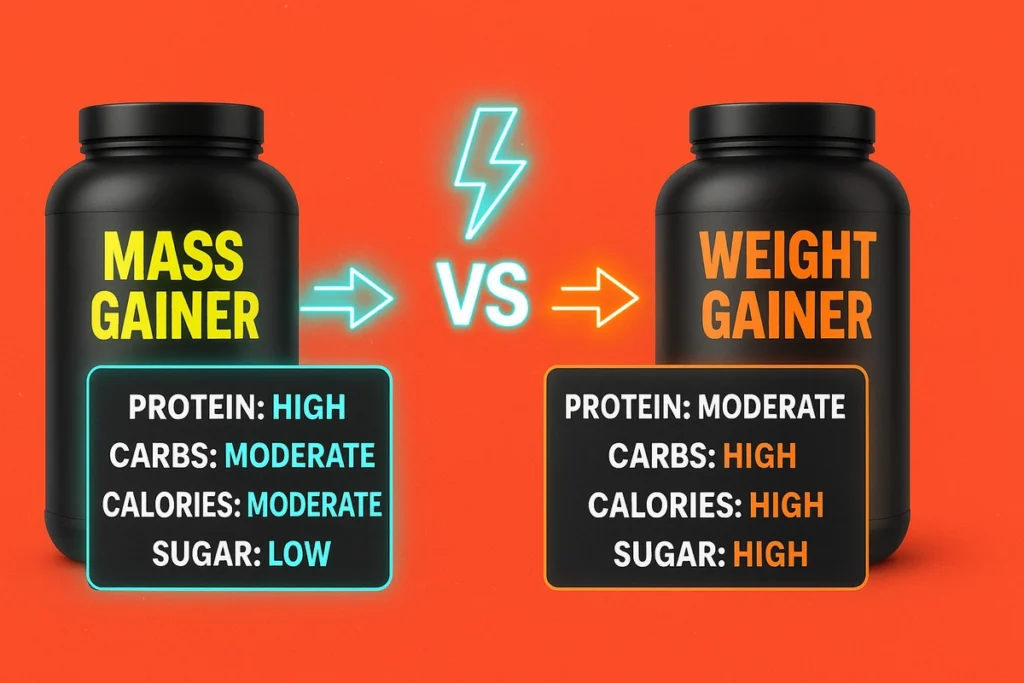
Mass Gainer vs Weight Gainer: Nutrition Facts Comparison
Mass Gainer: Pros and Cons Explained
✅ Pros:
- Builds lean, defined muscle with less fat spillover
- Higher protein content (30-50g per serving) supports recovery
- Lower sugar prevents energy crashes and bloating
- Ideal for body recomposition and athletes
❌ Cons:
- Slower scale weight increase
- More expensive per serving
- Not ideal for extreme hardgainers who need 1,000+ quick calories
Weight Gainer: Pros and Cons Explained
✅ Pros:
- Rapid weight gain for severely underweight individuals
- High calorie density (1,000+ per shake) overcomes low appetite
- Often cheaper per serving
- Works fast for ectomorphs and beginners
❌ Cons:
- High sugar content often leads to fat gain and bloating
- Lower protein quality and quantity (15-30g)
- May cause digestive distress or sluggishness
- Risk of “skinny-fat” physique if not training hard
When to Choose a Mass Gainer (Lean Bulk vs Dirty Bulk)
If your goal is muscle, not just the number on the scale—go with a mass gainer.



They’re best for:
- Experienced lifters
- Body recomposition plans
- Cutting fat while adding muscle
I recommend mass gainers to clients like Mateo who are already eating well but need a clean calorie bump post-workout.
It’s also ideal for people who want defined gains, not puffiness.
Personally, when I switched to Mutant Mass, I felt fuller, stronger, and noticed visible muscle growth in my chest and arms within a month—without the love handles I got from earlier weight gainers.
For deeper guidance, check mass gainer before or after workout and mass gainer with creatine.
When a Weight Gainer Is the Better Option (For Hardgainers)
If you’re struggling to eat enough, underweight, or have a crazy-fast metabolism, a weight gainer can help you break through.
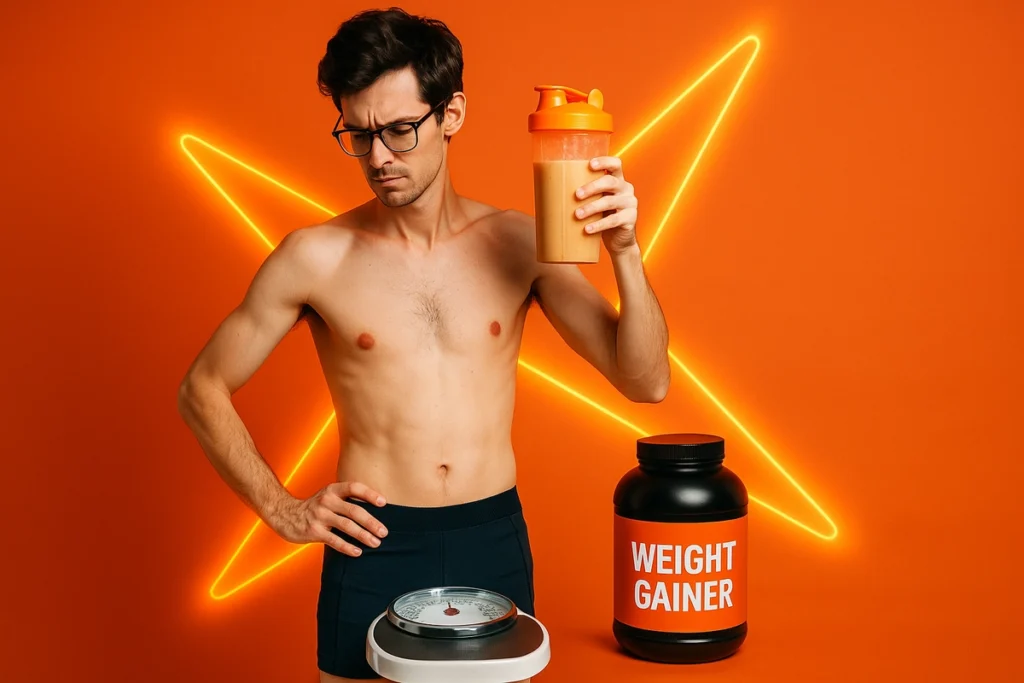
For example, Jacob, a 21-year-old beginner client, couldn’t eat over 2,000 kcal per day no matter what.
We added one serving of a weight gainer daily, and in 6 weeks, he gained 5 kg—enough to get him lifting heavier and finally seeing results.
Just remember, weight gainers should be a tool—not your whole diet.
If your metabolism is blazing fast, read this mass gainer for fast metabolism guide.
3 Common Mass Gainer Mistakes Killing Your Progress
Let’s clear this up: more is not always better.
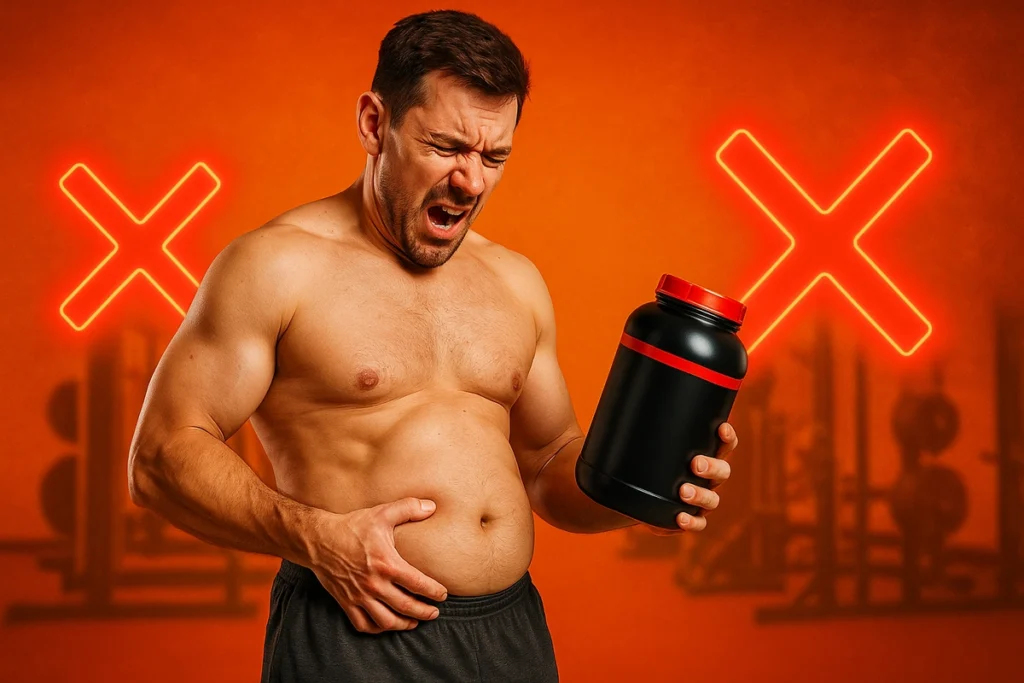
❌ Some of the most common mistakes I’ve seen:
- Drinking 2–3 servings daily without working out
- Skipping real food
- Choosing the cheapest product loaded with sugar
One client, Ahmed, was taking 3 shakes a day thinking it’d speed up gains.
He ended up frustrated with belly fat. Once we reduced it to 1 post-workout shake and focused on clean meals, his physique transformed.
For better options, explore mass gainers without fat gain and homemade mass gainer shakes that actually work.
FAQs: Mass Gainer vs Weight Gainer Differences
Mass gainers focus on lean muscle with balanced carbs and protein. Weight gainers focus on total calories, often using more sugar and simple carbs for fast weight gain.
A supplement with moderate calories and high protein. It uses complex carbs like oats to help you build muscle without adding excess body fat.
A high-calorie supplement designed to add body weight quickly. It works well for people who struggle to eat enough food but may cause some fat gain.
Increasing your body size by adding muscle tissue, not just body fat or water weight.
There is no real difference. “Muscle gainer” is just another name for a mass gainer with a high protein content.
Not if you use it correctly. If you drink too many servings without working out, the extra calories will turn into fat. One shake per day post-workout is usually safe.
Yes. It adds extra calories and protein to your diet, which supports weight and muscle gain.
Drink one serving after your workout. You can also use it as a meal replacement on busy days when you cannot eat a full meal.
Choose a weight gainer if you are very skinny and cannot eat enough food. Choose a mass gainer if you want to build muscle with less belly fat.
No. Mass gainers are cleaner with less sugar. Weight gainers are higher in calories and often contain more simple carbohydrates.
Only if you overeat. A clean mass gainer combined with exercise should not specifically increase belly fat.
Pros: Convenient calories, supports muscle growth, good for hardgainers.
Cons: Can be expensive, may cause bloating if lactose intolerant, and can lead to fat gain if overused.
Final Verdict: Choose Based on Your Goal, Not Just Calories

It all comes down to what you want.
- Go for weight gainer if you’re underweight or can’t hit your calorie needs.
- Choose mass gainer if you’re after lean, controlled, muscle-focused gains.
As a trainer and someone who’s been through both phases myself, I always advise this: Don’t rely solely on supplements. They’re meant to support, not replace, real food and solid training.
And if you ever need a homemade solution, here’s one I swear by:
1 scoop whey, 1 banana, 1 tbsp peanut butter, 1/2 cup oats, 200ml milk.
I gave this to Leonardo, a client who couldn’t afford expensive gainers—and he gained 4kg in 5 weeks with clean muscle.
Whatever path you choose—make it intentional.
Train hard. Eat smart. Supplement wisely.
Leave a Reply