


What you eat before your workout can make or break your results. The right pre-workout meal fuels your body for maximum energy, strength, and focus — while the wrong one can leave you feeling sluggish or dizzy halfway through your session.
As a professional fitness coach, I’ve seen hundreds of clients transform their workouts just by improving their pre-workout nutrition. It’s not about fancy supplements — it’s about smart timing, balanced macros, and knowing what your body really needs.
A well-structured pre-workout meal helps your supplements work better too. When your muscles are fueled with carbs and amino acids, you’ll notice more power from creatine, better endurance from beta-alanine, and cleaner focus from caffeine.
In this guide, I’ll show you exactly how to build the perfect pre-workout meal based on science and real-life coaching experience — with clear examples, timing tips, and practical meal ideas that actually work.
Table of contents
Why Your Pre-Workout Meal Matters
Your pre-workout meal isn’t just about avoiding hunger — it’s your body’s fuel plan for performance. Muscles rely on glycogen (stored carbohydrates) as their main energy source during intense training.

When you eat the right balance of nutrients before working out, you prime your body to lift heavier, push longer, and recover faster.
A balanced pre-workout meal also prevents muscle breakdown by keeping amino acid levels steady in the bloodstream. This is especially important if you’re training in a calorie deficit or working out fasted.
I’ve seen this first-hand with clients over the years. One of my clients, Alex from Canada, used to rely only on black coffee before workouts. He’d start strong but crash halfway through. Once we added a small pre-workout meal — two rice cakes with peanut butter and a scoop of whey — his energy stabilized, and his lifts improved within a week. The change wasn’t magic — it was simply better energy management.
That’s why the right pre-workout nutrition is essential for everyone, whether your goal is fat loss, muscle gain, or improved performance.
Ideal Pre-Workout Meal Composition
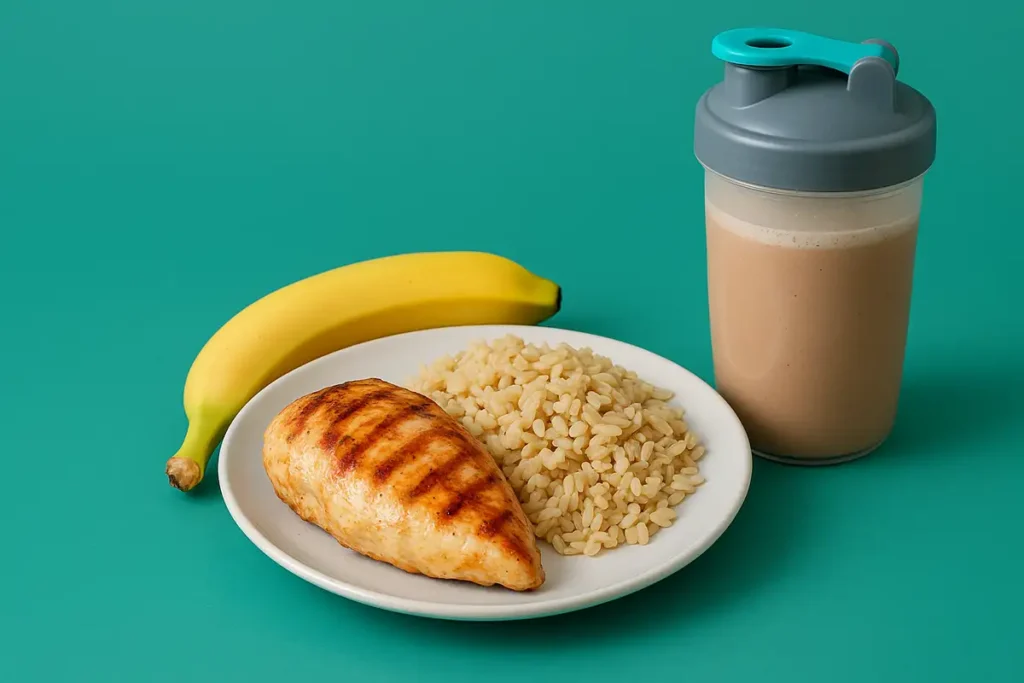
Think of your pre-workout meal as the foundation of your training performance. Here’s what it should include:
- Protein (20–30 g): Go for fast-digesting, lean sources like whey protein, egg whites, or chicken breast. Protein ensures a steady supply of amino acids, reducing muscle breakdown and enhancing recovery. For inspiration, check out these whey-boosted high-protein snacks.
- Carbohydrates (30–60 g): Choose low-to-moderate GI carbs such as oats, sweet potato, rice, or a banana. These provide long-lasting energy and help shuttle nutrients into the muscles. You can learn more in our full guide to the best carbs before pre-workout.
- Fats (Under 10 g): Keep fats low. They slow digestion and can make you feel sluggish. A teaspoon of olive oil or a small serving of nut butter adds flavor and balance but should stay minimal.
My personal pre-workout meal is simple and effective: 60 g oats with one scoop of whey protein and half a banana. It gives me sustained energy, prevents bloating, and keeps me sharp through long, heavy sessions. Whenever I’ve experimented with going low-carb before training, my strength and endurance—especially on compound lifts like squats—drop noticeably.
Also, consider adding electrolytes or a pinch of sea salt to your water before training. It improves hydration and muscle contraction efficiency, especially during high-intensity workouts.
Timing It Right

Timing is just as important as content. The ideal window for eating your pre-workout meal is 60–90 minutes before training — enough time for partial digestion so nutrients are available during your workout.
If you eat too close to your session, blood flow will still be focused on digestion rather than your muscles, leading to nausea or sluggishness. If you eat too early, energy may dip before your training begins.
Through years of testing with myself and clients, I’ve found that 60–75 minutes before training hits the sweet spot. For example, when I train legs or back — larger muscle groups — I eat a bit earlier (around 75 minutes). For smaller muscle sessions, 45–60 minutes works perfectly.
For early-morning workouts, digestion time is limited. Go with lighter, faster options — like a whey protein shake with half a banana or a rice cake with honey. You can even try quick, protein-rich recipes like whey protein pancakes. I personally use these when training at 7 a.m. — they digest quickly and give just enough energy without feeling heavy.
Real Examples of Pre-Workout Meals
Here’s how I tailor pre-workout meals for different goals and body types:
- For Fat Loss:
- 1 boiled egg + 3 egg whites + 1 banana
- A small green tea or black coffee for mild energy boost
- Optional: 3–5 g creatine for muscle protection during calorie deficit
- You can also explore more smart fat-burning nutrition ideas in my natural food supplement fat loss guide.
- For Muscle Gain:
- 100 g cooked rice + 100 g chicken breast + 1 tsp olive oil
- Add a small serving of vegetables for fiber and micronutrients
- Optional: 5 g creatine and 2 g beta-alanine pre-workout
- For Performance or Endurance Training:
- Oats + whey + half a banana + pinch of sea salt for sustained release energy
One client, Lina from Sweden, was stuck on her bench press for weeks. Her meals were too light, mostly fruit and protein shakes. Once we added a solid carb-protein combo — chicken, rice, and olive oil — she broke her plateau and set new personal records within three weeks.
Remember, your pre-workout meal doesn’t need to be fancy — it just needs to be consistent and well-balanced.
Common Mistakes to Avoid
I’ve seen thousands of athletes make the same pre-workout mistakes:
- Eating too heavy: Large meals (like steak and rice) within 30 minutes of training can slow you down and cause nausea.
- Skipping carbs: Carbs are your primary energy source. Skipping them often leads to fatigue and weak performance.
- Relying only on stimulants: Many people depend on high-caffeine pre-workouts without proper nutrition. It may spike your energy but quickly crashes mid-session.
- Overdoing fat or fiber: Too much peanut butter or fibrous vegetables can cause bloating or sluggishness.
My client Marco from Italy used to eat oatmeal with milk and felt bloated every time. We switched to water-based oats and adjusted timing — his focus and pump improved instantly.
The fix? Keep it simple, light, and digestible. Your meal should give energy, not compete with your muscles for blood flow.
Best Pre-Workout Supplement Stacks
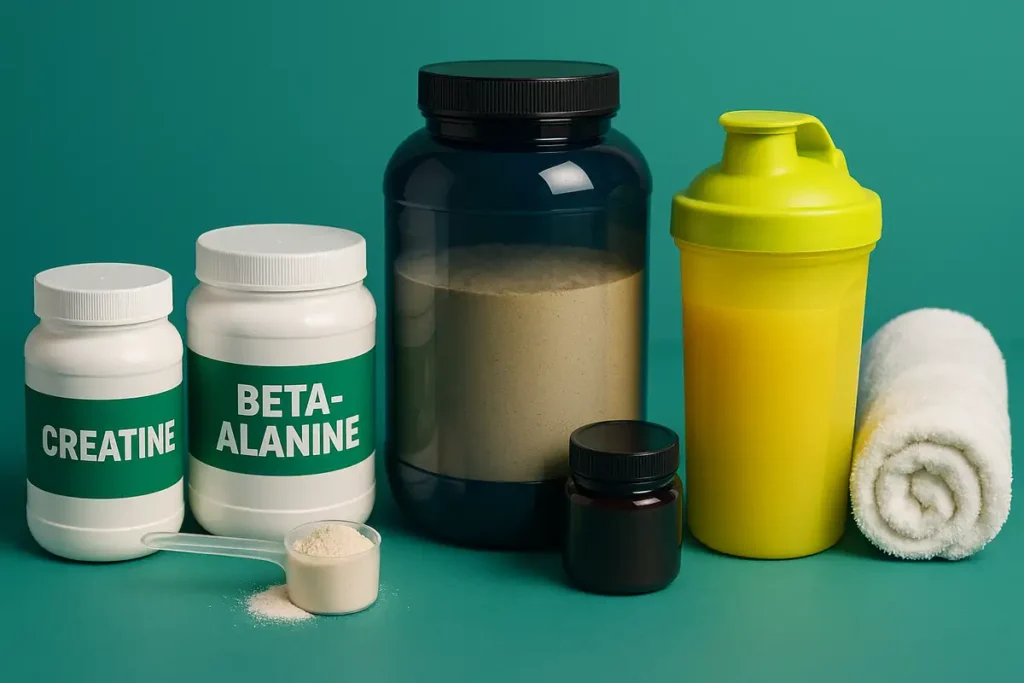
The right pre-workout meal doesn’t replace supplements — it enhances them. When you combine quality food with smart supplementation, the synergy leads to better results.
Here’s what I personally use before workouts:
- Creatine (5 g): For strength, power, and fullness.
- Beta-Alanine (2 g): For endurance and reduced fatigue.
- Caffeine (100–200 mg): For focus and motivation.
- Electrolytes or sodium: For hydration and muscle function.
When these supplements are taken with a carb-rich meal, your muscles absorb nutrients more efficiently. The glycogen boost enhances creatine uptake, while steady insulin levels help reduce caffeine crashes.
I’ve seen faster recovery, fuller muscles, and consistent performance in clients who pair food + supplements — versus those who rely solely on one or the other. To keep your recovery seamless, always plan your post-workout meals for muscle growth and balance them with proper rest day nutrition.
FAQ
Yes, absolutely. A light meal or snack improves nutrient absorption and prevents stomach discomfort, especially with high-caffeine formulas.
Stick with lean protein and small portions of fruit — like egg whites and a banana — to fuel the session without excess calories.


You can, but I don’t recommend it for strength or hypertrophy goals. Training fasted often leads to faster fatigue and reduced focus.
Generally, 30–60 minutes after your meal works best for absorption.
If you’re short on time, a whey shake and a banana work great. For variety, try easy recipes like whey protein pancakes.
Final Thoughts
Your pre-workout meal sets the tone for your entire session. It’s not about eating a lot — it’s about eating with purpose. As someone who’s coached hundreds of clients, I’ve seen how this single habit transforms not only performance but also motivation and recovery.
Remember — the perfect pre-workout meal fuels your muscles, supports your supplements, and keeps you consistent. Whether your goal is to burn fat, build muscle, or simply train smarter, it all starts with the meal that comes before your workout.
Fuel your body the right way, stay consistent, and you’ll notice the difference from your very next session — and even faster recovery when you choose the right pre-bed foods for nighttime recovery.
Leave a Reply