


You want the 5 best lactose-free creatines that deliver strength and muscle without the bloating, cramps, or digestive chaos.
Good news: Pure creatine monohydrate is naturally 100% lactose-free. It’s synthesized from amino acids—not milk, not dairy, not whey.
But here’s where 9 out of 10 lifters get burned.
They grab a “premium” flavored creatine blend or mass gainer off the shelf, not realizing it’s packed with hidden lactose, artificial fillers, or milk-based additives. Then they blame creatine itself for the stomach disaster.
Real talk: If you’re lactose-intolerant or just have a sensitive stomach, unflavored, single-ingredient creatine is your only safe bet.
I’ve coached dozens of athletes through this exact problem. Marco (competitive powerlifter) switched from a popular flavored blend to micronized monohydrate—his post-workout bloating vanished in 48 hours. Sophie (fitness model) thought she couldn’t take creatine at all until she discovered creatine HCl.
Your goal is simple: get the performance benefits without the pain.
Below, I’m cutting through the marketing hype to show you exactly which brands are 100% safe for lactose-intolerant athletes—plus which ones to avoid at all costs.
To understand exactly how creatine fuels your muscles, visit the Creatine Ultimate Guide.
Table of contents
- Does Creatine Have Lactose? Here’s the Truth
- Top 5 Dairy-Free Creatines for Sensitive Stomachs
- Why Some Creatine Products Contain Lactose
- Real Athletes, Real Results: Lactose-Free Creatine Success Stories
- Free Lactose-Free Creatine Checklist
- Tips to Avoid Hidden Lactose in Supplements
- How to Stack Creatine for Lactose-Intolerant Users
- FAQ
- Conclusion
Does Creatine Have Lactose? Here’s the Truth
No, creatine does not contain lactose. It is a dairy-free compound made from amino acids.
It’s synthesized from amino acids in a lab — not derived from milk or dairy in any way. This is backed by sources like PubChem and the National Institutes of Health.
So why do some people experience bloating?
The problem isn’t creatine itself — it’s the additives hiding in flavored products.
Many creatine blends, mass gainers, and pre-workouts include:
- Whey protein concentrate
- Milk solids
- Cream-based flavoring agents
These ingredients contain lactose and can trigger digestive distress if you’re sensitive.
Stick to unflavored, single-ingredient creatine (like micronized monohydrate or creatine HCL), and you’ll get all the performance benefits — without the stomach issues.
Top 5 Dairy-Free Creatines for Sensitive Stomachs

Choosing the right brand is just as important as choosing the right type. Here are some trusted options for lactose-intolerant athletes:
- Optimum Nutrition Micronized Creatine – pure, unflavored, and easy to mix.
- Thorne Creatine Monohydrate – third-party tested and pharmaceutical-grade.
- Kaged Creatine HCL – dissolves instantly, ideal for travel or sensitive stomachs.
- Naked Creatine – vegan-certified, single-ingredient supplement.
- Bulk Supplements Creatine Monohydrate – cost-effective and lab-tested for purity.
All of these brands focus on purity, transparency, and quality control — which is exactly what lactose-intolerant users need.
Why Some Creatine Products Contain Lactose
While pure creatine powder is free from lactose, many commercial supplement blends include ingredients like whey protein concentrate, milk solids, or cream-based flavoring agents.
These additions may make the product taste better but can trigger digestive distress in lactose-intolerant users.
📌 Lactose-free vs. Dairy-free: Creatine is both. It contains no milk derivatives whatsoever. However, some flavored creatine products may add dairy-based ingredients, so always read the label.
Even trace amounts can cause bloating or discomfort for those who are highly sensitive.
The best approach is to choose unflavored, single-ingredient powders that list only “creatine monohydrate” or “creatine HCL” on the label.
Real Athletes, Real Results: Lactose-Free Creatine Success Stories
Every week, I hear from athletes who struggled with bloating and stomach issues—only to discover the problem wasn’t creatine itself, but the hidden dairy in their supplements.
Once they switched to pure, lactose-free options, everything changed.
Here are a few real stories from our MuscleZeus community:
“I spent months wondering why I felt bloated after every workout. Turns out, it wasn’t the creatine — it was the flavored blend I was using. My coach suggested switching to unflavored micronized creatine monohydrate. Within a week, the bloating disappeared. My strength? Still going up.”
— Lucas, Spain
Lactose intolerant for 8 years
“I tried creatine years ago and gave up because my stomach couldn’t handle it. Then I discovered creatine HCL. It dissolves instantly in water, and I take just a small scoop. No bloating, no discomfort — just better recovery and more reps in the gym.”
— Emma, Canada
Sensitive stomach + lactose intolerance
“Being vegan, I was always careful about what supplements I put in my body. I wanted the performance benefits of creatine but worried about additives. Naked Creatine changed that. One ingredient, plant-based, and my recovery has never been better.”
— Sofia, Italy
Vegan athlete for 5 years
“I used to mix creatine with milk because I thought it needed dairy to work. Wrong! My friend suggested switching to coconut water. Now I mix my creatine with coconut water post-workout, and my digestion is smooth, my energy is high, and I actually look forward to my shake.”
— Jin, South Korea
Lactose intolerant since childhood
💬 Your Story Could Be Next
Have you struggled with bloating or digestive issues from supplements? Switching to pure, lactose-free creatine might be the simple fix you’ve been looking for.
Best Lactose-Free Creatine Types

Not all creatine is created equal — especially when you’re lactose-intolerant. Here are the safest and most effective forms to consider.
At a glance: Which creatine is right for you?
Type | Best For | Key Benefit |
|---|---|---|
Creatine Monohydrate | Most athletes | Most researched, proven results, affordable |
Micronized Creatine | Sensitive stomachs | Mixes better, digests smoother |
Creatine HCL | Extreme sensitivity | High solubility, smaller doses, travel-friendly |
Creatine Magnesium Chelate | Absorption focus | Pairs creatine with magnesium for energy support |
Vegan-Certified Creatine | Plant-based athletes | 100% dairy-free, peace of mind |
Now let’s take a closer look at each option — starting with the most researched and trusted form on the market.
Creatine Monohydrate (Micronized and Pure)
The gold standard. Backed by decades of research, creatine monohydrate is the most studied and trusted form on the market.

According to a PubMed-indexed review in Nutrients, it:
- Enhances muscle strength
- Speeds up recovery
- Increases muscle fullness
- Restores power output after intense training
What makes micronized version special?
Its fine particle size mixes better and digests more smoothly than traditional monohydrate — a game-changer if you have a sensitive stomach.
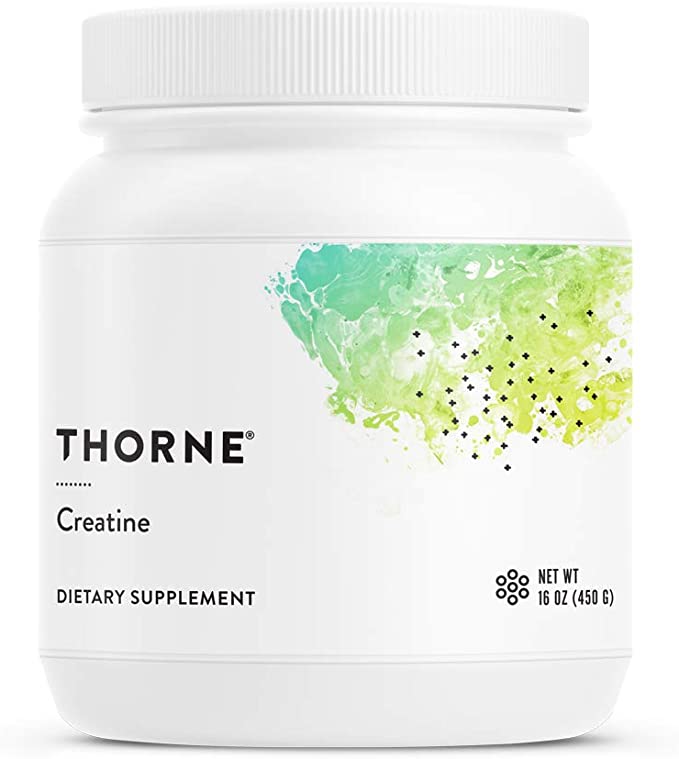
In my experience, Thorne Creatine Monohydrate is one of the cleanest options available. No added sugars, no flavors, no lactose — just pure, effective creatine.
💡 Deep dive: Want to understand exactly how creatine fuels your muscles? Check out Creatine vs Phosphocreatine Differences. It explains how creatine acts as your body’s energy buffer, keeping ATP levels high for explosive power.
Creatine HCL
Best for extreme sensitivity.

Creatine Hydrochloride (HCL) is another excellent lactose-free choice, particularly if you’re prone to bloating or digestive issues.
Why it works:
- High solubility — dissolves easily in water
- Reduces chance of stomach discomfort
- Smaller serving sizes — great for travel
Research from the Journal of the International Society of Sports Nutrition confirms that HCL dissolves better than monohydrate, earning its reputation as a more “stomach-friendly” alternative.
Real results: When my client Emma switched to creatine HCL, her recovery stayed strong — but her digestion became noticeably better.
💡 Even on rest days: Creatine still works. Learn how in Creatine During Deload Weeks. Maintaining saturation keeps your muscles primed for your next heavy phase, even when training lighter.
Creatine Magnesium Chelate and Vegan-Certified Options
Two specialized choices for unique needs.
Creatine Magnesium Chelate pairs creatine with magnesium to potentially enhance:
- Absorption
- Energy metabolism
- Overall tolerance
It’s less common but worth exploring if you’ve struggled with digestion on other forms.
Vegan-certified creatine provides peace of mind for plant-based athletes.
My client Sofia from Italy, who follows a vegan diet, uses Naked Creatine daily. Her recovery, endurance, and gym performance remain top-tier — proof that dairy-free supplements deliver results.
💡 Stacking tip: Creatine plays well with others. Explore how it synergizes with:
These pairings amplify endurance, energy, and muscle pumps — without adding lactose-based ingredients.
Free Lactose-Free Creatine Checklist
Never guess if your creatine is safe again. Download our one-page checklist and keep it on your phone for quick reference at the store.
*Includes: 5 red-flag ingredients to avoid + 3 trusted brand features + quick label-reading guide.
Tips to Avoid Hidden Lactose in Supplements
Even products that claim to be “clean” can sometimes include trace amounts of dairy. Follow these tips to stay safe:
- Choose unflavored, micronized, or single-ingredient creatine powders.
- Always check labels for milk derivatives or “may contain dairy” warnings.
- Avoid gainers or pre-workouts that list whey, casein, or milk powder.
- Stick to brands that share third-party testing results and manufacturing certifications.
Many athletes mistakenly assume their bloating comes from creatine itself — when, in reality, it’s often the flavoring mix or milk-based sweeteners causing it.
How to Stack Creatine for Lactose-Intolerant Users

You don’t need milk to make creatine work. In fact, most of my lactose-intolerant athletes see better absorption using water, coconut water, or plant-based milks like almond, oat, or rice.
For example, Jin from South Korea blends his creatine with rice milk and a banana — a combination that adds carbs for glycogen support and keeps digestion smooth. This also helps drive creatine into the muscle more efficiently.
Taking creatine after meals can further reduce any stomach discomfort. I’ve personally noticed that this timing, combined with good hydration, eliminates bloating completely.
If your goal also includes fat loss, don’t miss Creatine Boosts Metabolism, where you’ll learn how creatine subtly supports energy expenditure and lean mass maintenance.
FAQ
No. Pure creatine contains no lactose. It’s made from amino acids, not dairy.
Yes. Pure creatine monohydrate is completely lactose-free. Only flavored versions may add milk-based ingredients.
No. Creatine itself contains no dairy. But always check the label if you buy flavored blends or mass gainers.
Absolutely. In fact, pure creatine is one of the safest supplements for lactose-intolerant athletes.
Micronized creatine monohydrate and creatine HCL are both excellent lactose-free options. They’re easy to digest and well-researched.
Pure creatine shouldn’t cause bloating. If you feel bloated, check if your creatine contains added milk ingredients or flavorings.
Yes. Water works perfectly. Many lactose-intolerant athletes actually prefer water or plant-based milk for better digestion.
Yes. Unflavored creatine is usually pure and free from additives, making it the safest choice.
Avoid products with “whey,” “casein,” “milk solids,” or “cream” on the label. Stick to single-ingredient powders.
Yes. Pea, rice, or soy protein blends work great with creatine for a completely dairy-free recovery shake.
Most people notice improved strength and muscle fullness within 2–3 weeks of daily use.
Many find creatine HCL easier to digest because it dissolves faster and requires smaller doses. But micronized monohydrate also works well.
No. Creatine absorbs perfectly with water. Milk isn’t needed for effectiveness.
Yes. Pure creatine is synthetic and suitable for vegans. Just choose unflavored or vegan-certified brands.
Conclusion
Being lactose-intolerant doesn’t mean giving up creatine. The key is choosing pure, unflavored, or vegan-certified products and understanding what’s really inside your supplement.
Supported by scientific evidence on creatine’s benefits, you can confidently take creatine to enhance recovery, strength, and endurance — all without digestive discomfort.
To master every aspect of supplementation — from dosing and stacking to maximizing results — visit the Creatine Ultimate Guide. There, you’ll find deeper insights into timing, absorption, and how to make creatine work smarter for your body and lifestyle.

Leave a Reply