


Creatine is one of the best supplements for strength and performance, but many lifters still worry it might “dehydrate” them. The truth is the complete opposite—and understanding why can transform your results.
Creatine actually improves hydration inside your muscle cells, helping you lift heavier, recover faster, and train with more stability. When you support it with proper electrolytes, your pumps feel fuller and your muscles perform better under fatigue.
As a coach who has worked with hundreds of athletes, I’ve seen how hydration makes or breaks creatine’s results. Small mistakes—like low sodium or poor water timing—can lead to cramps, flat pumps, or unnecessary fatigue.
This guide explains exactly how creatine affects water balance, what electrolytes you need, and how to build a hydration routine that maximizes strength, endurance, and muscle fullness.
Table of contents
- Does Creatine Affect Hydration and Electrolyte Balance?
- How Creatine Actually Works With Water in the Body
- Electrolytes You Need More of When Using Creatine
- Signs Your Hydration & Electrolytes Are Not Balanced on Creatine
- Best Hydration Practices While Using Creatine
- Who Needs Extra Care With Hydration on Creatine
- Best Creatine Routine for Optimal Hydration
- Real-Life Stories: Creatine Improving Hydration & Performance
- The Science Behind Hydration and Creatine’s Performance Benefits
Does Creatine Affect Hydration and Electrolyte Balance?
As a coach who has used creatine for years—and watched countless clients start their first cycle—the truth is simple: creatine doesn’t dehydrate you.
In fact, it improves hydration inside your muscle cells. This effect is clearly shown in a peer-reviewed analysis of creatine misconceptions, which explains that creatine is an osmotically active compound that increases intracellular water rather than reducing it.
This point often surprises beginners. Many people still believe the old myth that creatine “dries you out,” but research and real-world coaching experience prove the opposite: creatine draws water into your muscle cells where hydration matters most for strength, power, and recovery.

Anyone new to supplementation can also review my beginner muscle-building guide to understand how hydration fits into early progress.
Any dryness or mild cramping usually comes from electrolyte imbalance—not dehydration. Once hydration and electrolytes are dialed in, creatine feels incredibly smooth, stable, and predictable.
I’ve experienced this myself. During heavy leg days early in my lifting years, I used to feel my mouth drying out despite drinking plenty of water.
The moment I increased my sodium and potassium intake, that feeling disappeared and my strength noticeably improved.
How Creatine Actually Works With Water in the Body
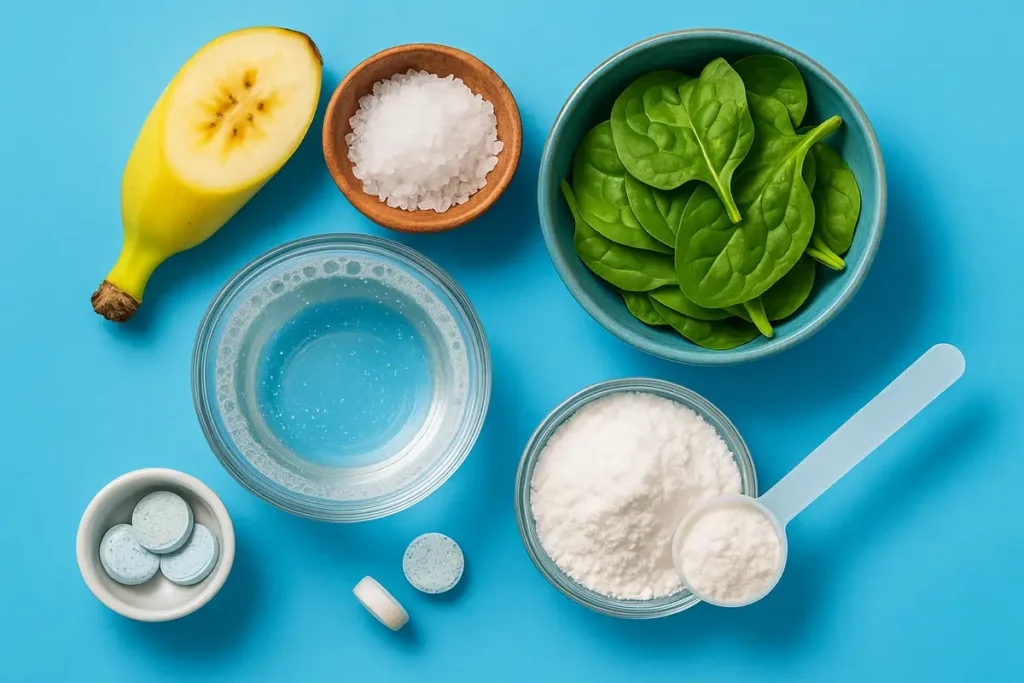
Creatine increases the water inside your muscle cells by pulling fluid into the cell through osmotic pressure. This intracellular hydration improves muscle fullness, enhances contractions, and delays fatigue.
This is also why many athletes combine creatine with supporting strategies like the creatine & beta-alanine endurance stack to maximize performance.
To understand it simply: creatine makes the cell “thirsty,” causing it to draw water inward. This increases the cell’s volume, which directly improves force production at the muscular level.
That’s why pumps feel fuller and why high-volume training feels smoother when creatine is optimized.
When your muscles stay hydrated at the cellular level, your body regulates temperature better and recovers faster between sets. Many clients feel this within a week.
Lucas Romero messaged me saying his chest felt “inflated” after push day—that’s the intracellular water shift in action, not the bloating people fear.
Electrolytes You Need More of When Using Creatine
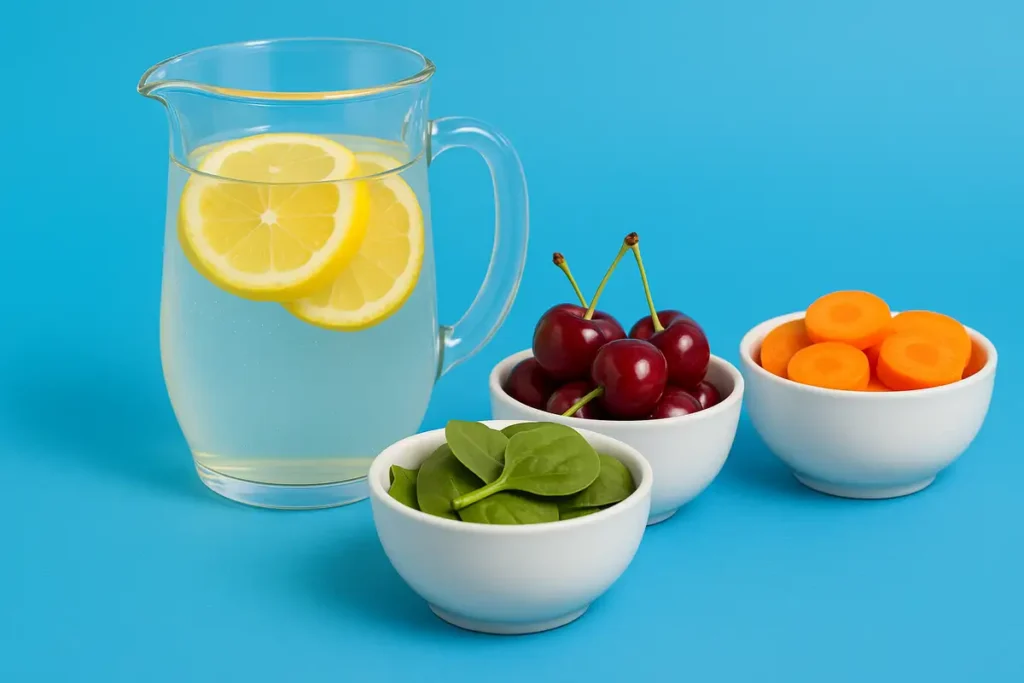
Because creatine pulls more water into your muscle cells, electrolytes become more important to keep everything balanced. Creatine uptake also depends on sodium, which helps transport it into the muscle.
This isn’t just theory—a controlled study on creatine combined with electrolytes showed that sodium and chloride significantly enhanced creatine uptake and improved performance.
Sodium
Supports creatine transport and replaces what you lose through sweat. Low sodium = weak creatine absorption and shaky contractions.

Potassium
Balances intracellular water and supports proper muscle contractions. When potassium is low, you feel “flat,” not full.
Magnesium
A key player in ATP production and preventing muscle tightness or cramps. Magnesium deficiency is one of the silent causes of nighttime cramping.
Personally, I always pair my creatine with a salty meal or an electrolyte mix containing magnesium. On hotter days, I intentionally add potassium to keep my hydration balanced and my performance steady.
Signs Your Hydration & Electrolytes Are Not Balanced on Creatine
Poor hydration—not creatine—leads to issues like:
- Dry mouth
- Muscle cramps
- Early fatigue
- Light-headedness
- Dizziness during hot or long sessions
These symptoms are common in people who sweat heavily but don’t replace electrolytes. For example, Lucas Romero struggled with quad cramps during HIIT until we increased his sodium intake. The cramps disappeared instantly.
Another pattern I’ve noticed: clients who train fasted or avoid salt for “clean eating” often feel more fatigued on creatine because sodium is too low for proper creatine transport. After fixing their electrolyte intake, their pumps and strength return immediately.
Best Hydration Practices While Using Creatine
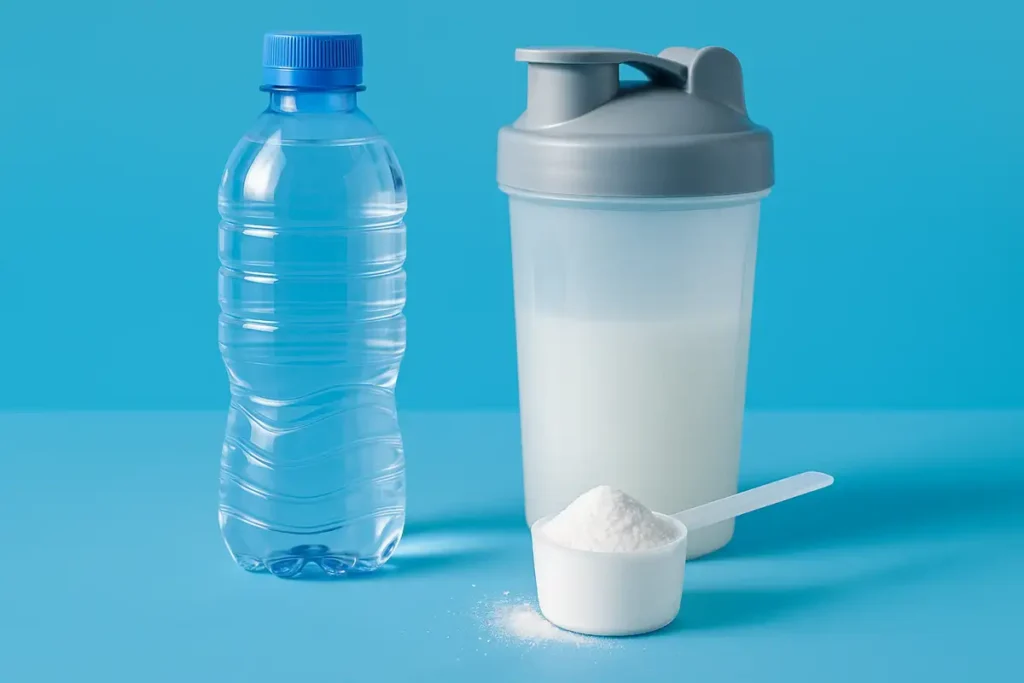
If you take creatine consistently, your hydration strategy should support it:
- Drink 300–500 ml extra water daily
- Add a bit more salt if you sweat heavily
- Use electrolytes during intense training blocks
- Pair creatine with a meal for smoother absorption
- Boost potassium on hot days with foods like bananas or potatoes
Some athletes also wonder whether the temperature of the liquid matters when mixing creatine. I’ve already covered this in detail in my guide on creatine with hot vs cold water. When I combine creatine with electrolytes—especially before leg days—I feel more stable, powerful, and less fatigued.
On long or high-sweat training days, I’ve also seen athletes benefit from splitting water intake throughout the day instead of drinking a lot at once. Balanced hydration ensures steady electrolyte levels, which helps creatine work more effectively.
Who Needs Extra Care With Hydration on Creatine
Some people benefit more from intentional hydration and electrolytes:
- Heavy sweaters
- Women with naturally lower sodium intake
- Beginners starting creatine
- Outdoor athletes
- People training in humid or hot gyms
Mia Fernández used to feel dizzy halfway through leg day. Her sodium intake was way too low. After adding just 1–2 grams around her creatine dose, her strength shot up and her dizziness completely disappeared.
For athletes who train outdoors or push long conditioning sessions, electrolyte balance is even more important than the creatine dose itself. Hydration becomes the limiting factor—creatine just amplifies the signal.
Best Creatine Routine for Optimal Hydration

My most effective coaching protocol is simple:
- 3–5 g creatine monohydrate daily
- Take it with a salty meal or electrolyte drink
- Focus on consistency over timing
- Drink water throughout the day—not in one big chug
- Add potassium or magnesium on high-sweat days
If you want to understand dosing better or optimize your routine, my full creatine benefits & dosage guide breaks everything down with research and practical tips.
I’ve used monohydrate, micronized forms, and Creapure. They all work the same for hydration, though micronized mixes easier. What matters most is taking it daily and supporting it with proper electrolytes.
Real-Life Stories: Creatine Improving Hydration & Performance

Armin Petrov — Beat the Summer Drain
Armin trained outdoors and always hit a wall halfway through sessions. Creatine plus an electrolyte drink helped him maintain energy and stay strong in the heat.
This also aligned well with what I teach about creatine’s effect on muscle fiber performance, especially during high-intensity phases.
Sara Kim — From Fear to Performance Boost
Sara feared “bloat,” but once she paired creatine with proper hydration, her strength improved, recovery accelerated, and she felt fuller—not puffier. Her pumps looked denser instead of watery, and she felt more stable during squats and presses.
My Own Turning Point
Once I fixed my electrolyte balance, the dry-mouth sensation during heavy leg days disappeared entirely. My strength, pumps, and recovery all improved noticeably.
The difference was so obvious that I now teach every beginner to manage electrolytes from day one.
The Science Behind Hydration and Creatine’s Performance Benefits
Creatine increases intracellular water, which is directly linked to improved muscle function, strength, and recovery. This cellular hydration effect is supported by a 2024 clinical study showing increases in intracellular water with creatine supplementation, underscoring the importance of fluid balance for optimal results.
Even though the study focuses on clinical populations, the hydration effects are highly relevant to athletes. Better intracellular water means better muscle performance—and electrolytes help sustain that balance.
For readers who want to explore nutrition alongside creatine, my natural fat-loss supplement guide is also a helpful companion. And if you’re interested in caloric strategies or gaining size, check out how mass gainers compare in my article on mass gainer with vs without creatine.
Leave a Reply