
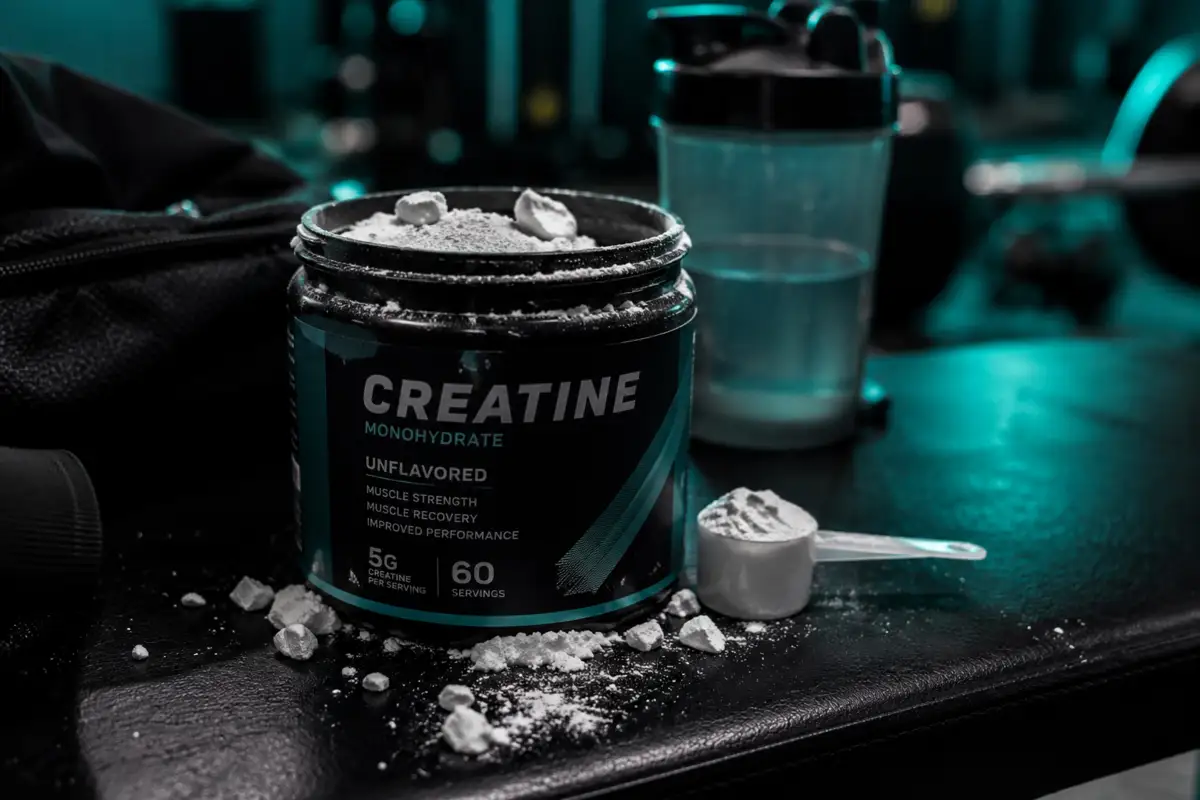

I’m Hossein Mardali, a pro fitness and nutrition coach. I’ve fielded every supplement question you can imagine, but one panic-filled message I get constantly goes something like this:
Coach, my creatine turned into a solid brick. Do I throw it away?
If you’ve asked that question, take a breath. You’re about to learn why that clumpy powder is probably perfectly fine—and why tossing it might just mean throwing your money in the trash.
Table of contents
- The Quick Answer: Yes, Clumpy Creatine Is Usually Still Good
- Why Does Creatine Get Clumpy? (The Science, Briefly)
- How to Test If Your Clumpy Creatine Has Gone Bad
- How to Fix Clumpy Creatine (Practical Hacks)
- When to Absolutely Throw It Away (Red Flags)
- Real-World Experiences from a Pro Coach
- How I Store My Creatine to Prevent Clumping
- How Creatine Fits Into Your Bigger Supplement Picture
- FAQs
The Quick Answer: Yes, Clumpy Creatine Is Usually Still Good
Here’s the bottom line right up front: clumping almost always signals a moisture problem, not a spoilage problem.
Creatine monohydrate, the most researched form on the planet, is an incredibly stable molecule. A little humidity makes the powder stick together, but it doesn’t destroy the compound or turn it toxic.
As long as you don’t see mold, detect a rancid smell, or taste something seriously off, your creatine retains its full potency.
I’ve personally broken chunks off rock-hard tubs, crushed them, and drank them countless times. Never once did I get an upset stomach, and my gym performance never dipped. The only real difference? It takes a bit more effort to dissolve.
⚡ Still guessing your creatine timing?
Most people waste up to 40% by taking it at the wrong time or with the wrong foods.
Fix My Creatine Timing Pay What You WantWhy Does Creatine Get Clumpy? (The Science, Briefly)
You need to understand one simple word: hygroscopic. Creatine pulls moisture right out of the air.
Even a tiny amount of humidity sneaking into the tub causes the fine particles to cling together. This is a physical change, like salt clumping in a shaker, not a chemical breakdown.
The creatine molecules themselves remain intact and ready to fuel your ATP production during that next heavy set. Your muscles won’t know the difference between a perfectly fluffy scoop and one you crushed from a lump.
How to Test If Your Clumpy Creatine Has Gone Bad
You are the best judge. Trust your senses before you trust your anxiety. Here’s exactly what I teach my clients to check:
- The Smell Test: Pure creatine is virtually odorless. Get your nose right in there. A sour, funky, or mildewy odor means bacteria have moved in. Discard it immediately.
- The Visual Test: Look closely at the lumps. Grey fuzz, greenish patches, or black specks are mold. Do not gamble with this. Toss the entire tub.
- The Taste Test: You know what plain creatine tastes like—slightly bitter, chalky, but neutral. Extreme bitterness or a sour tang signals contamination. Spit it out and bin the product.
- The Expiration Date: An unopened tub years past its date is usually still good. An opened tub that sat exposed to moisture for months demands more caution. Use the tests above as your final verdict.
You just read everything about creatine. Now let’s make it work for YOUR body.
I’ll design your personalized supplement protocol — exact timing, dosage, and stacking for your specific goal. No templates. No bots. A real coach who reads your answers.
Pay what you want after you receive it. No risk. No pressure.
How to Fix Clumpy Creatine (Practical Hacks)
Don’t let a few lumps derail your supplement routine. I’ve walked dozens of clients through these dead-simple fixes. They work.
- The Shake Method: Dump the hard lumps into a completely dry shaker bottle with a blender ball or mixing grid. Shake vigorously for 30 seconds. The ball pulverizes the chunks back into powder. This is my go-to move.
- The Blend: For stubborn bricks, toss the chunks into a dry blender. Pulse a few times until it’s fine again. Use the powder immediately—don’t let it sit out and re-clump.
- Crush and Dissolve: No gadgets? No problem. Place lumps in a dry bowl, crush them with the back of a sturdy spoon, then mix the resulting powder straight into your shake. Warm water helps dissolve creatine faster than cold, so add your crushed powder to a slightly warmed liquid for a smoother drink.
When to Absolutely Throw It Away (Red Flags)
I’ve only trashed one tub of creatine in my entire career. I left it open on a bathroom counter during a brutally humid summer week. I came back to a grey, damp paste dotted with greenish specks and a stench that hit me like a wall. That went straight into the bin—no second thoughts.
Here’s your non-negotiable checklist for disposal:
Red Flag | What It Means | Action |
|---|---|---|
Visible Mold | Fuzzy spots of any color (green, grey, black) | Throw away immediately, do not scoop around it |
Rancid or Sour Odor | Persistent bad smell even after breaking lumps | Discard the entire tub |
Wet Scoop Contamination | Repeatedly introduced moisture over weeks | Toss it if smell or visual tests fail |
Real-World Experiences from a Pro Coach
I live in a humid region, so I’ve opened factory-sealed tubs that looked like solid white bricks. I crushed them and used every last gram. No performance drop, no stomach issues.
A client named Marcus from Germany once sent me a panicked photo of his kilogram tub, ready to bin it. I walked him through the crush-and-dissolve method. Three weeks later, he pulled a new deadlift personal record and still jokes about the “concrete creatine” that fueled it.
The biggest problem clumping creates isn’t chemical—it’s psychological. Elena, a client from Spain, silently quit taking creatine for two weeks because her powder hardened and she assumed it had spoiled. She lost valuable saturation time simply because nobody had educated her.
Now, during every client onboarding, I proactively say this: “If your creatine clumps, it’s not dead. Crush it and carry on.” That single sentence saves consistency.
It’s the kind of practical insight I cover when teaching clients how to read a supplement label like a coach, because knowing what actually matters versus what’s just marketing noise keeps you consistent and saves you money.
How I Store My Creatine to Prevent Clumping
My system is simple and has served me flawlessly for over ten years. You can replicate it today without spending extra money.
- Keep the Desiccant Pack In: That little silica gel packet is your first line of defense. Never toss it out when you open a new tub.
- Use a Completely Dry Scoop: Any moisture on the scoop breeds problems. Don’t scoop over steaming water or a shaker with condensation.
- Close the Lid Instantly: Never leave the tub open while you drink your shake. Scoop, close, then mix.
- Store Smart: Kitchen cabinets work great. Avoid bathroom counters (steam) and areas near stoves or dishwashers (heat and humidity).
- Upgrade If Needed: If your tub’s lid feels flimsy and doesn’t seal tightly, transfer the powder into an airtight glass container with a silicone gasket. No fancy brand required—just a solid seal that locks humidity out.
If you’re an athlete who trains hard and sweats heavily, you might deal with clumping more often due to humidity exposure. I’ve found that choosing the best creatine for heavy sweaters can make a noticeable difference—certain formulations resist moisture better right out of the tub.
Regardless of which product you choose, proper storage remains your strongest defense against clumping.
How Creatine Fits Into Your Bigger Supplement Picture
Creatine is a cornerstone supplement. In fact, when I map out the natural lifter’s supplement hierarchy for new clients, creatine monohydrate sits right near the top—second only to protein powder in terms of proven efficacy and value.
If you’re building out your stack on a budget, you’ll be glad to know you can build a natural supplement stack for under $50 a month, and a quality creatine will almost always be the centerpiece.
For those ready to put a structured plan into action, my 4-week natural muscle gain supplement blueprint shows you exactly how to layer creatine with other evidence-based compounds for real, measurable results.
And when it comes to timing your creatine around workouts, the principles I outline in my guide to fasted vs. fed training and supplement timing apply perfectly—creatine is forgiving, but consistent daily intake matters more than the clock.
FAQs
Yes, if moisture alone caused the clumping and you detect no mold, foul odor, or strange taste. Trust your senses.
No. Creatine monohydrate is exceptionally stable. Moisture changes the texture, not the molecule’s ability to fuel your muscles.
I strongly advise against this. High heat can degrade creatine into creatinine, a useless byproduct your body simply excretes. Stick to physical crushing methods.
Leave the original desiccant pack inside, always use a dry scoop, seal the lid immediately, and store the tub in a cool, dry kitchen cabinet. Avoid humid bathrooms entirely.
Your creatine isn’t fragile. Treat it with a bit of common sense, and it will keep fueling your heaviest squats and most grueling sets. Don’t let a harmless lump trick you into wasting a perfectly effective supplement. Crush it, dissolve it, and get back to building the physique you’re working for.
Leave a Reply